art for humanity's sake
Criticism of this kind is a misuse of learning to muddle discussion for the sake of scoring points rather than to clarify it for a curious public. There is plenty of intelligent and reasonable criticism of Wilson’s work to be had from people who know the poems well — the Bryn Mawr Classical Review was positive but not uncritical, and I myself think her choices at Odyssey 15.365 were the wrong ones — and there is no need to give credence to people who consider their own desire for attention an adequate substitute for the knowledge and consideration that must attend real critical judgment.
This is well said. To almost everyone writing about art today I want to say: Dragging every scholar, every critic, every translator, every artist, every artwork before the bar of your political tribunal might, just conceivably, not be the only or even the best thing you can do when confronted by a work of art.
I don’t think we’ve ever needed genuine works of art — imaginative creations that press us to see the world in larger or at least different ways than our standard everyday media-navigation categories allow — more than we do now. But our current resources are few, because of the ways the major art-related organizations have lost any discernible sense of purpose. They are merely reactive to social-media pressure. Examples:
- This essay on the publishing world;
- And this essay on the publishing world, written from a very different perspective;
- This very long but very helpful video on what’s wrong with the movie industry;
- This deeply reflective essay on the depressing world of art criticism and the contemporary museum.
In light of these developments I’ve come to believe that the most important thing I can do here on this blog is to write about art as art — which is not to say that art lacks political purposes and implications. Often it is powerfully political. But no artwork worthy of our attention approaches politics the way that journalists and people on X do, as a matter of checking the right boxes to avoid exclusion from the Inner Ring. One thing good art always does is to remind us that our experience is dramatically larger than our quotidian political categories suggest. We are unfinalizable; we sprawl. The failure to recognize that is a terrible disease of the intellect.
I am finished — not altogether, but largely, I think — with political and cultural disputation. I want to write about works of art that transcend the box-checking, that thwart easy dismissals, that shake us up. And if the current art scene doesn’t offer any of that, then I can always continue to break bread with the dead.
Kevin Williamson, typically trenchant: “CLEAR has some fancy high-tech hoo-haw on the front end — biometric scanners and whatnot — but what it really offers is an officially sanctioned way to cut in line. […] But it wasn’t CLEAR that made air travel in the United States the ghastly mess it is — that was the TSA, the FAA, the local airport authorities, Congress, state legislatures, and a host of other malefactors, whose collective incompetence (and, at times, corruption) created the market for CLEAR.”
David Byrne: “I think the phrase that was used with My Life in the Bush of Ghosts was ‘cultural imperialism.’ I thought, That’s not quite right. I remember the first time I went to Brazil, and there was one little station that played sambas, and everything else was playing American pop tunes. I thought, That’s cultural imperialism: when the multinational record companies find it easier to promote the same artists everywhere rather than nurture local talent.”
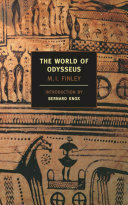
Finished reading: The World of Odysseus by M. I. Finley. what an extraordinary book. I am filled with regret that I didn’t read it decades ago, though some of its arguments shaped the works I have read. 📚
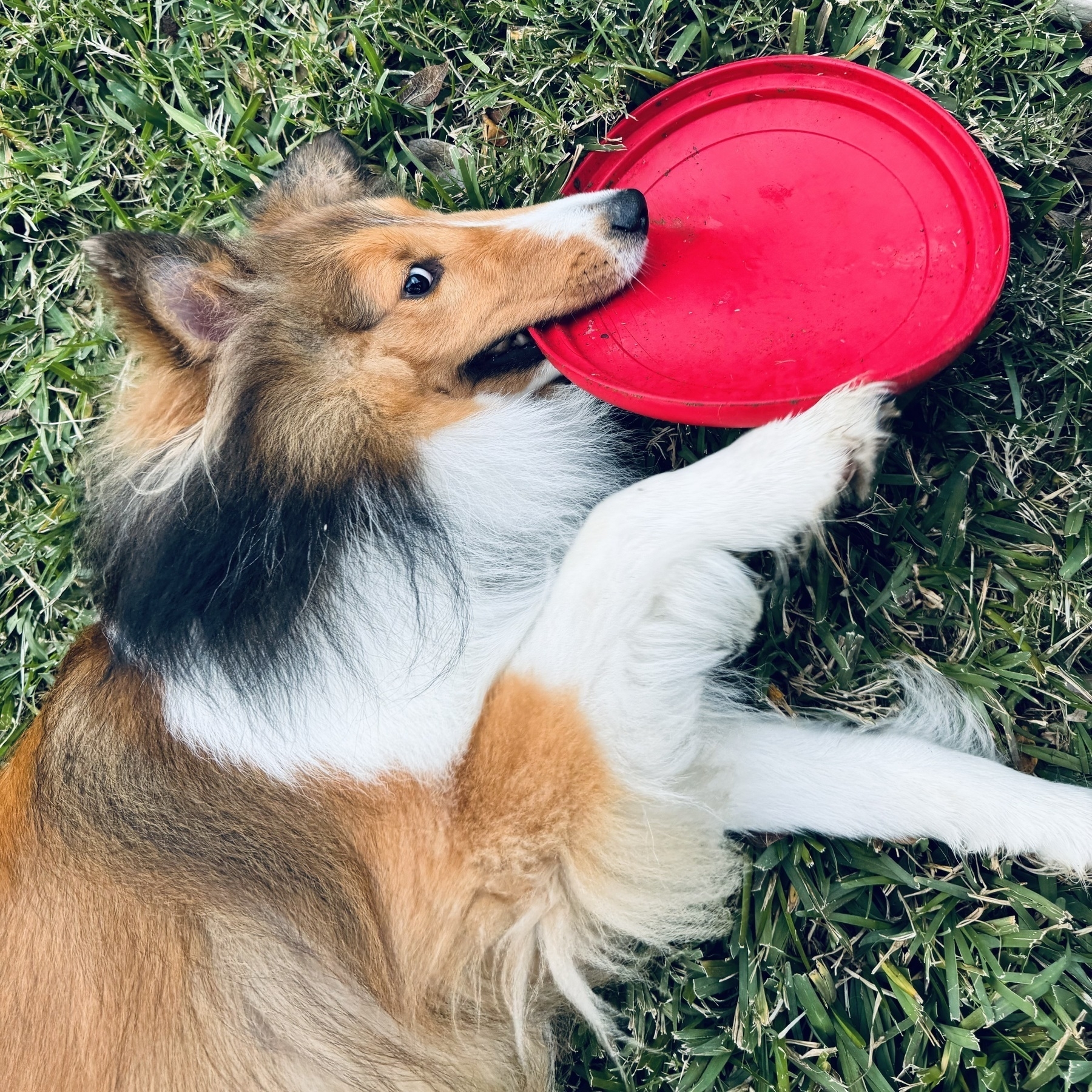
Nap time.
Simple snapshot of a totally ordinary sight.
Chris Beha: “I sometimes think that the modern world’s true cultural divide is not between believers and unbelievers but between those who think life is a puzzle that is capable of being solved and those who believe it’s a mystery that ought to be approached by way of silence and humility. I am a problem solver by disposition, but in my heart I am strongly on the side of the mysterians.”
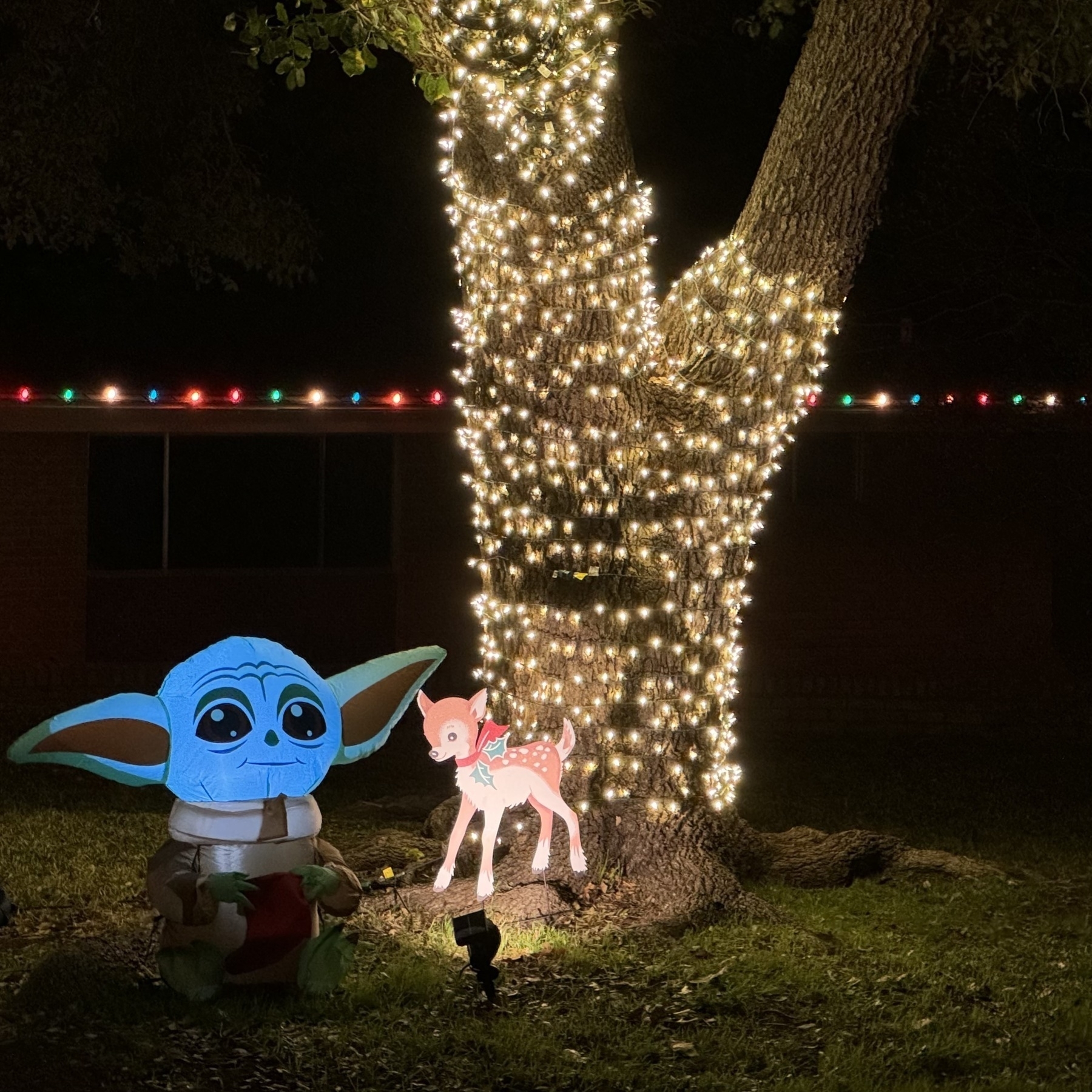
The Reason for the Season.
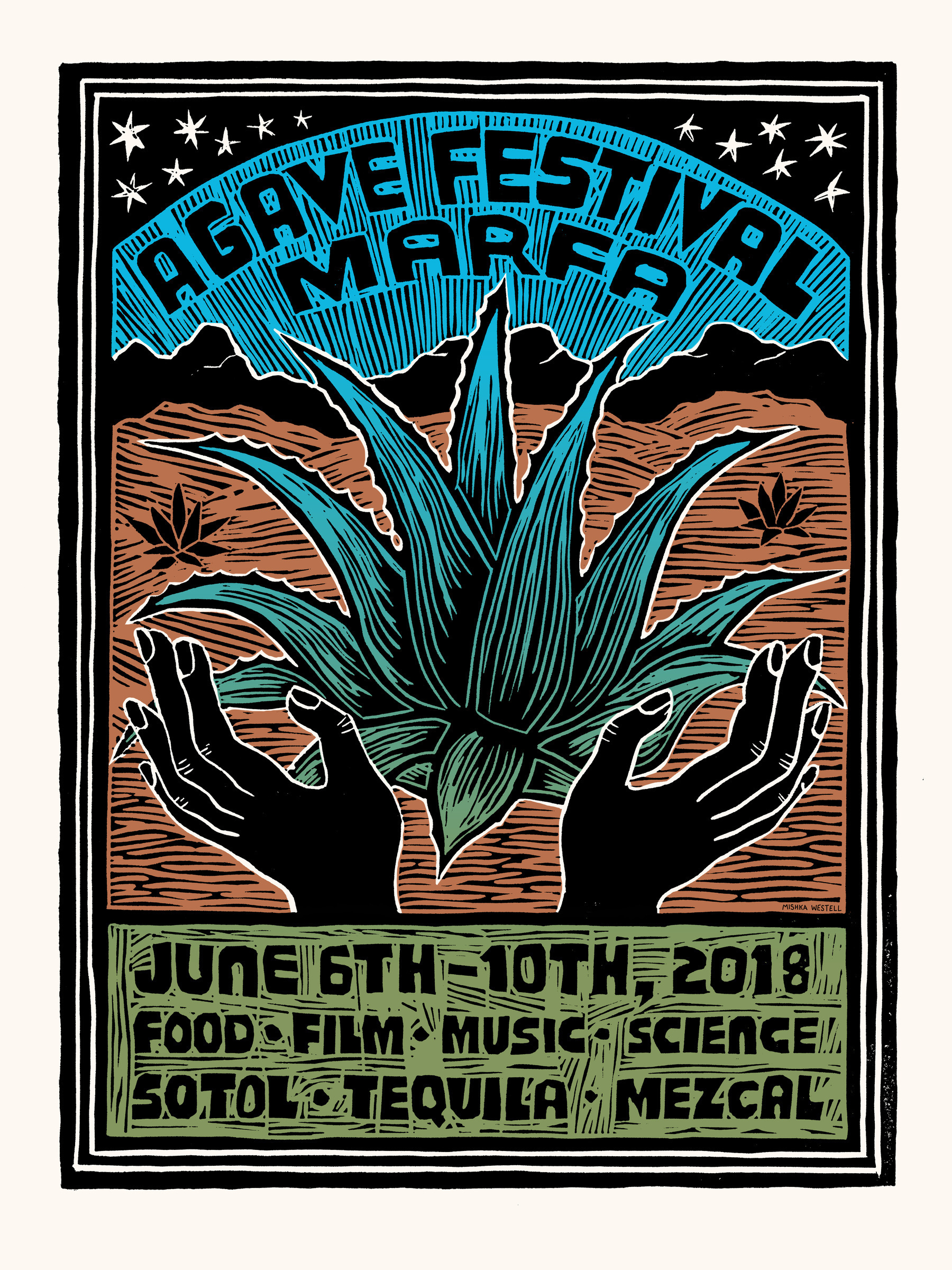
Just learned from my buddy Austin Kleon about Mishka Westell’s art.