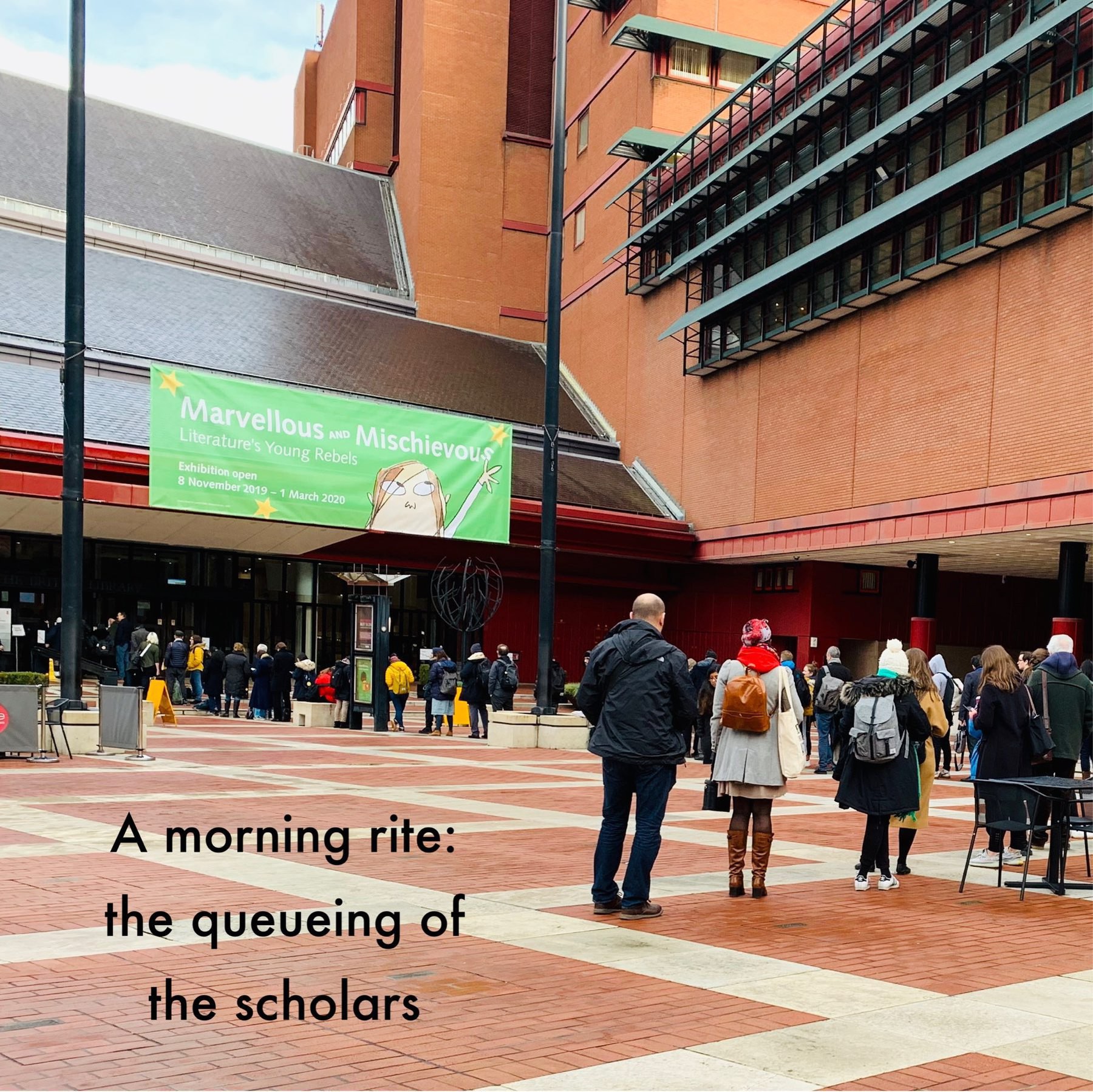
one man's view of Christmas
Christmas to me is the remnant of an evaporating culture to which I once belonged. I am not a Christian, yet I am attached to its culture, personally, nostalgically and sentimentally. It is not the only culture available, there are others, equally valid or invalid, both religious and secular. But, for me, as someone who grew up in an Anglican home, sang in the cathedral choir, and has an enduring fascination with the Christian scriptures, the Christian story, in all its quaintness and implausibility, holds great meaning. Christ continues to move through my imagination, a vaporous ghost beckoning from the shadows, and his story affects me deeply. Jesus is an absurdity that continues to rise eerily from my yearning for spiritual comfort, within a cosmos I cannot begin to understand….(If perchance you'd like a wider range of views of Christmas, please click on the "Christmas" tag at the bottom of this post.)Christ is a symbol of our imperfect and limited attempt at understanding eternity, and addresses the vulnerability of humanity itself. Perhaps we should not look at the Christian story as a symbol of our naivety or ignorance, but instead cherish it as our attempt to comprehend the incomprehensible.
So, Tim and Joshua, as Christianity retreats back into the churches and cathedrals, as all conspicuous notions of Christ fade from our culture, and Christmas becomes the sole province of a roly-poly man in a Coca-Cola red suit (whose days may also be numbered) I will visit a church this Christmas; I will kneel before the fading vestiges of an outmoded idea called spiritual transcendence and our beautiful and moving attempt to humanise the ecstatic cosmic drama, and I will pray.
Love, Nick
attention and sympathy
The Richard Brody review of Terrence Malick’s A Hidden Life is a reminder of something that’s quite pervasive in criticism, though rarely talked about: the way that a lack of sympathy with a work of art can lead to a lack of attention to it. For instance, Brody says — and he’s not the only critic to have said this – that there aren’t any doubts in the movie, but of course everyone except Franz doubts the wisdom of what he has done. His wife struggles with it, his mother blames his wife for having made him too religious, the people in the village condemn him … and he is not unaffected by these judgments. We don’t know just how affected he is until a moment near the end of the story, when he has the last of his encounters with the last of his questioners, the judge who will pass sentence on him (played with extraordinary power by Bruno Ganz, in his final film role). Franz intuits that this man is different than the others who have interrogated him. All the others have been asking him questions to try to push him in a particular direction, or to fulfill their assigned role, but this judge asks questions because he wants to know their answers. And Franz tells the judge plainly that he simply doesn’t know whether he’s doing the right thing. Even though this is one of the most powerful and affecting scenes in the entire film, Brody manages to miss it.
It’s not the only thing Brody misses. For instance, he says that the Nazis speak German and Franz and his wife Fani speak English. In fact that is incorrect. Most of the movie is in English — for obvious reasons, I trust — but German is used on varying occasions and for varying purposes. One of the most moving moments in the film comes when the imprisoned and beaten and almost despairing Franz prays the Lord’s Prayer – in German. His family also prays in German. In this story German is both the most public and the most private of languages, while English occupies the conversational middle. The strategy is quite complex, but Brody’s lack of sympathy and interest in film disables him from noticing it.
UPDATE: I keep seeing Brody’s claim recycled by other people — it’s kind of astonishing that a criticism of a film can become a demi-meme when it’s flatly false. So, for the record: What does the angry Nazi mayor of St. Radegund speak when he rails against Franz or immigrants or whatever else he rails against? English. What does the elegant pinstripe-suited interrogator of Franz speak? English. What does the judge speak when he asks Franz, “Do you judge me?” English. What does Fani speak when she prays the Lord’s Prayer with her children? German. What does Franz speak when he prays the Lord’s Prayer in his cell at Tegel? German. These are matters of fact, not interpretation. Again: the movie is mainly in English, for obvious reasons, but uses German very occasionally, and when German is used, both decent and nasty people use it.


FWIW
I want him out. I was happy to see him impeached and I would dance for joy if he were to be removed from office. But I think the task of Christianity Today is to inform and educate its readers about the theological and moral commitments that should govern Christian thinking about politics, not to endorse or decry specific acts of governance about which Christians, and the American electorate more generally, are deeply divided. A magazine like CT should be focused on helping people to “take every thought captive for Christ,” not telling them which side to take on this or any other partisan issue. Now there’s one less venue where Christians with political disagreements can come together in a common cause. That doesn’t feel like a win to me.
Taking a side, even the right side, isn’t always the best thing to do. There ought to be some magazines, and some institutions, and some people, focused instead on laying the groundwork for better days to come, and that requires inviting into the tent some people in your community whom you think are deeply misguided.
a sacrifice
Albert Camus once wrote that the attitude of the French intelligentsia towards the pieds noirs — the ethnic French in Algeria — was “You go ahead and die, that’s what we deserve.” That is now what French law is saying to France’s Jews — but even more bluntly.
on not owning my turf
When I bought this domain name I joked that the “.org” in this case stands for “organism,” because of course I’m not an organization. But that may not matter to the private equity firm that wants to buy the whole .org domain.
I have to confess: I didn’t know that this was possible. I thought the various domains were administered by the consortium that runs the whole Web — I didn’t know that entire top-order domains were for sale on the open market. I’ve spent a lot of time on this blog and elsewhere counseling the wisdom of owning your own turf, but this is a strong reminder to me that of course I don’t own my turf — I only have use of the domain name for as long as I am willing and able to pay whatever a private equity firm (should the sale go through) decides I ought to cough up. If they tell me that I can keep ayjay.org for $5000 a year, then this won’t be my turf any more.
It’s sobering. Similarly — and this I did know — if my hosting company, or any other hosting company I might use, decided that as a Christian I am an intolerable bigot who cannot be allowed to sully their good name, then I might still have temporary title to the domain name but would be unable to make any of my writings public.
I have written against the walled gardens of social media and in favor of tending the digital commons, but maybe “commons” was a bad metaphor. Maybe the open web is more like a public park that the city government might at any time sell to developers who plan to turn it into a high-rise. Absence of walls is not presence of public ownership.
I own my computer and the files on its hard drive. That may be all, in the digital world, I own.
trigger warning
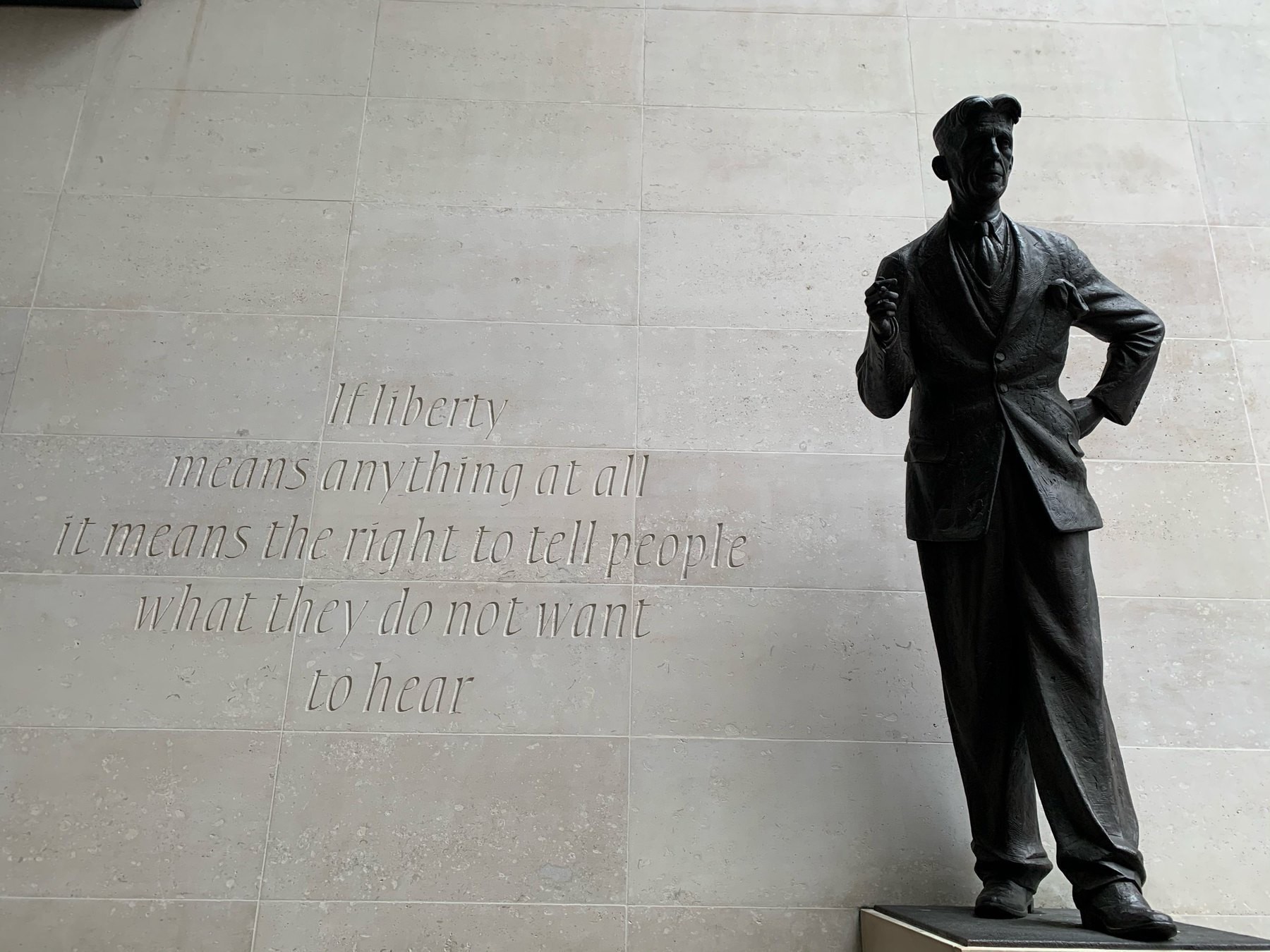
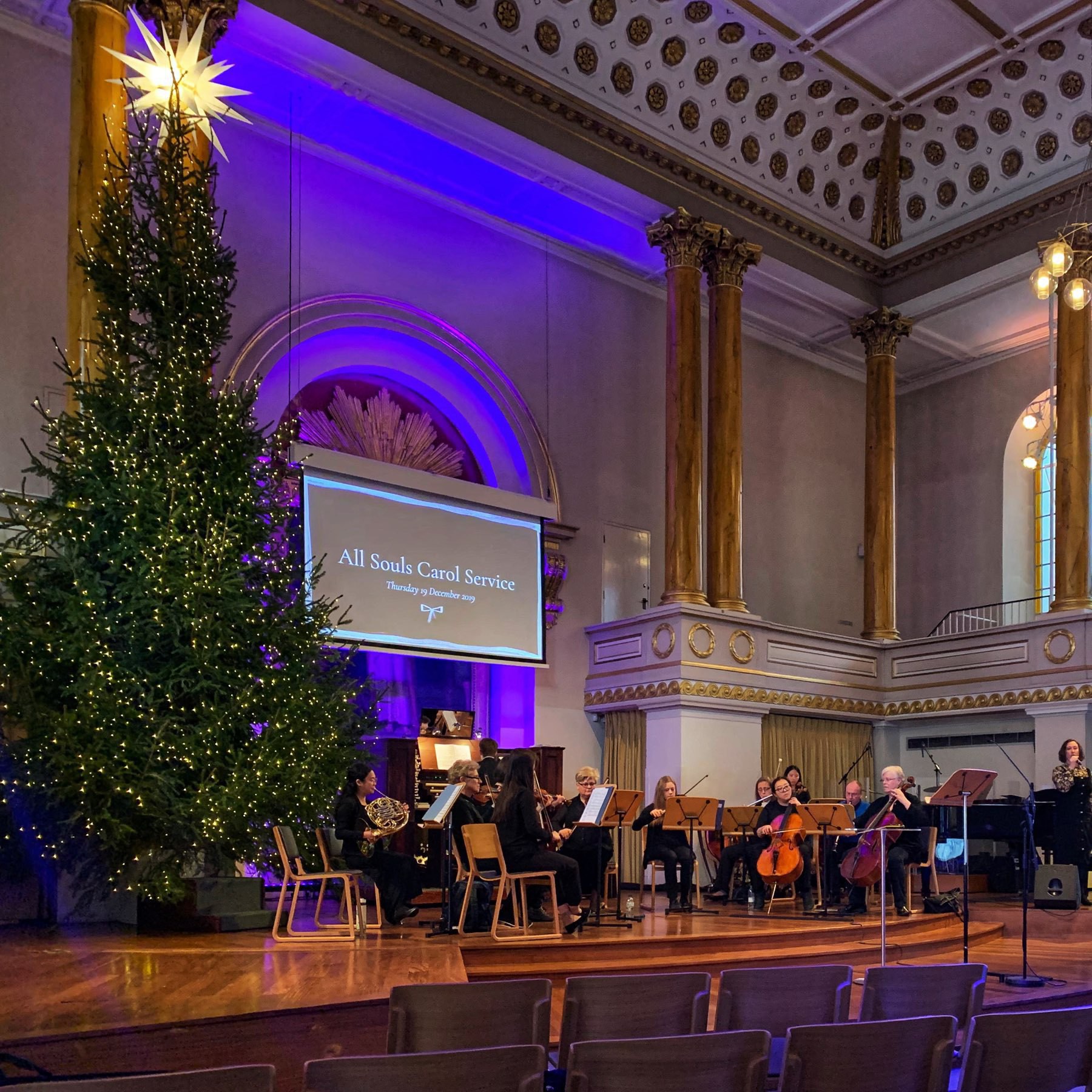
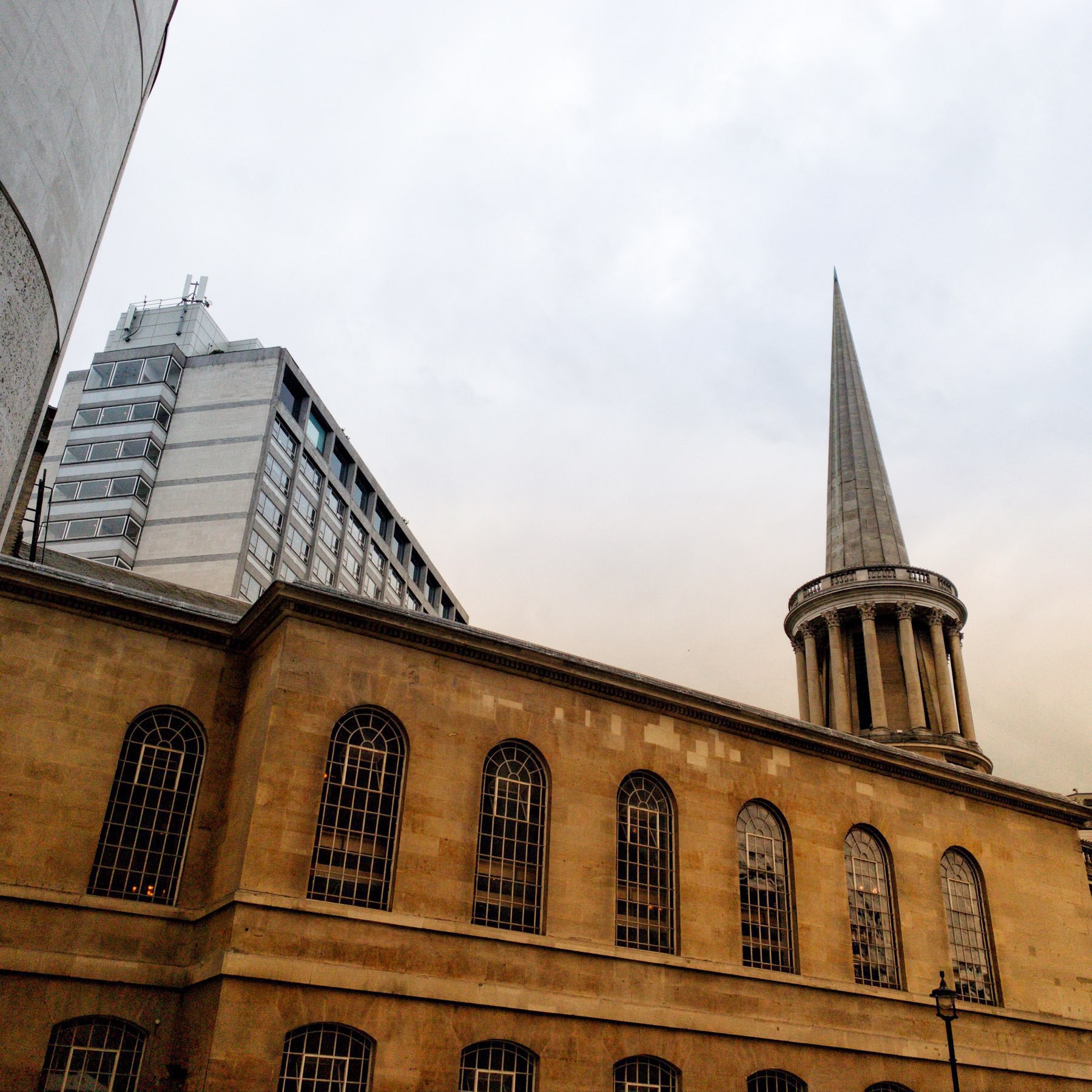

… is the name of my new band



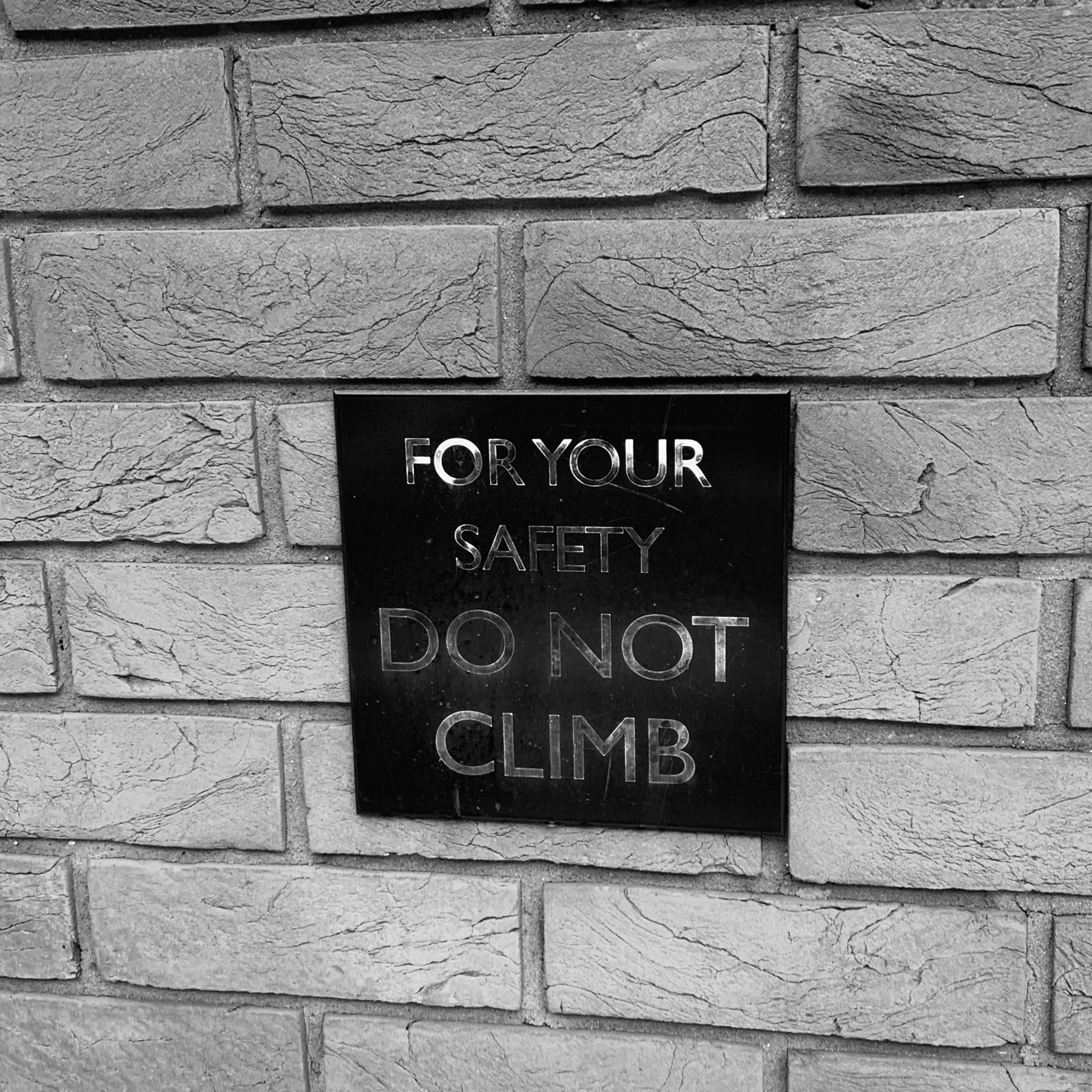
Putting my toe back in the water here … it’s the best imaginable version of social media, but I doubt whether I’m suited for social media even at its best….