
R.I.P. Robbie

I’ve written before about the waves of death that are coming for some of our cultural giants, but this is a big one. Robbie Robertson’s influence has always been vastly underrated, and the music he and his bandmates made at the end of the Sixties is some of the most lastingly wonderful of that era. I would be hard-pressed to name five rock records better than the Brown Album, which I’ll be listening to tonight. Only Garth Hudson remains from a group that really did deserve to be called The Band.

Every morning I wake up with a song in my head — a different song each day, and it could be anything I’ve ever heard, including songs I haven’t thought about in decades. This morning’s song was a fun one.
For those who are concerned — and I thank you! — Angus has undergone an adjustment of his reproductive capacities.
“Just a couple of days ago I was so happy!”
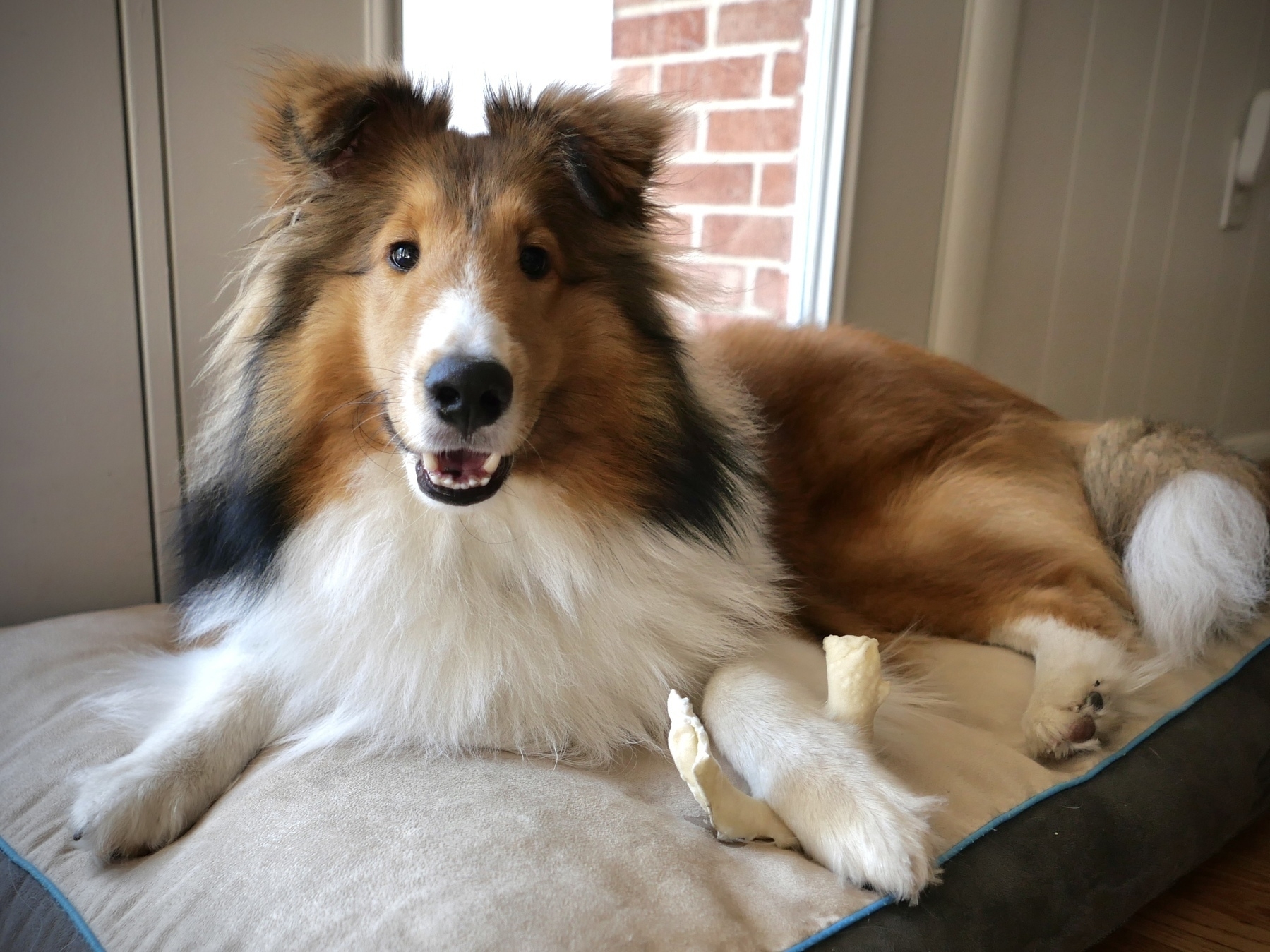
Worst day EVAR
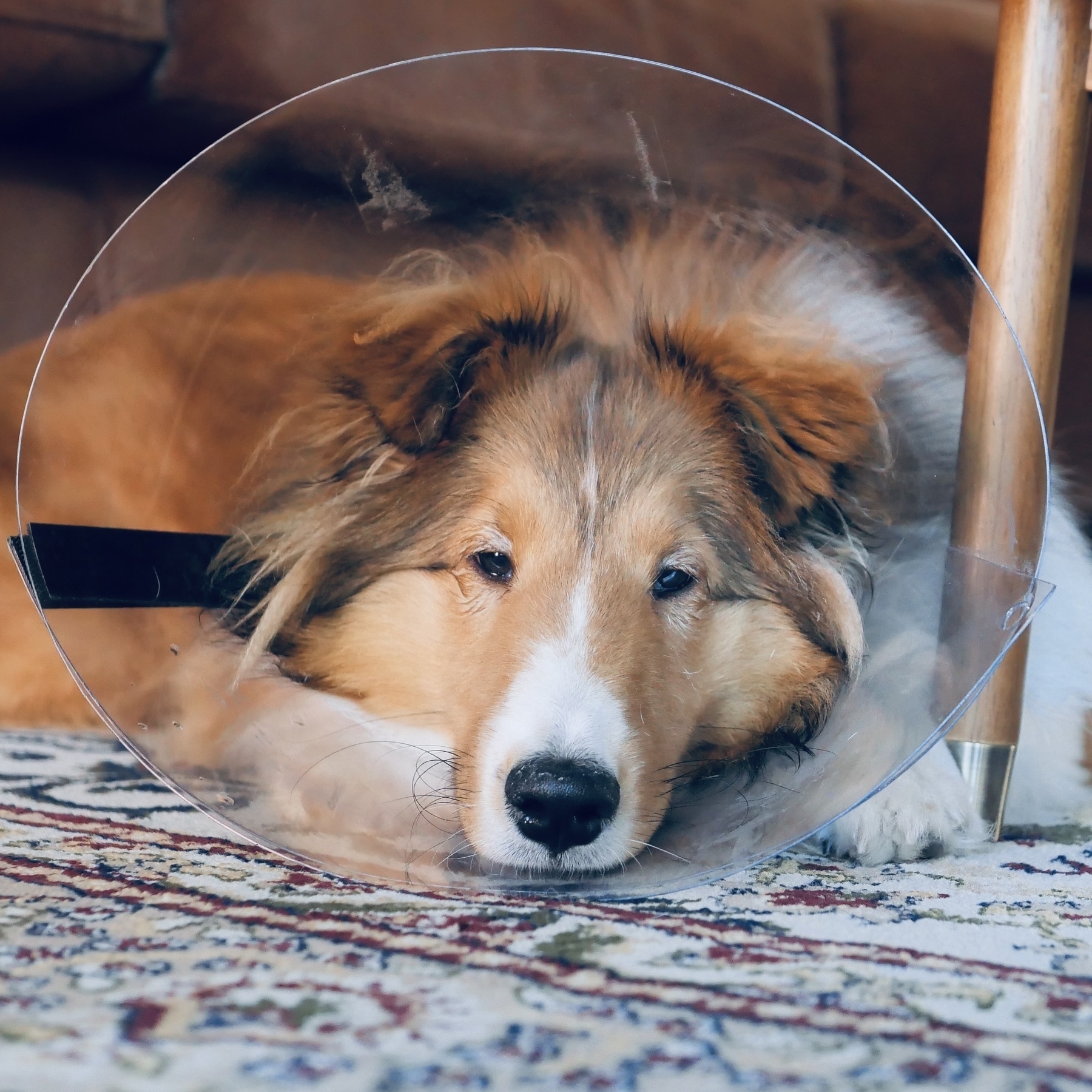

nurturing
Wendell Berry, from The Unsettling of America:
Whereas the exploiter asks of a piece of land only how much and how quickly it can be made to produce, the nurturer asks a question that is much more complex and difficult: What is its carrying capacity? (That is: How much can be taken from it without diminishing it? What can it produce dependably for an indefinite time?) The exploiter wishes to earn as much as possible by as little work as possible; the nurturer expects, certainly, to have a decent living from his work, but his characteristic wish is to work as well as possible. The competence of the exploiter is in organization; that of the nurturer is in order — a human order, that is, that accommodates itself both to other order and to mystery.What Berry has done both as a farmer and a writer is to practice this nurturing; and I have tried as both a writer and a teacher to do the same, within my rather different sphere of effective action.
Since I do not have a farm I am more of a hunter-gatherer — my practice of nurture is perhaps better described by Ursula K. LeGuin in her essay “The Carrier Bag Theory of Fiction”:
If it is a human thing to do to put something you want, because it’s useful, edible, or beautiful, into a bag, or a basket, or a bit of rolled bark or leaf, or a net woven of your own hair, or what have you, and then take it home with you, home being another, larger kind of pouch or bag, a container for people, and then later on you take it out and eat it or share it or store it up for winter in a solider container or put it in the medicine bundle or the shrine or the museum, the holy place, the area that contains what is sacred, and then next day you probably do much the same again — if to do that is human, if that's what it takes, then I am a human being after all.And for me the challenge has always been to become more cunning in my gathering, more scrupulously attentive to objects and ideas that others have discarded as worthless. To nurture the neglected, the forgotten.
The risk of attempting such a thing is that one will appear unserious and will accordingly begin to lose the professional and social advantages that slowly began accumulating throughout all those years of pretending to be an adult. I don’t mean to overdo the curious parallels between art and faith, but it does seem to me that to be willing to take this risk is somewhat analogous to the choice Saint Paul said one must make to become a “fool for Christ”. The sixteenth-century Muscovite saint known as “Basil Fool for Christ”, for whom the world’s most iconic onion-dome church is named, was also known as “Basil the Blessed”: it comes out to the same thing.
I want, I mean, to spend the rest of my life, consciously and willfully, as a fool, at least in those domains that matter most to me. Of course I can still “clean up real nice” whenever the circumstances require, but I now see those circumstances more or less in the same way I see filing taxes or updating my passwords — just part of the general tedium of maintaining one’s place in a world that pretends to be built around the interests and expectations of sober-minded grown-ups, but that in the end is a never-ending parade of delirious grotesques.
I have in effect undergone a double conversion, then, to both faith and art, which in the end may be only a single but two-sided conversion, to a mode of existence characteristic of children and fools.
Reading more poetry? That’s a great thing. Reading a book of poetry a day? That’s a 100% guarantee that you will get almost nothing from your reading. Better: Read one lyric poem a day, but read it five times.
Prologue to an Anti-Therapeutic, Anti-Affirmation Movement:
As a leftist, my core political assumption is that we are all responsible for each other’s material well-being, that we have a duty to build the kind of society where everyone’s basic needs are met, where everyone enjoys a certain degree of material comfort, and where our rights are respected equally regardless of race, religious, sexual and gender identity, ethnicity, or creed. That is the kind of mutual caring that I signed up for when I became politically conscious as a teenager. I never signed up for a vision of a society that helps everyone out there to constantly feel valid, mostly because society could never achieve such a thing. Nobody walks around feeling good about themselves all the time! Where on earth did people get the idea that human beings are meant to enjoy a permanent sense of mental security and social validity? That’s a totally unworkable and in fact quite cruel standard. If you want to be good to yourself, I suggest that you stop expecting society to be your therapist and go see licensed medical professionals in private to address the issues in your life that are appropriately treated that way. And if you want to be good to your society, I suggest you help to defeat the medicalization of everything, the casualization of the concept of trauma, the celebration of mental disorders, the assumption that everything that makes us unhappy is an injustice, the insistence that all conflict is abuse, and the infantilization of the human animal. That’s the best way to help.
One of Freddie’s best posts ever.