

Much talk in the past 24 hours about Luis Suarez’s deliberate handball against Ghana in the 2010 World Cup. At Brian Phillips’ much-missed Run of Play, I wrote about it when it happened. ⚽️
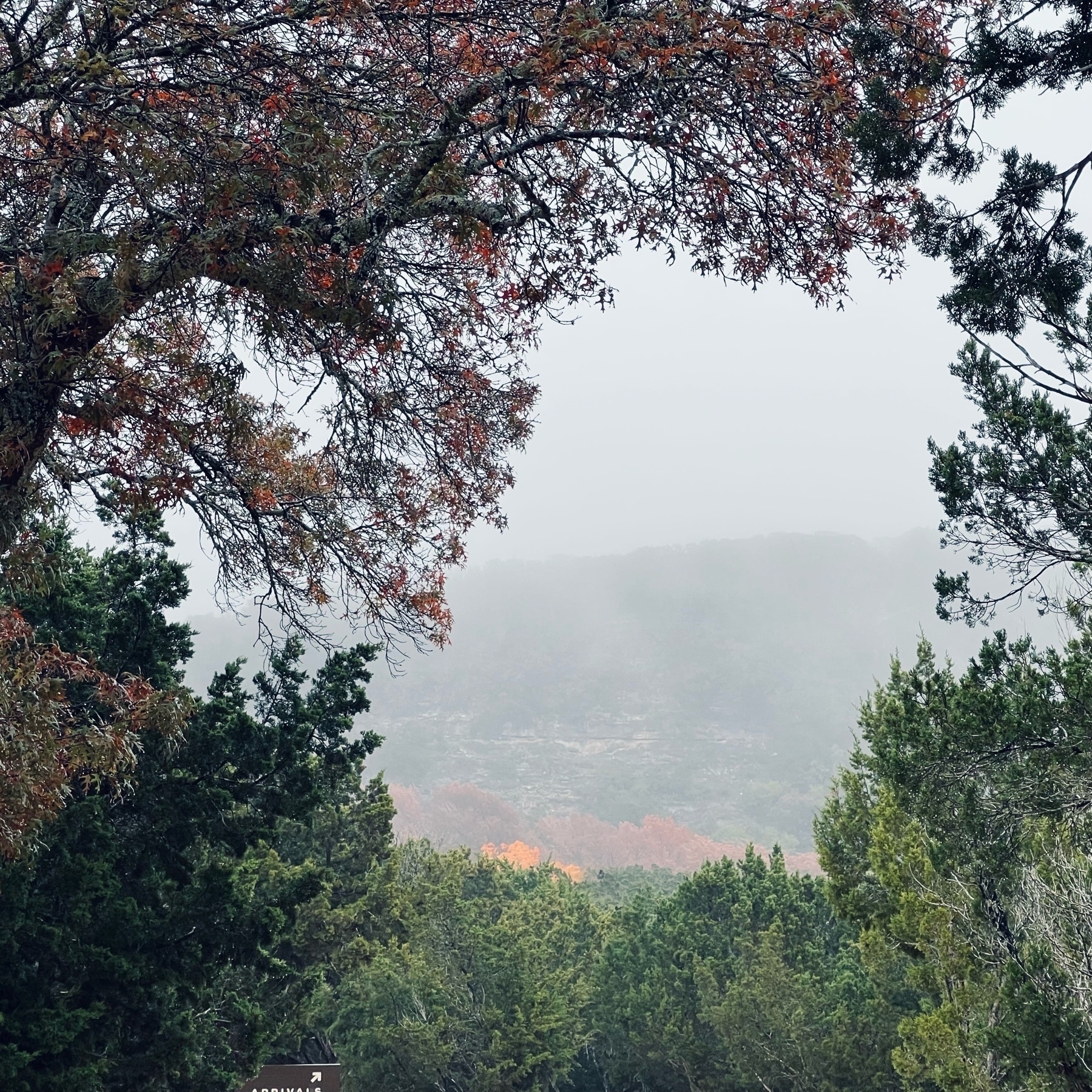
Foggy morning in the canyon.
A wonderful list of books for Christmas presents by my friend John Wilson, the most imaginatively omnivorous reader I know.
two quotations on slow reading
But there is power in reading slowly, something the Chinese-American author Yiyun Li tells her creative writing students at Princeton University. “They say, ‘I can read 100 pages an hour’,” she says. “But I say, ‘I don’t want you to read 100 pages an hour. I want you to read three pages an hour’.”Me, from The Pleasures of Reading in an Age of Distraction:That’s the speed Li is happy to read at, even if she is re-reading a familiar text. “People often say they devoured a book in one sitting. But I want to savour a book, which means I give myself just 10 pages a day of any book.” On an average day, Li … reads 10 different books, spending half an hour on each title.
At that pace it can take Li up to three weeks to finish a novel. “When you spend two to three weeks with a book, you live in that world,” she says. “I think reading slowly is such an important skill. Nobody has ever talked about it, or taught me that. I’m a very patient reader. Even if it’s a very compelling book. I don’t want to rush from the beginning to the end.”
Consider a story by one of the great weirdos of American literature, R. A. Lafferty (1914–2002). It’s called “Primary Education of the Camiroi,” and it concerns a PTA delegation from Dubuque who visit another planet to investigate an alien society’s educational methods. After one little boy crashes into a member of the delegation, knocking her down and breaking her glasses, and then immediately grinds new lenses for her and repairs the spectacles — a disconcerting moment for the Iowans — they interview a girl and ask her how fast she reads. She replies that she reads 120 words per minute. One of the Iowans proudly announces that she knows students of the same age in Dubuque who read five hundred words per minute. (As Stanislas Dehaene explains, that’s pretty close to our maximum speed.)“When I began disciplined reading, I was reading at a rate of four thousand words a minute,” the girl said. “They had quite a time correcting me of it. I had to take remedial reading, and my parents were ashamed of me. Now I’ve learned to read almost slow enough.”Slow enough, that is, to remember verbatim everything she has read. “We on Camiroi are only a little more intelligent than you on Earth,” one of the adults says. “We cannot afford to waste time on forgetting or reviewing, or pursuing anything of a shallowness that lends itself to scanning.”
I like my job
“These language models enable the automation of certain tasks that we’ve historically considered part of the creative process,” Olson told me. I couldn’t help but agree. Writing is less than half of my job; most of my work is reading and deciding what’s important enough for me to put in a paragraph. If I could train an AI to read as I do, and to determine significance as I do, I’d be essentially building a second mind for myself.So Derek Thompson wants to oursource his research, and, as we saw yesterday, Noah Smith wants to outsource his writing. Is this boredom or frustration with the basic elements of their work universal among journalists these days?
I hope I’m not the only one, but just for the record: I like researching, and I like writing. I like the hard work of making my prose more clear and vivid. I like overcoming my ignorance. I like synthesizing the disparate things I read and then trying to present that synthesis to my readers. I like it all.
UPDATE: As I was walking this morning I suddenly understood the most fundamental thing that’s wrong with the way Smith and Thompson think about these matters: Smith assumes that at the outset of a writing project he already knows what he wants to say and just has to get it said; Thompson assumes at the outset of a writing project that he understands what he needs to know and just has to find a way to know it. But for me writing isn’t anything like that. For me writing is discovery, discovering what I need to say — which often is something I had no intention of saying when I set out. And some of the most important research I have ever done has been serendipitous: I have been looking for one thing and instead (or in addition) found something quite different, something I didn’t know I needed but, it turns out, is essential to me.

two quotations on reading books

“My brother has his sword, King Robert has his warhammer, and I have my mind…and a mind needs books as a sword needs a whetstone, if it is to keep its edge. That’s why I read so much, Jon Snow.”
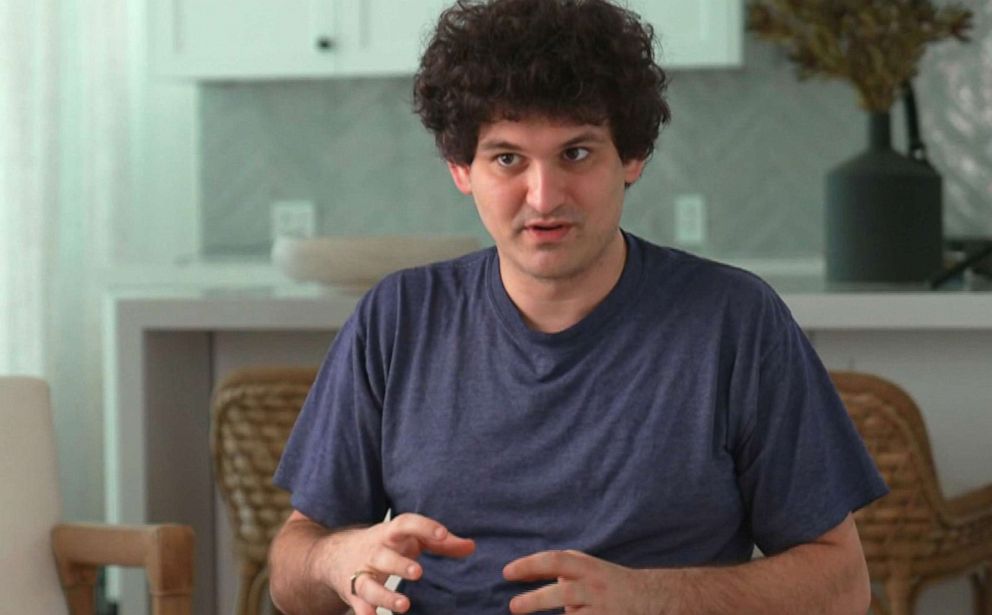
“I would never read a book. I’m very skeptical of books. I don’t want to say no book is ever worth reading, but I actually do believe something pretty close to that.”
Laity looking especially lovely on this cloudy autumnal day.

Gruber: “Mastodon is — deservedly! — getting a lot of attention as people re-evaluate their use of Twitter. But what I’m digging more in our current moment is renewed enthusiasm for blogging, and, on the consumption side, RSS feed reading.” Amen. Pretty much everything that was wrong with Twitter is also wrong with Federated Twitter.