
But ritual dazzles more than it convinces. Beyond the converted, the less committed observer will see the facts piling up and conclude that one can be fully aware of racism’s persistence and yet still feel that the part racism played in Brown’s death is too abstract to qualify as a Selma-style — or even Trayvon-style — teaching moment. We need here Selma, Sanford — we want to make all of America put down their beers and feel this turning point. Again, of course Brown didn’t deserve to die — at all. But we have an urgent and challenging task here. And if so — and, God, it’s very much so — aren’t other deaths that have grieved us more useful in teaching a vast nation of people, with various levels of understanding and concern, that we have a serious problem here?What happened to Diallo, Martin, Crawford, and also Oscar Grant is a clearer demonstration of what faces us than what happened in Ferguson. People don’t like being told to ignore facts; even fewer find ambiguity a spark for indignation. Crawford’s killers weren’t indicted either. We must wonder why this is considered a less urgent — and instructive — catastrophe than what happened in Ferguson. I mourn Brown as we all do, but I worry that we have chosen the wrong tragedy to wake this country up.
My murder-mystery plot was extremely elaborate, with lots of strange clues involving balsa wood, and that was going to be fun, I thought. But then there was the dead body. The dead-body part was the thing I just didn’t go for. You have to start with it. If you don’t have the dead body, you do not have the murder mystery.
The idea that Michael Brown’s death is being emphasized too much by the black community, which should instead be concerning itself with “black on black crime” is oddly dissonant with the specific details of this case. The death of a person at the hands of a police officer, a person who is vested with the state’s power to do violence, should obviously be treated with an even greater seriousness than their death at the hands of another citizen. It also would seem strange to invoke the ancient spectre of black criminality given that, even if we take the questionable police account of events as completely credible, the worst crime for which Brown was stopped was shoplifting a handful of cheap cigars. Why this should be treated as something more than an instance of ordinary American juvenile mischief is unclear. That each of these well-worn narratives are being wheeled out in this this case only seems strange if we fail to recognize the argument’s core: we can’t complain about being treated like niggers when we’re acting like niggers.…
I wish I were ending this comment with answers or at least encouragement, but I have none to offer. I just have a list of things that I know. I know that I have never called the police, and if in future I do, it will be because I have reached the furthest of last resorts. I know that I am taking steps to learn how to arm myself for the protection of my loved ones and my community. I know that I will always vote “not guilty” if I am on a jury prosecuting a non-violent drug offense. I know that I will always oppose any expansion of the state’s power to harm and jail its citizens. I know that I will be going to community meetings and protests and vigils and organizing sessions and memorial services for the rest of my life. I know that one day I will tell my child, if I am blessed enough to have one, that the world is afraid of them, and that the police are not to be trusted. I know that one day, that child will tell her own child the same thing. And yet, I know that I still have enough hope to want to bring children into this world, broken as it is. That is something.
[Perhaps the British government could] take advantage of the Palace of Westminster’s imminent overhaul to evacuate it and move Parliament around, like the Cup Final while Wembley was being rebuilt. Peripatetic parliaments or king’s councils are not unprecedented. We had them in the early Middle Ages. Other countries still do. That way MPs could re-engage directly with the parts of Britain that feel distanced from Westminster today.Meeting one year in Manchester, the next in Glasgow (not Edinburgh, given the local competition), another in Swansea, then in Newcastle or even Hull (UK City of Culture in 2017), they would see the shuttered-up shops, the desolation caused by deindustrialisation, as well as the many positive and promising aspects of provincial life. And national journalists would follow them, and report. I’m sure they could find enough big rooms to meet and debate in – even some that might remind them of their old home, such as Manchester Town Hall (a much better building than the Palace of Westminster). Getting away from London for a while could do Britain’s crumbling democracy a power of good. What’s to lose?
[gallery columns=“1” size=“large” ids=“18495,18496”]
You have no computers – or none that I have seen. So many libraries today have become sheds for computers, with books being edged out, put away. You have none of that. Let books who are exiled by computers seek refuge here in your little reading room. You are there to receive them, to comfort them in a world that is turning against the book.You are so generous. You were a free library back in the seventeenth century, and you still are. In keeping alive this tradition you are reminding us of what libraries are all about. You are about knowledge and the open and generous sharing of knowledge. You are about the good that comes from the written word in an age when there are so many lies around.
You are the senior library in Scotland. You are loved by those who know you, but you are happy to take on new friends. You are a little beacon. You really are.
— Alexander McCall Smith on the Innerpeffray Library


The Attentive Reader
Recently I gave a talk at Vassar College for a meeting of LACOL, the Liberal Arts Consortium for Online Learning. Rather than writing out a lecture, I talked my way through the slides below. I’ve added some commentary so you can get a sense of what I talked about. This isn’t exact, but it’s the general picture.

I want to begin by talking about…

The person who has done the most to help us think about these matters is Katherine Hayles:

— who wrote in 2007 about two fundamentally different modes of attention.

This kind of attention has often been represented in art, and interestingly enough, more often than not women are the ones manifesting this attentiveness. This may be related to the association of deep attention and women alike with private spaces, as opposed to the public realm traditionally governed by men.


Our great documentarian of this kind of attention is the photographer André Kertész, whom we’ll return to soon.

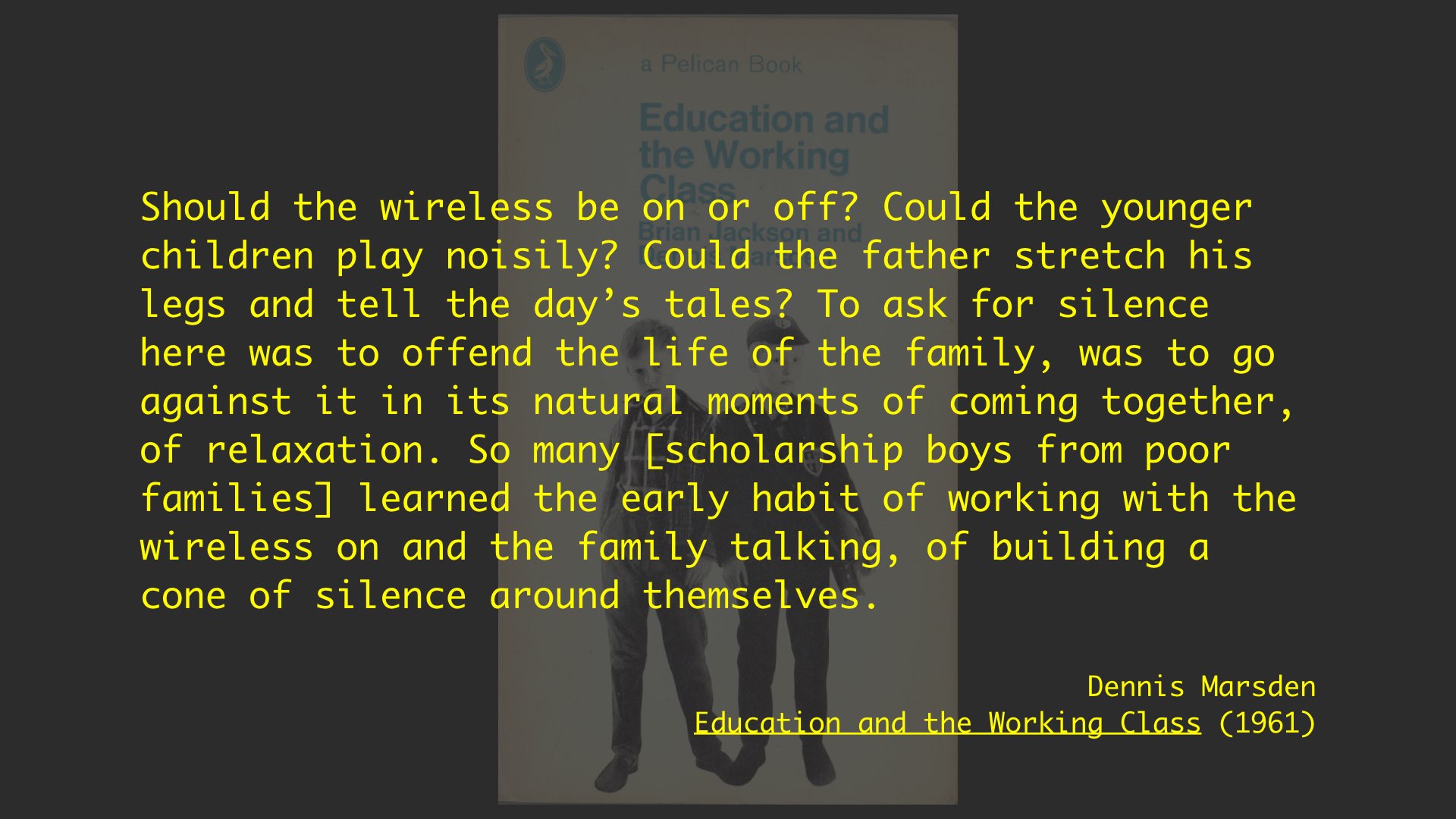
But perfectly private spaces are not always available, and this requires the cultivation of certain sophisticated cognitive strategies for enabling deep attention. Dennis Marsden, an English sociologist who grew up in a rather impoverished home in the north of that country, tells the story:

Here’s a photograph by Kertész that seems to be visualizing for us Marsden’s cone of silence: note the hat pulled down over the reader’s forehead, the book pulled close to the face, and rest of the world apparently excluded from whatever is going on in that circle with a radius of about a foot.

To this mode of attention Hayles contrasts its opposite:

Hearing this description, we might think of something like this:
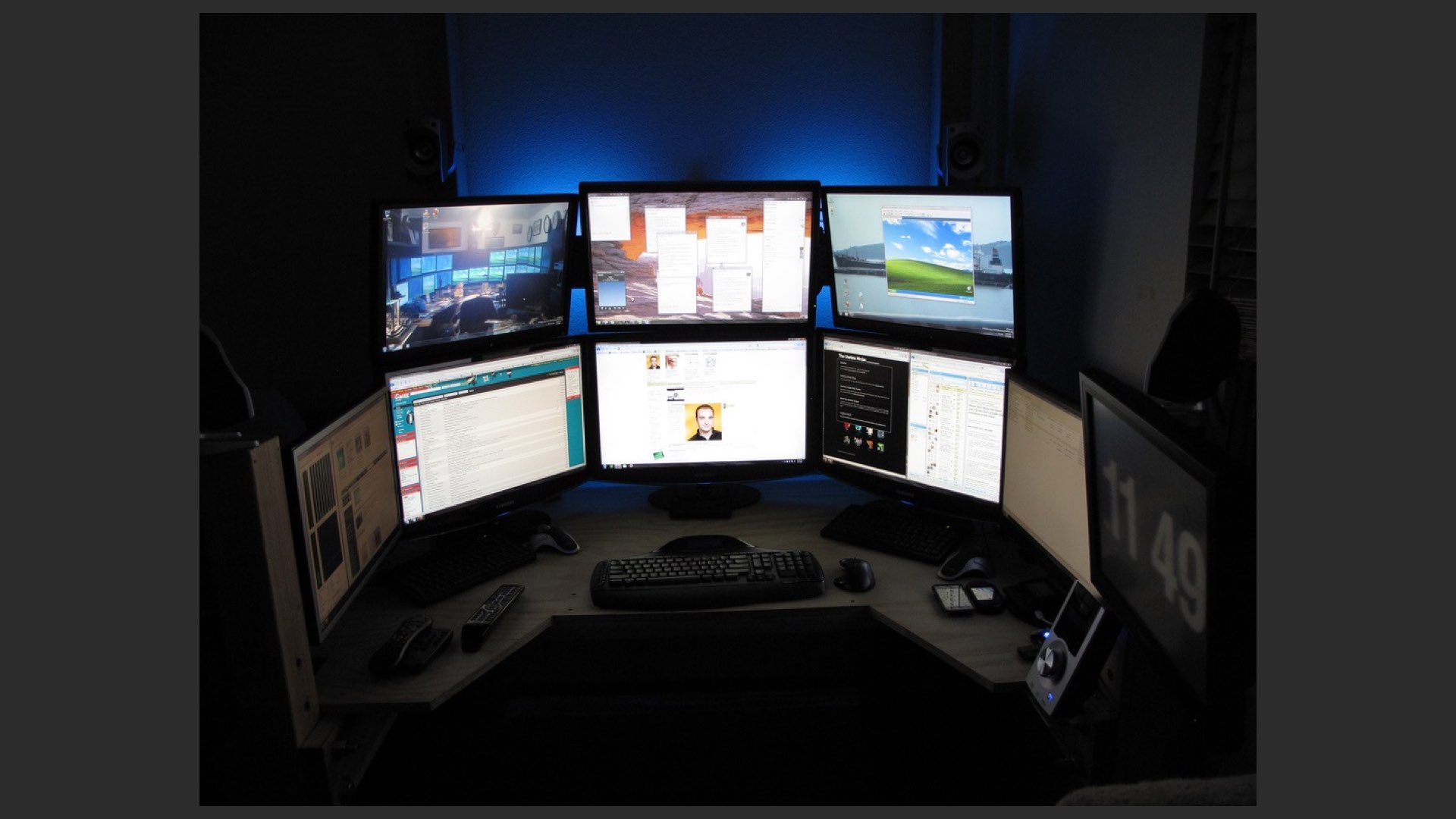
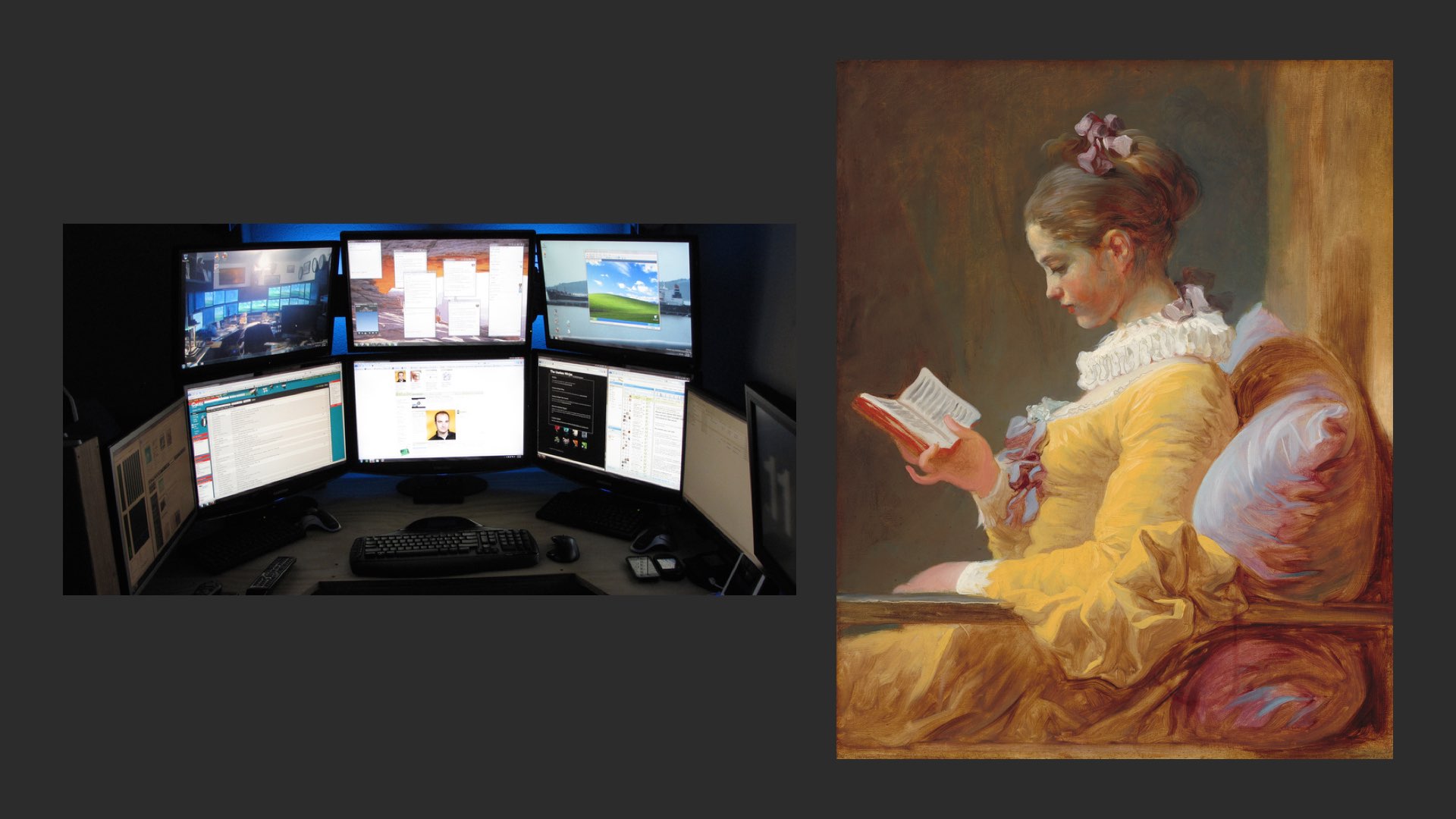
Which reminds me of something … what could it be? … Ah yes:

The resemblance is indeed quite close:

This masterful reader sitting at the center of his informational web certainly cuts a very different figure that the reader “lost in a book”):
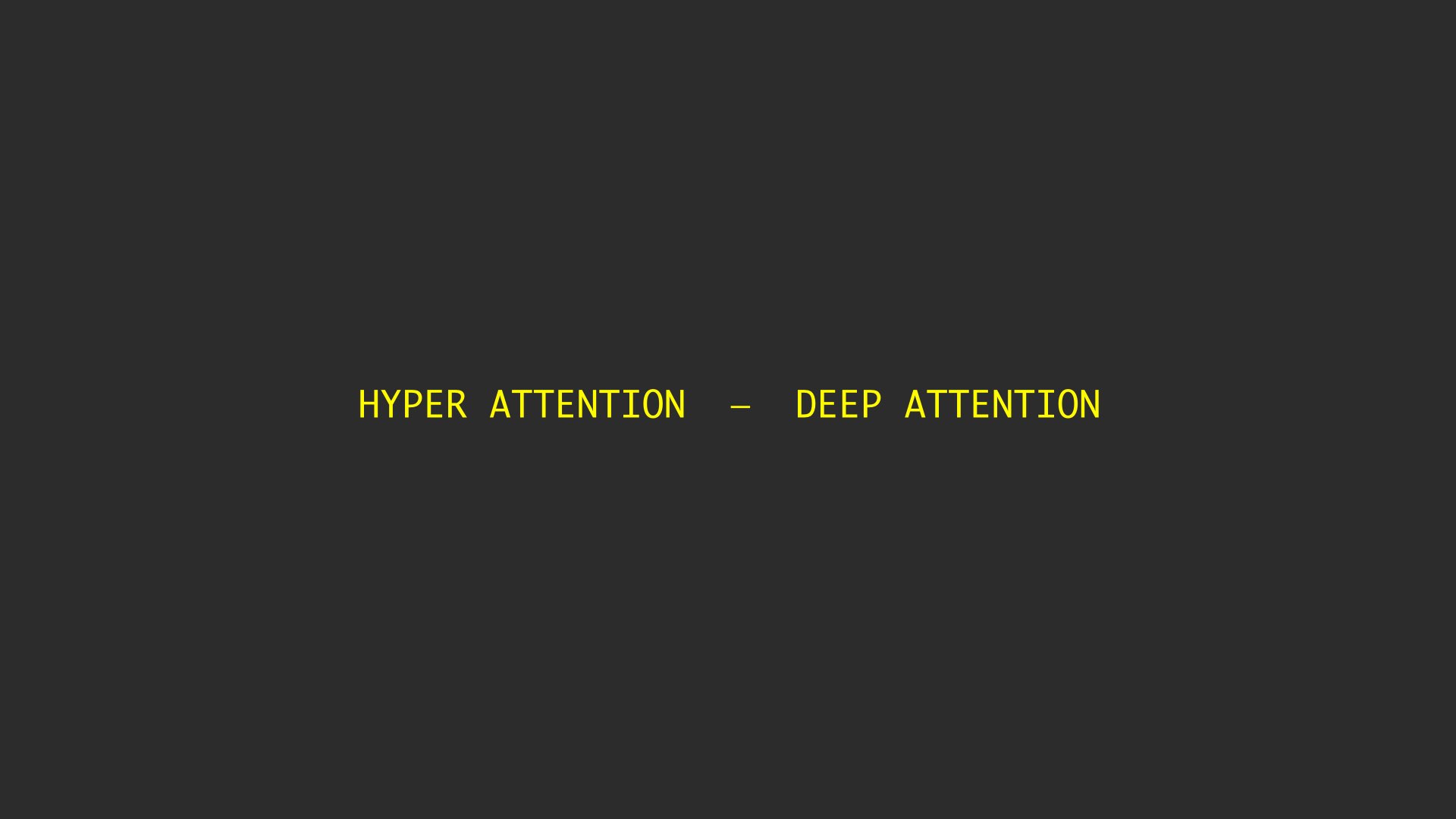
So here are Katherine Hayles’s two master modes of attention:
To which she attaches (especially in her recent book How We Think, shown earlier, that develops the key ideas from her 2007 article) two corresponding ways of reading:
She then adds, in light of the work of Franco Moretti and others, a third category:

But we’re going to set machine reading aside today, having paused to note its existence — it’s important, but not germane to the topic of the day.
Having outlined Hayles’s basic distinctions, I now want to adapt and extend them. I think there’s a problem with the binarity of Hayles’s typology, and I want to suggest a more complex one in which we create not an opposition but a continuum:

If we look at things this way, we can see that hyper attention and deep attention have something interesting in common: they enable what Mihaly Csikszentmihalyi famously calls flow, a total absorption of the whole person in a task.

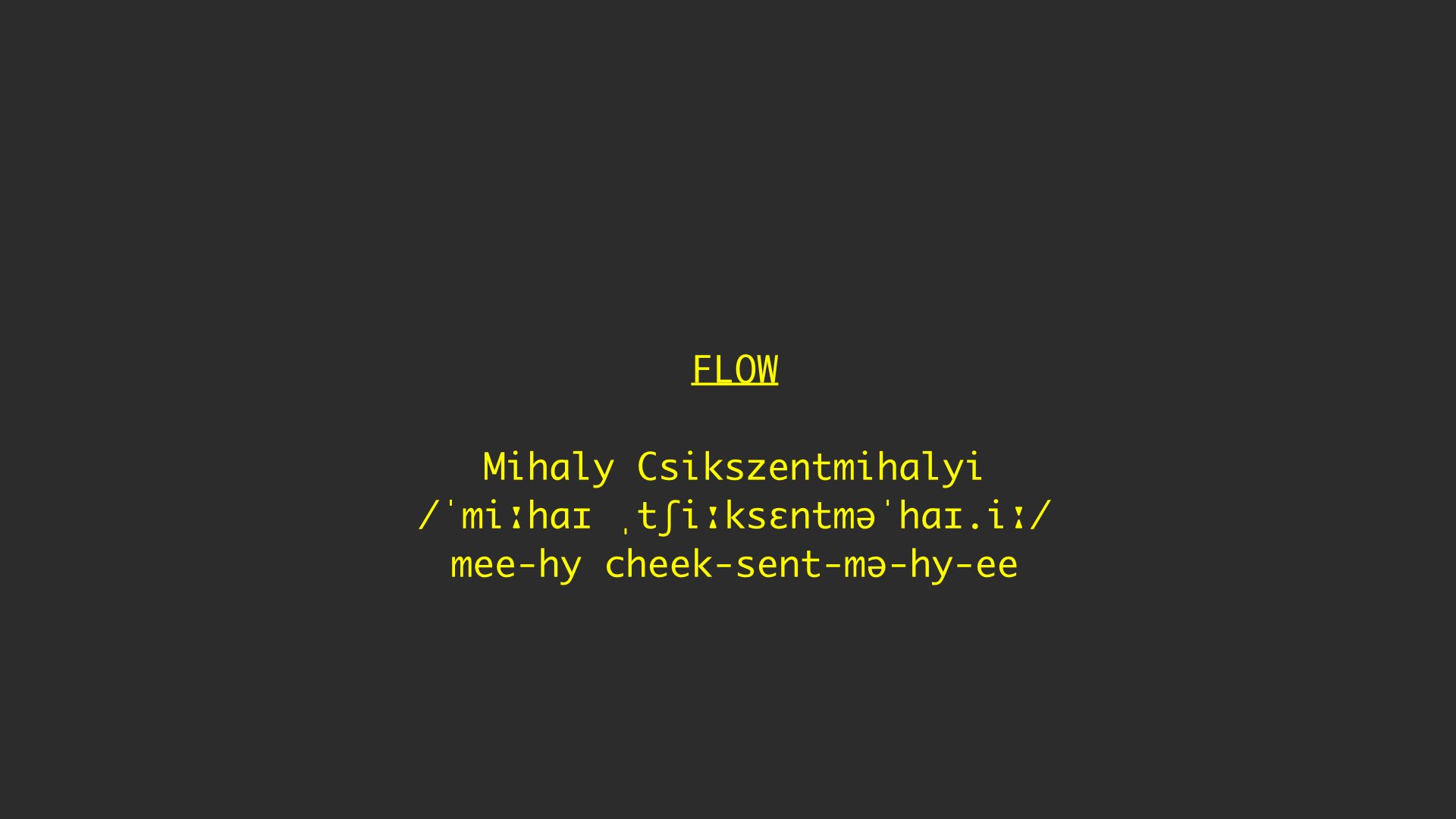
And if truly deep attention and truly hyper attention are characterized by flow, then maybe this —

— isn’t a form of hyper attention at all, but was named more accurately some years ago by Linda Stone:
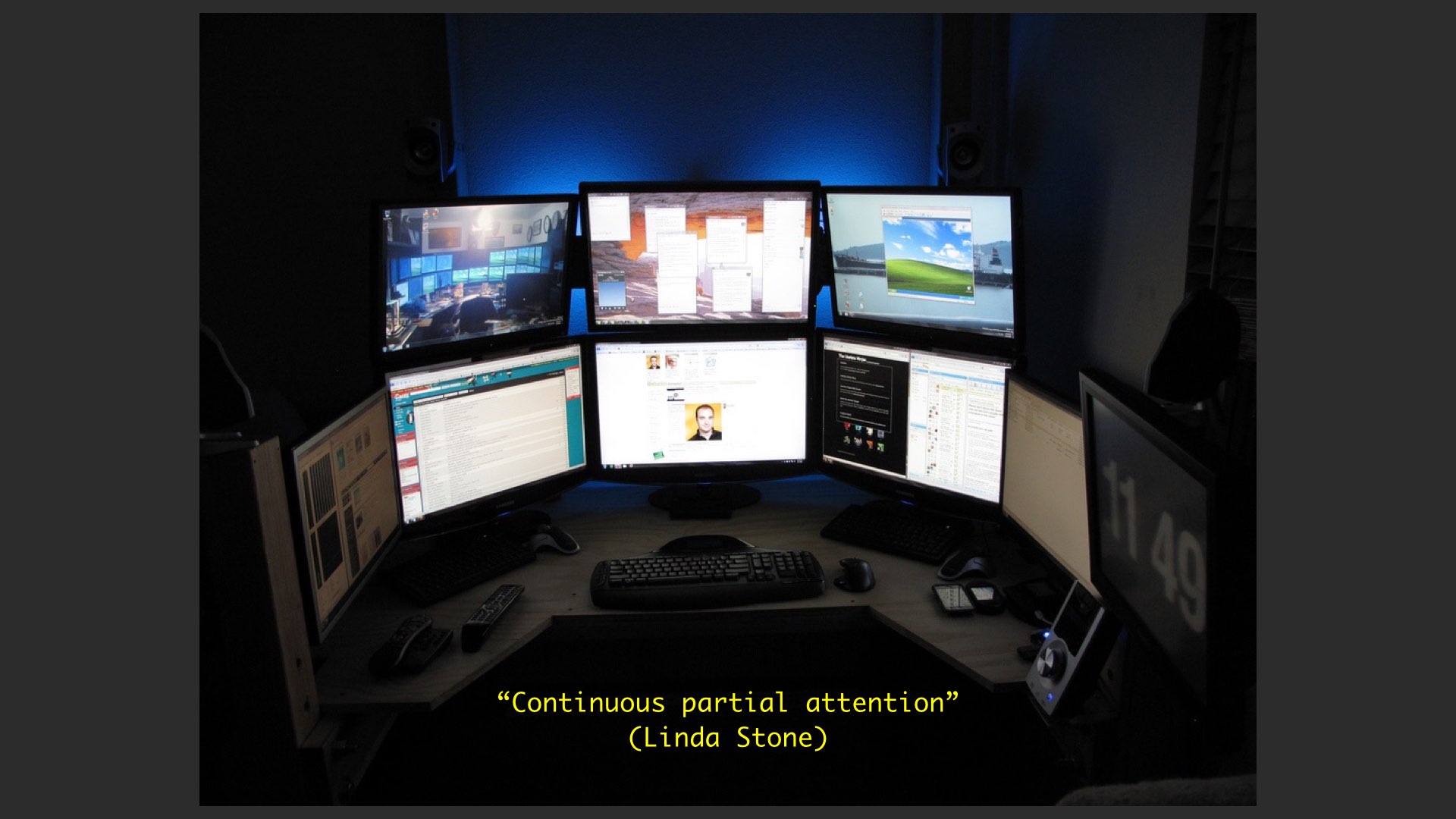
True hyper attention might look something more like this:
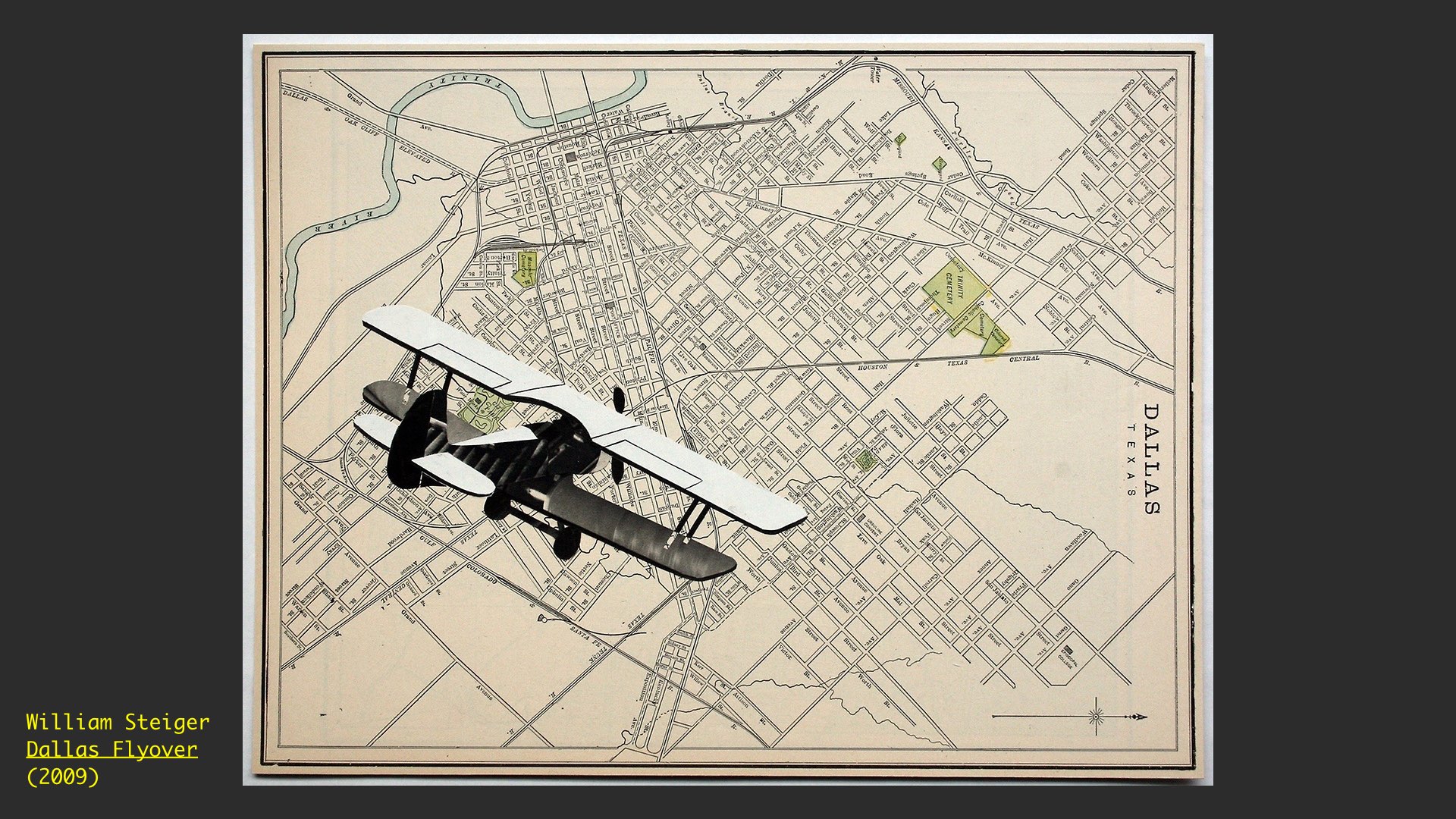
The addictive nature of early (largely pre-instrumental) flight, with the wide range of cognitive and physical demands it made — arms and legs moving in rhythm, eyes scanning the horizon, even the sense of smell engaged to note the changes in humidity that can betoken changes in air turbulence — is an ongoing theme of the romantic literature of pilots:

And if we want a contemporary equivalent of hyper-attentive flow, well, it might look something like this — yet another enterprise that calls for the aptly-named “joystick”:
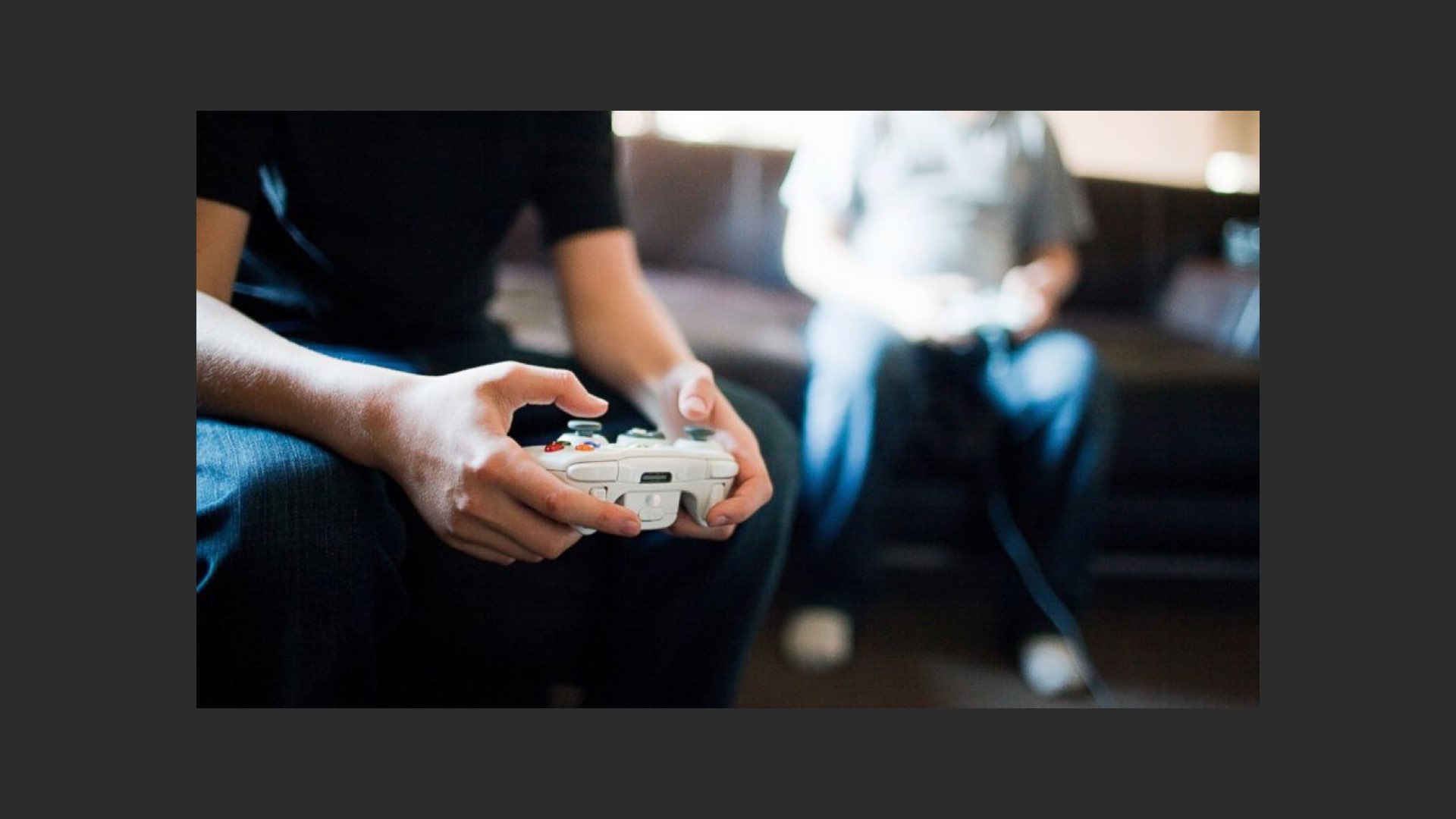
Okay, so much for modes of attention. Now on to…

When we talk about these environments, there’s a word that turns up regularly.

I don’t think it’s a very good word. Too vague, comprising too many highly varied types of environment.
Let’s once more try a continuum instead of a binary:

So: private attention. A good thing and a rare, typically accessible only to those with a highly evolved consciousness.
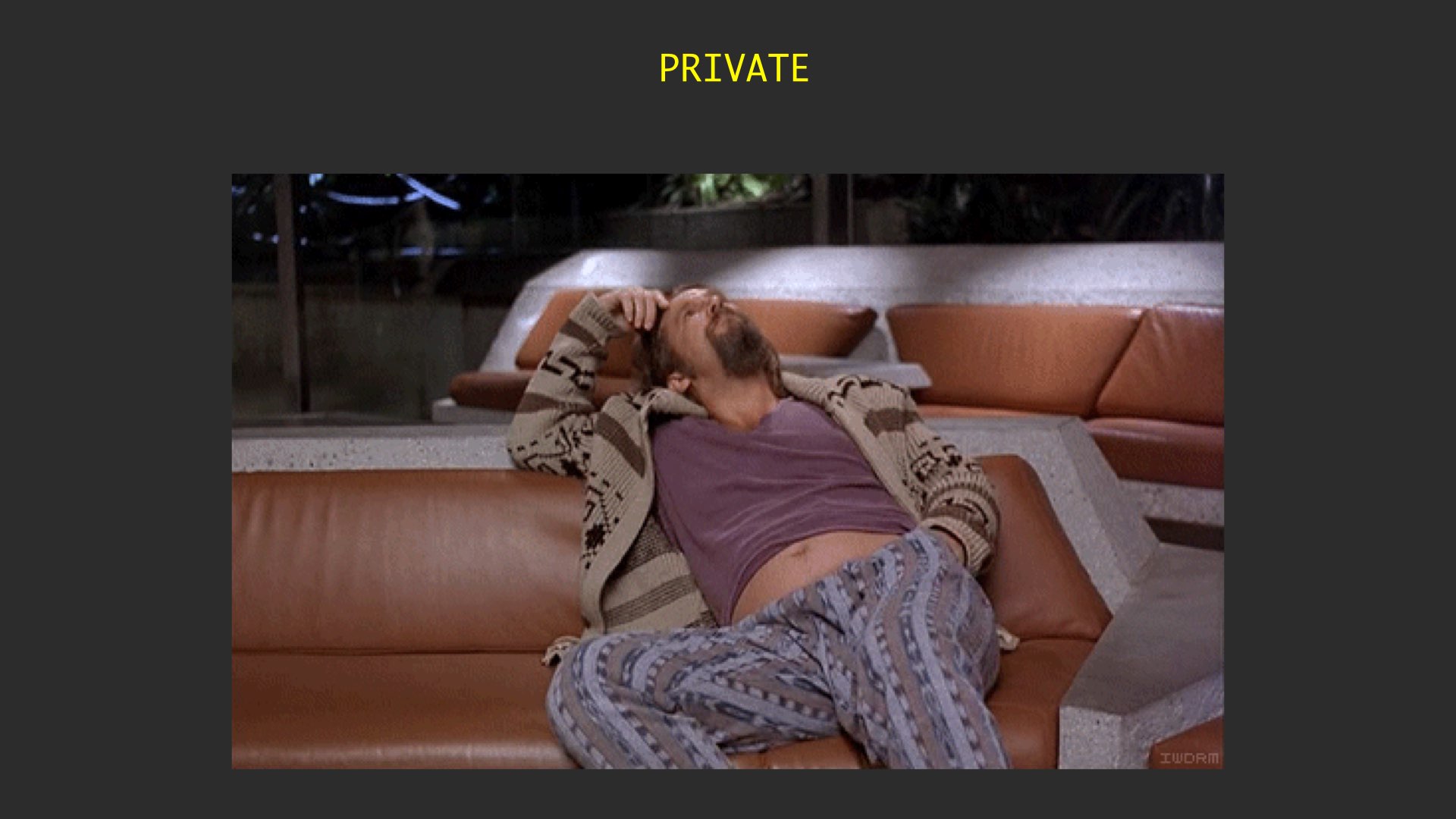
But reading is never private. It is always, at minimum, intimate:

And when shared with others can be convivial (a term I am borrowing from Ivan Illich’s great text Tools for Conviviality):

Is this a convivial environment?
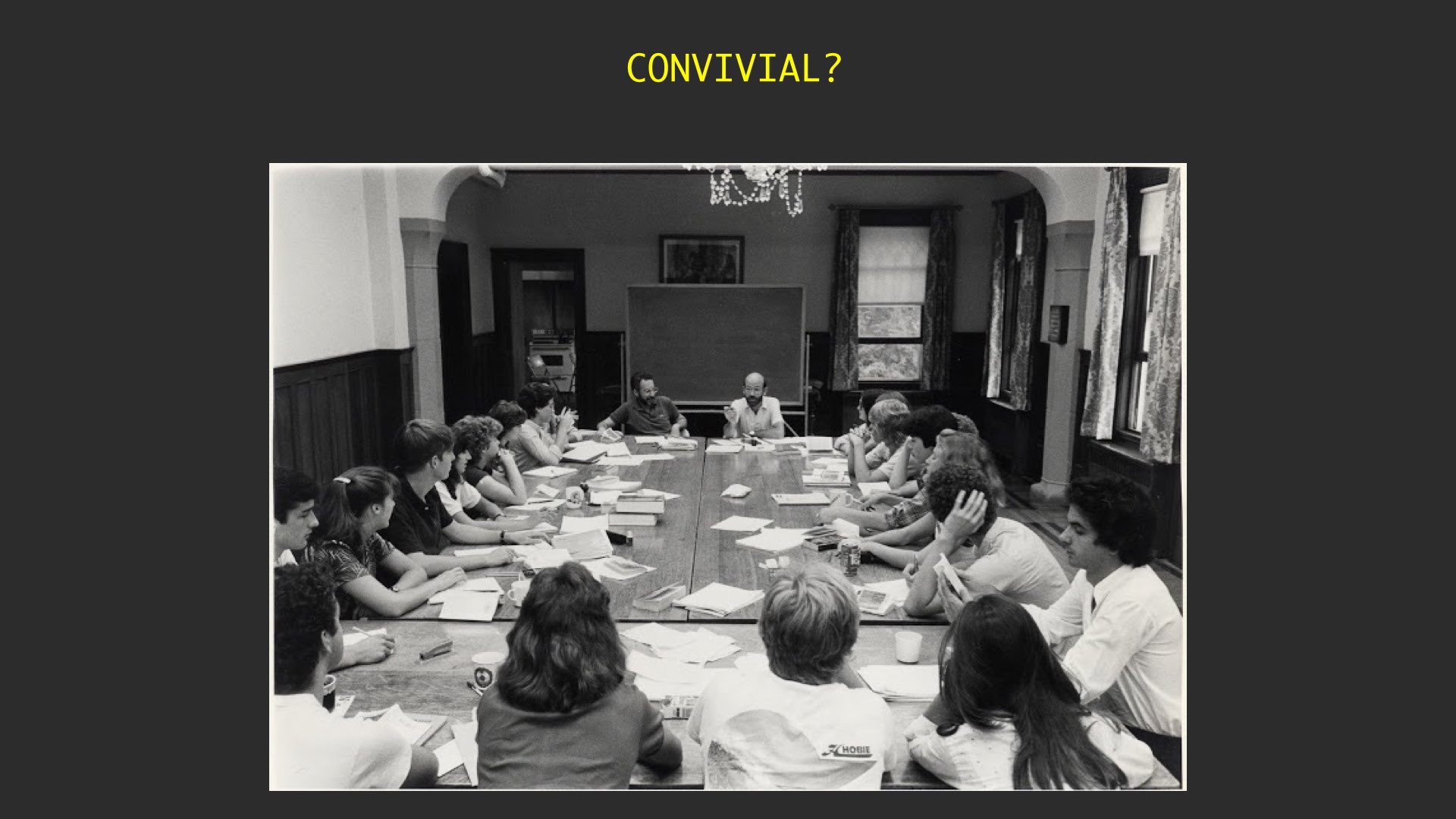
We teachers certainly want it to be. But all too often it devolves into a kind of anonymous publicness.

Now, these distinctions are not easy to make. What, for instance, do we make of this kind of experience?

To hear Dickens read his work, in the company of hundreds of others, is clearly not the same as to read him in your “cone of silence” with a codex held up before your face — but is it necessarily a public experience. Or might the presence of other Dickens aficionados make it somehow convivial? Might it even be private, as though Dickens is speaking to you and only you, as the other members of the audience fade from your consciousness?

We can ask the same questions of the online world:

Can an encounter of fellow Goodreads users be a genuinely convivial experience, especially when you are agreeing about the merits of a particularly excellent book? Or must it be merely public?
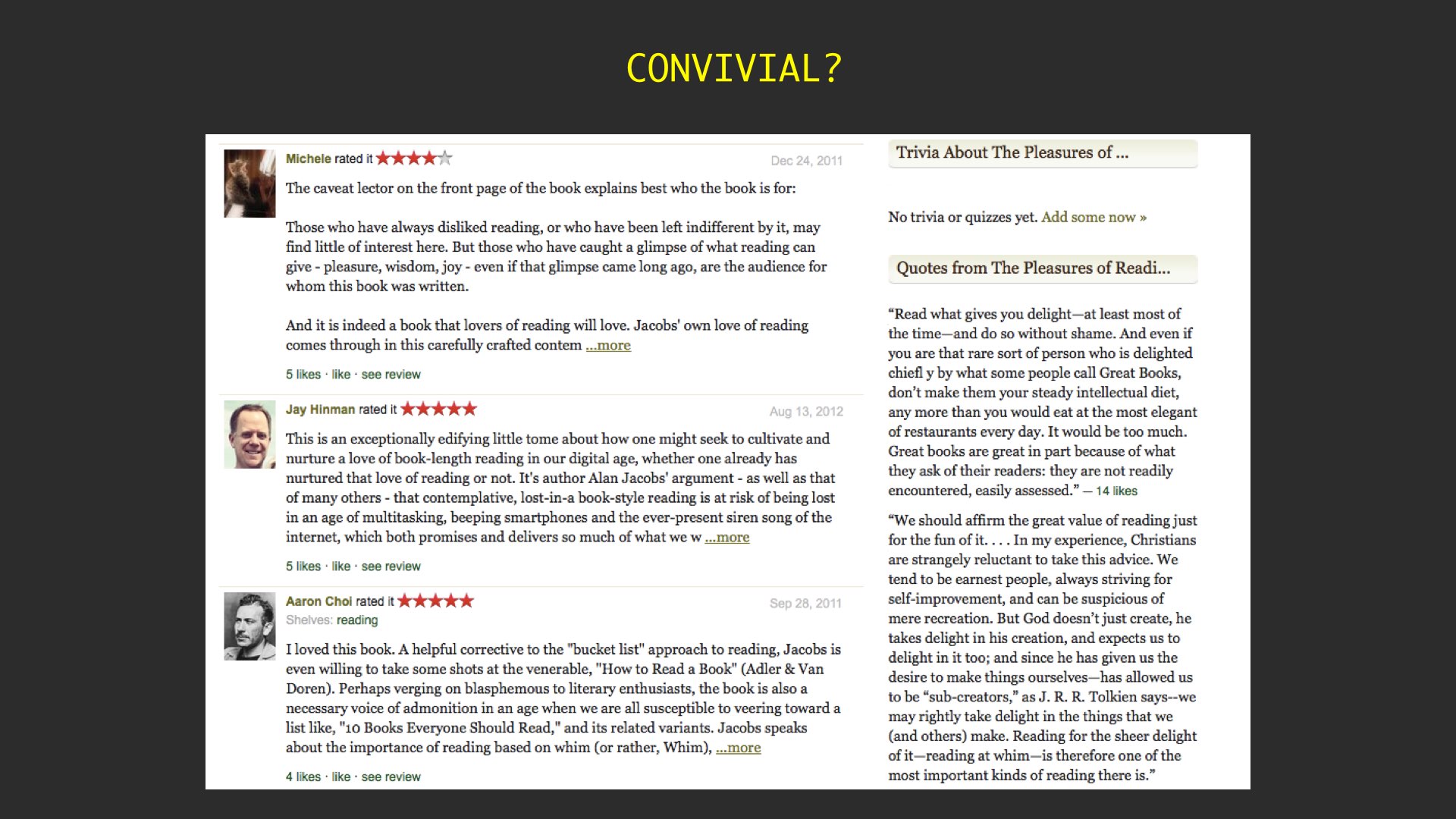
But surely there can be no conviviality when there are no names, no identities, just numbers of highlights divorced from any particular highlighters.

Of course, one may desire a merely public environment, in which case: no problem. But often we may find that the modes of attention we prefer —
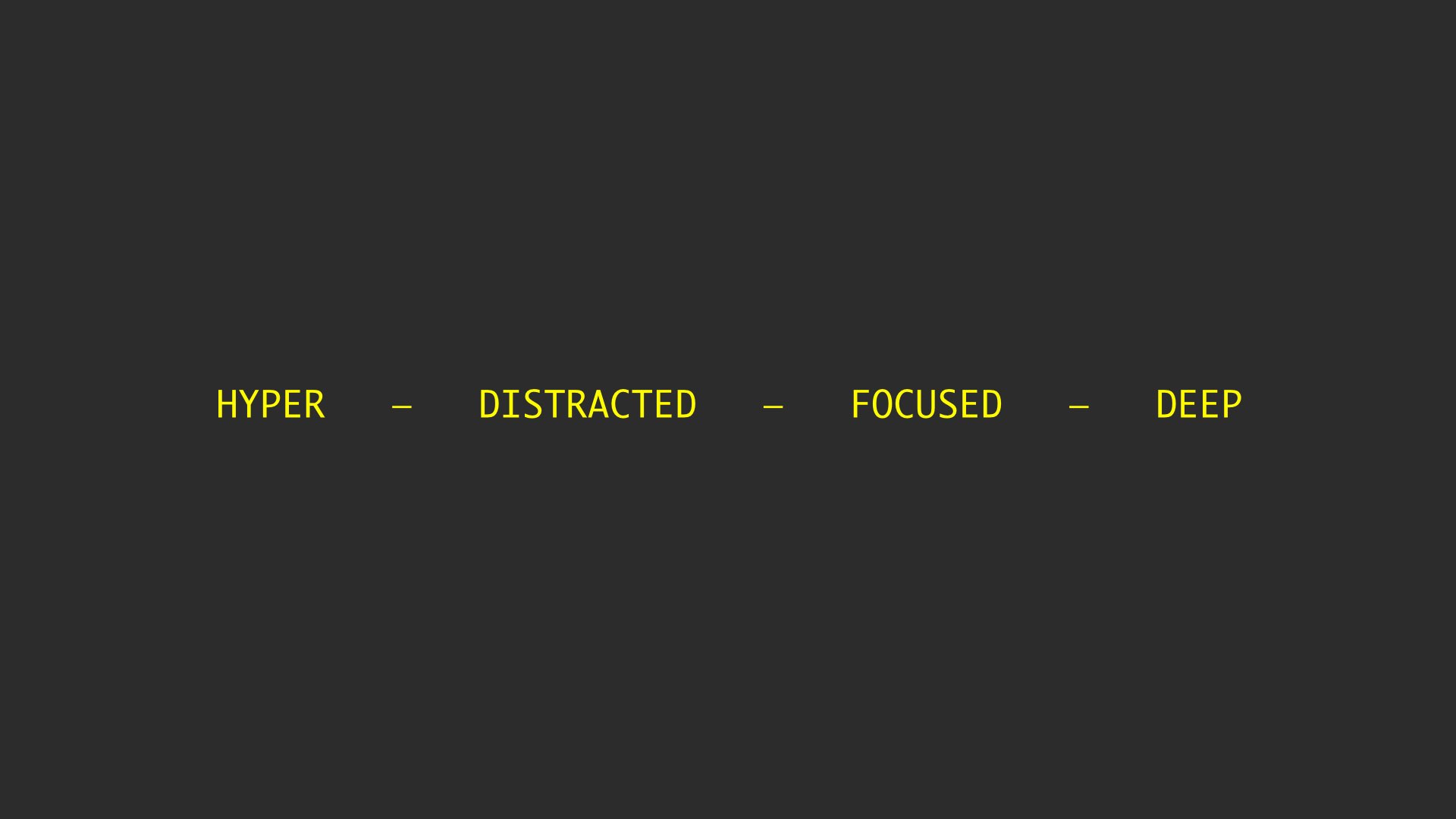
— are in tension with the environments of attention in which we find ourselves.
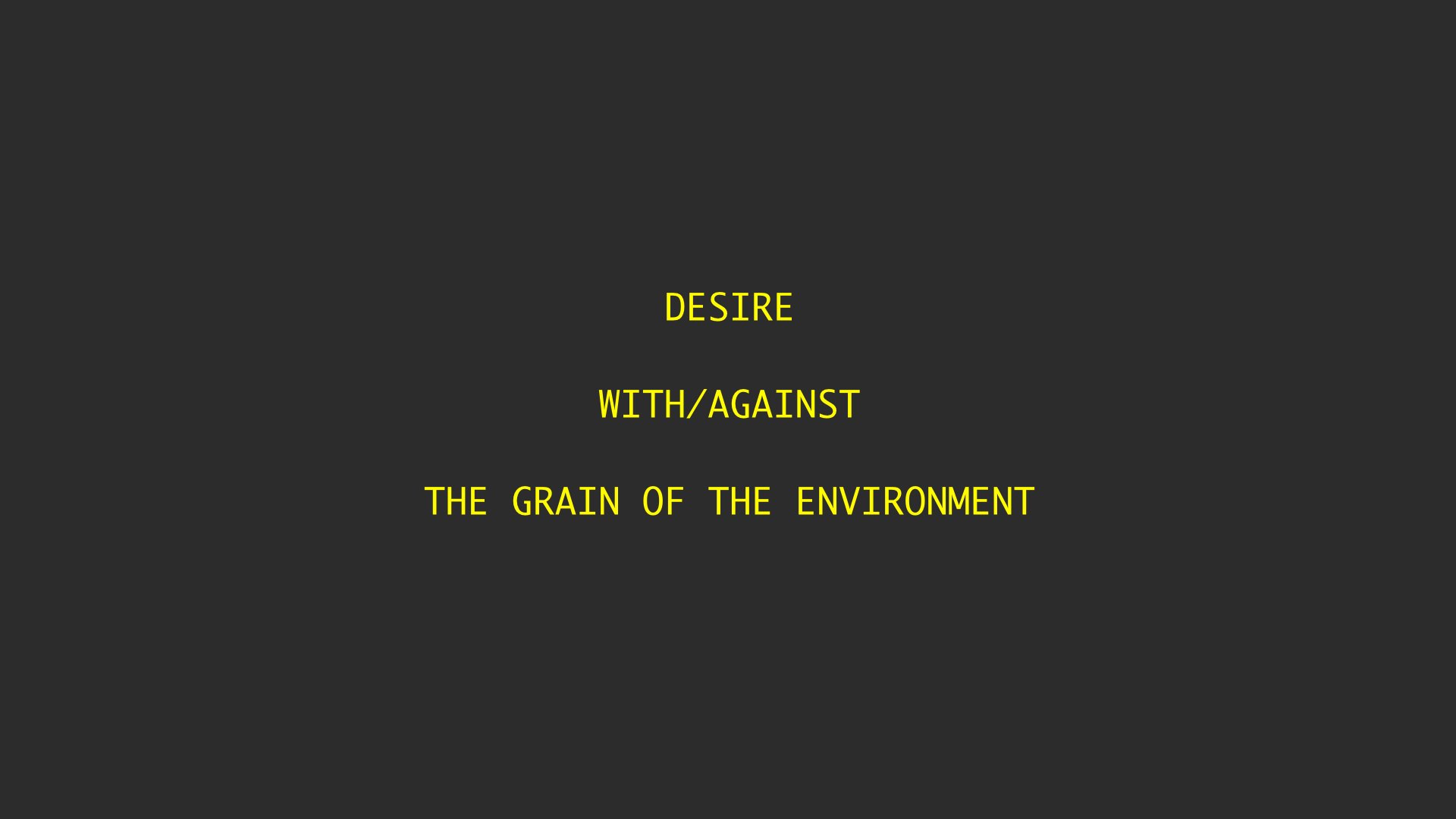
And as if this isn’t all complicated enough, there is a third factor to consider.

Here too, as the philosopher Bernard Williams used to say, “We suffer from a poverty of concepts.” We operate too often with a simplistic distinction between book (or codex) and screen. This is a codex:
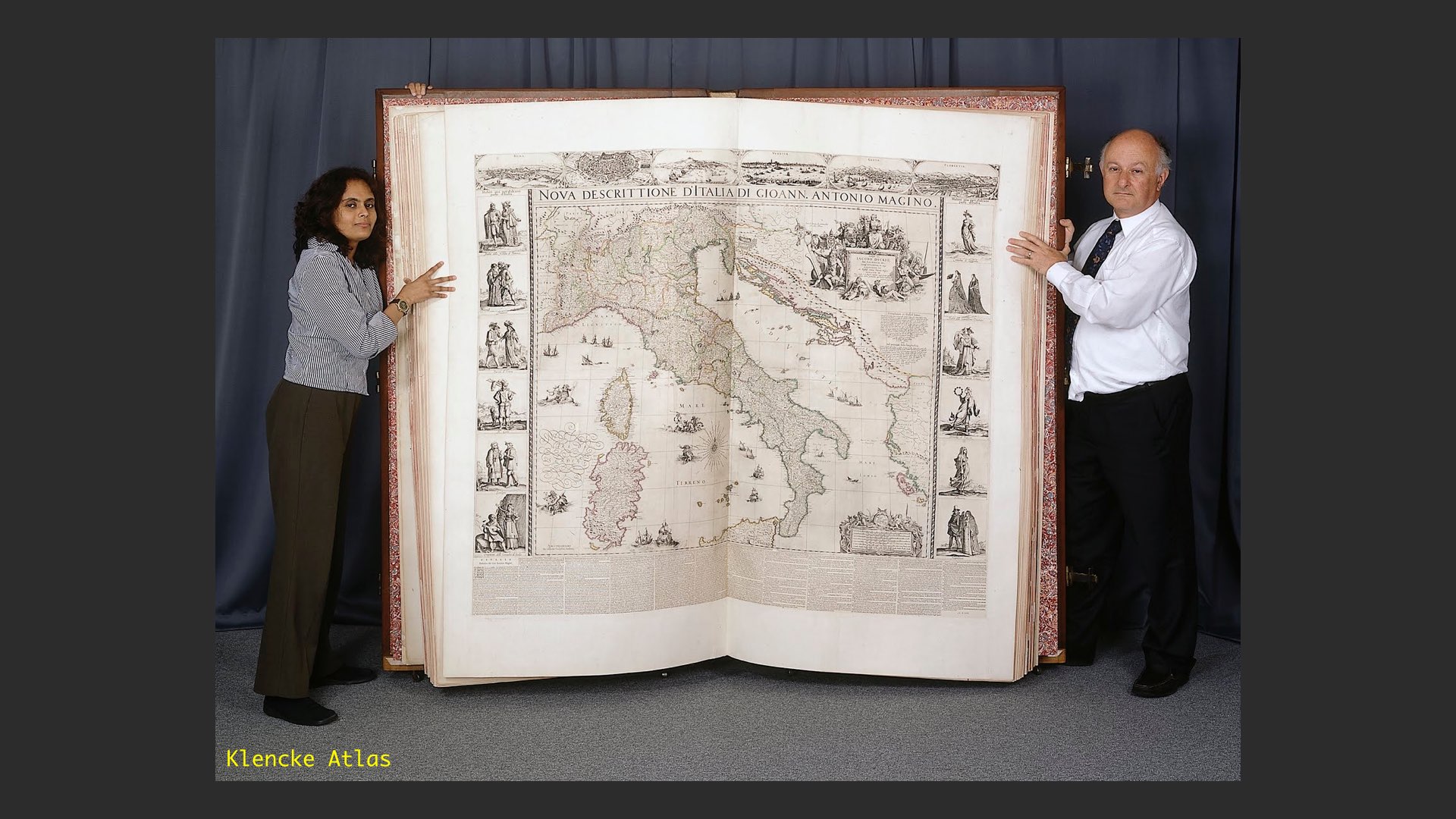
But then so is this:

These are screens, and rather different kinds of screens, with different conformations and affordances:

And so are these:

So it turns out that if we want to think seriously about how we read and the conditions under which we read, we require at the very least three-dimensional Cartesian coordinates:

As someone who was never very good with higher geometry, I am at this point tempted to retreat into a private realm:

But perhaps in that case I will not have earned my money. I shall therefore offer, by way of conclusion, …

For disputation.


(Precisely because it is task-specific, whereas the liberal-arts environment is devoted to the cultivation of more general intellectual habits, practices, and virtues.)


I want to talk for a few minutes about reading spaces at colleges and universities, some of which can be quite magnificent:
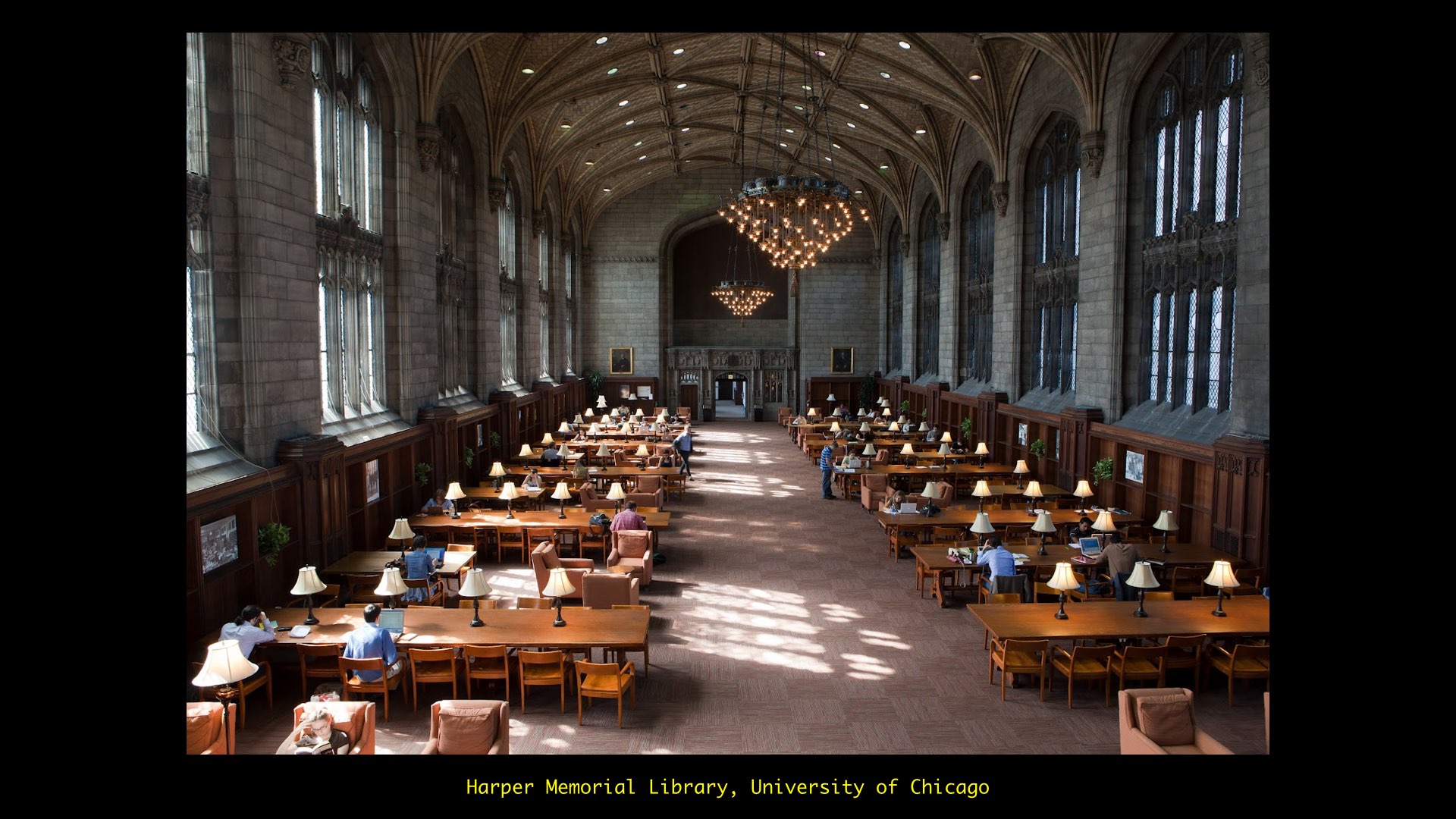


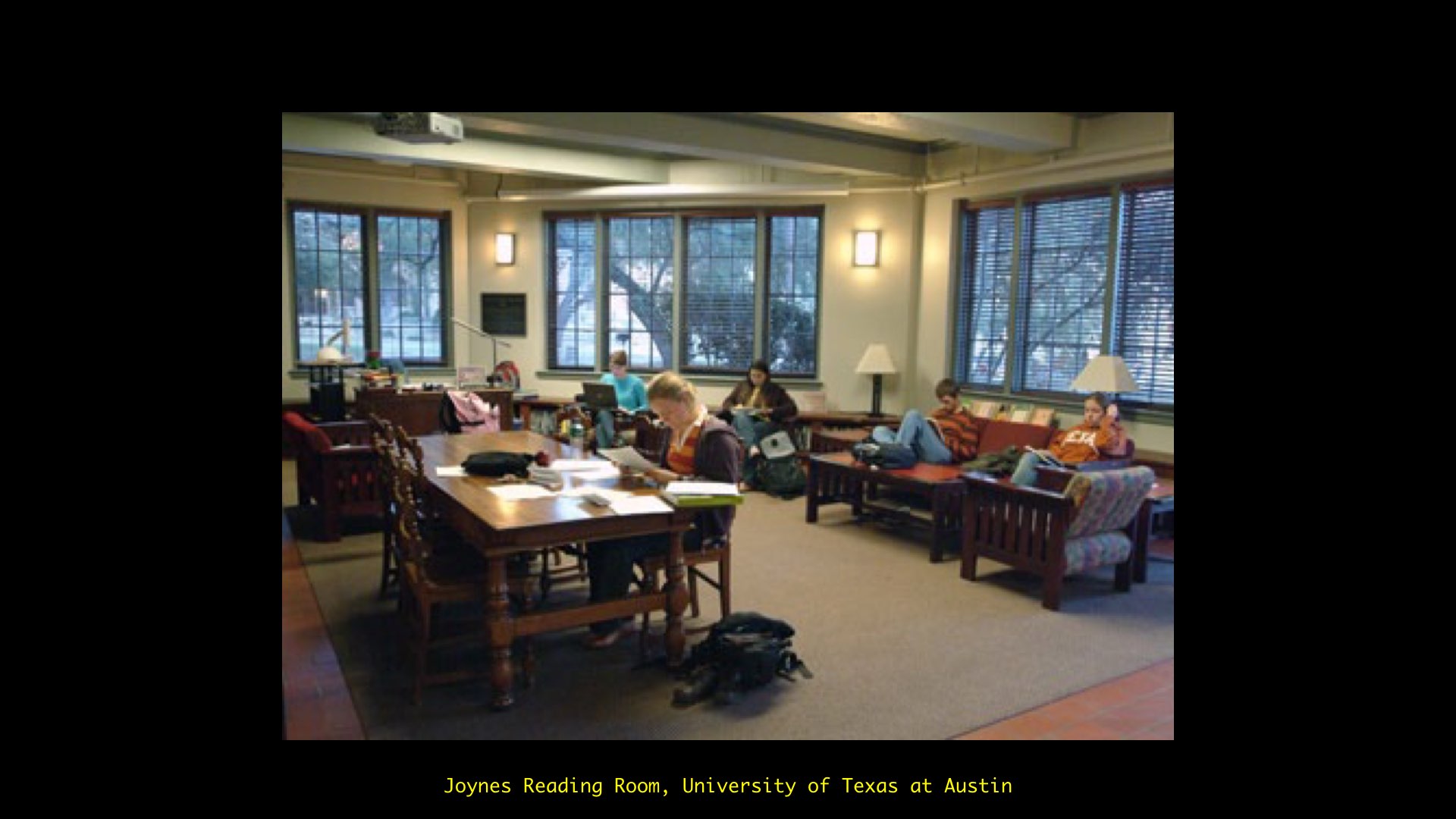
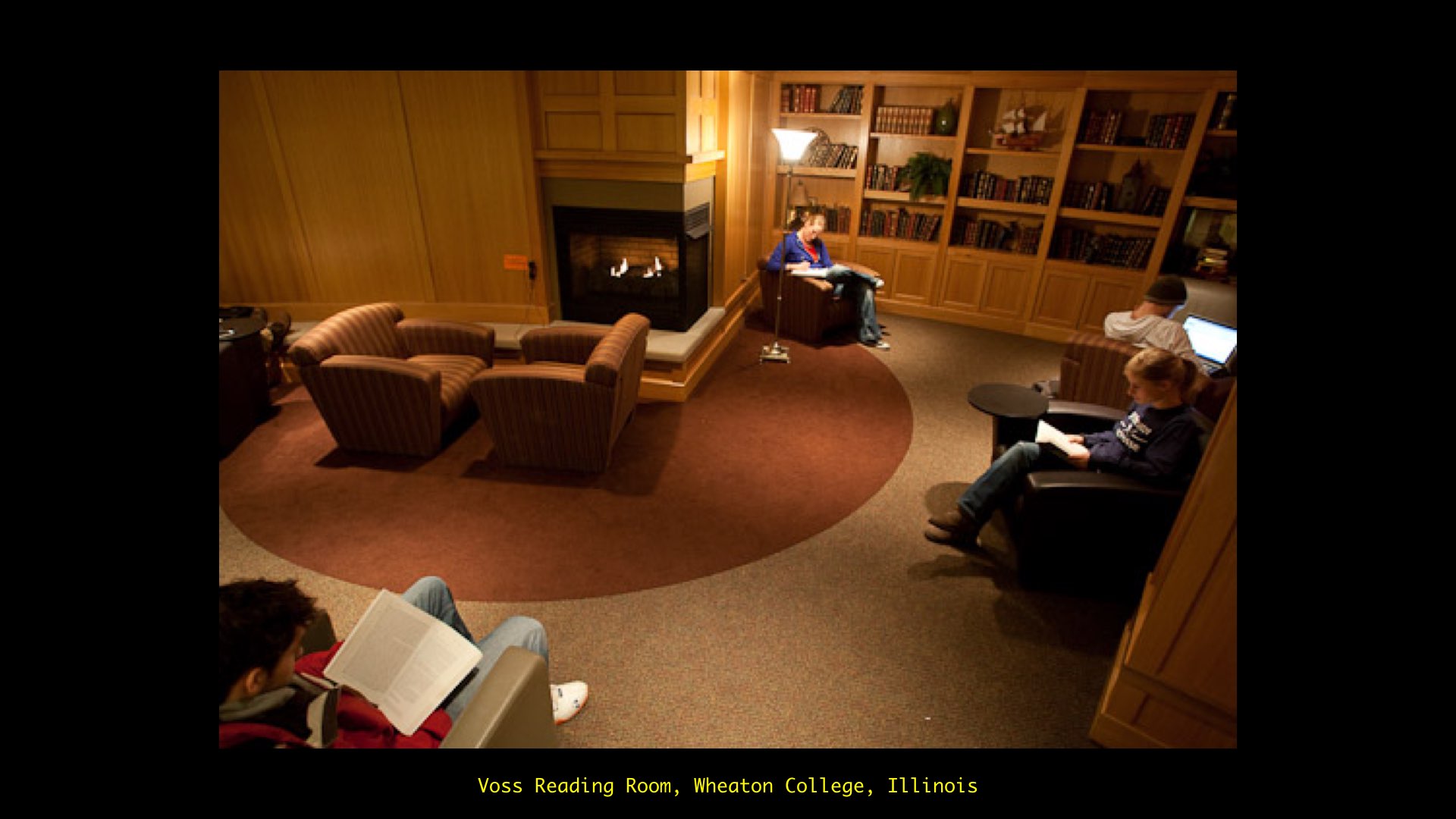
But magnificence is expensive — and may not be what we most need. There’s something to be said for other kinds of spaces, not grand enough to be public and too small to be especially convivial, that encourage intimate reading. (They should probably be Faraday cages, also.)
Along the same lines, we might think not just about books versus screens but about times to emphasize certain kinds of screens in preference to others:
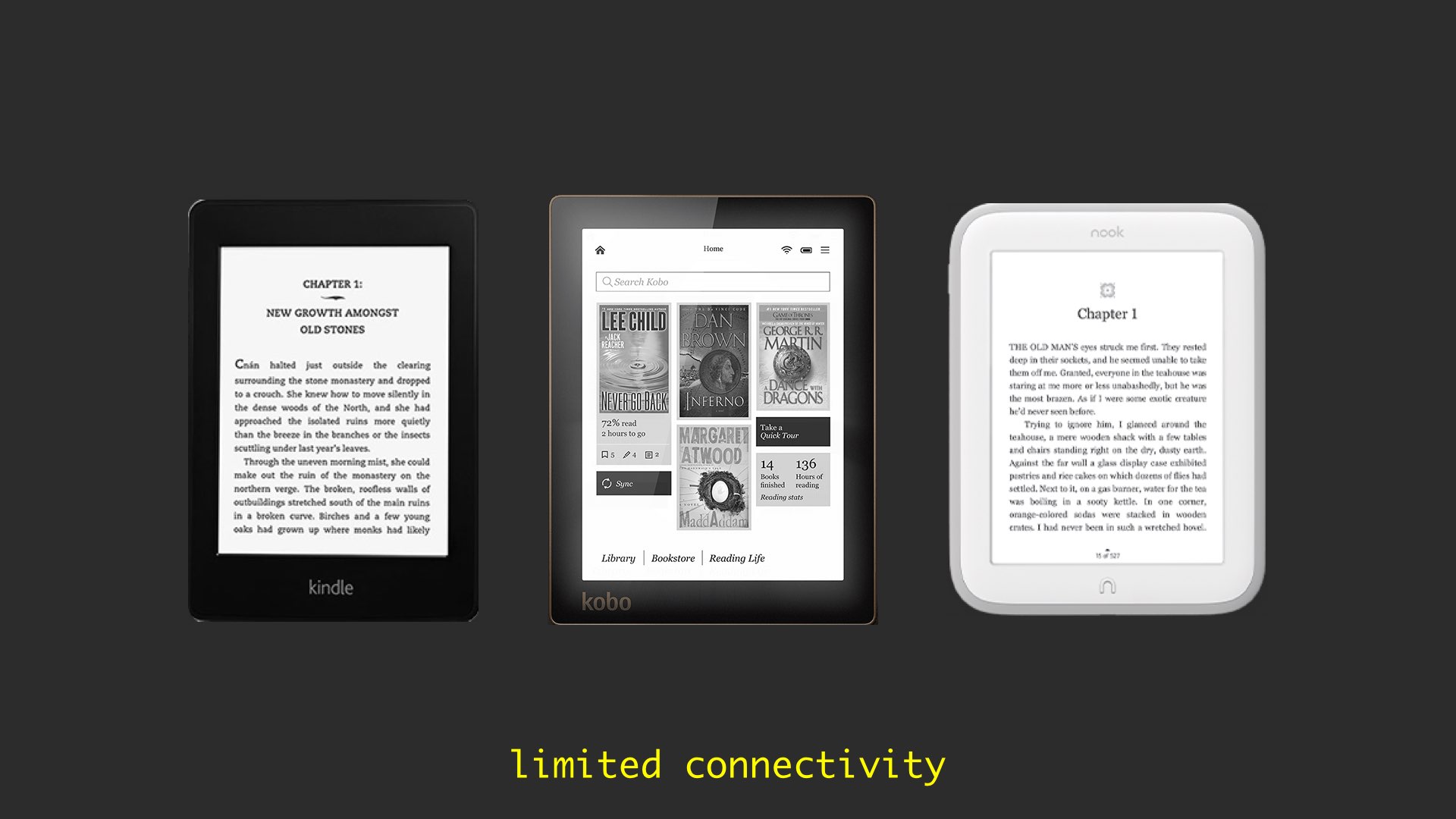
Though we should never forget that not all connectivity derives from the internet:




Sullivan’s statement was a missive from the bureaucratic bowels of an accounting machine. It was surely manufactured by public relations specialists and lawyers whose interests are simply fiduciary, concerned only with legal liability and fundraising. There are no people, just “interests”; no judgments, just “initiatives”; no moral failures, just “issues.” There were, as one of my colleagues put it, no rapes, no victims, no women, no perpetrators—just “issues related to sexual misconduct.” And the only response is more policies, more initiatives, more accounting.The captains of erudition are firmly at the helm at the modern American university. With their phalanx of managers, they are guiding us into seas of indistinction, into a future where the university is just another modern bureaucracy without ends, without purpose. And the faculty is asleep on the deck.
According to a report by the Occupational Safety & Health Administration, the top ten leading causes of injury in the workplace are as follows:
• Lightning strikes
• Unknown
• Predation
• Betrayal
• Curses (ancient + modern)
• Ant bites
• Falling
• Spider bites
• Bites (other)
• Natural causes
I am not particularly interested in the book as object, or in the technology of the transmission of the text. Cuneiform, papyrus and codex, Linear A and B, the invention of movable type, all that sort of stuff. These have been recurrent topics in the new field since the 1970s, and the focus seemed almost wilfully to disregard the content of the texts that were transmitted. Do these new book historians actually love reading?One of them, Frederick G Kilgour, has defined the book as “a storehouse of human knowledge intended for dissemination in the form of an artefact that is portable – or at least transportable – and that contains arrangements of signs that convey information. The information may comprise stories, myths, songs, and reality; the signs may be representations of human speech or graphic presentations of such things as maps, musical notes, or pictures.” The definition hardly trips off the tongue. No one, encountering such a formulation, is likely to get excited and set off in search of one of those. Give me Kafka’s definition of a book any day: “the axe for the frozen sea within us.” Admittedly that wouldn’t help you to find one of them in an attic, but you recognise immediately that Kafka gets it, and Kilgour does not.