
The correspondence of Dorothy L. Sayers and … Ezra Pound.


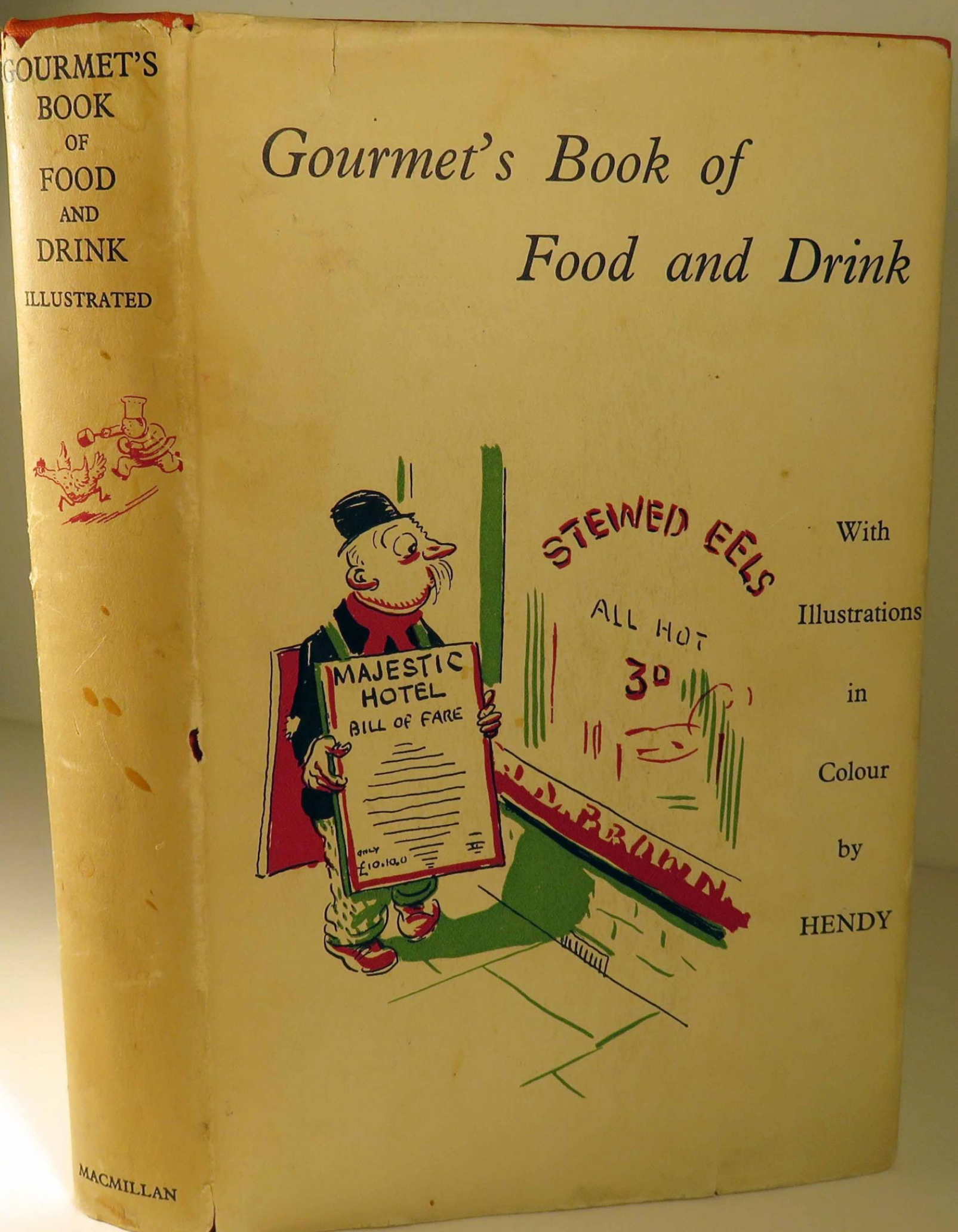
This book was written by Dorothy L. Sayers’s husband, Atherton “Mac” Fleming, and indeed was dedicated to her. (“To my wife, who can make an omelette.”) At Christmas 1931 she sent a copy to G. K. Chesterton, who replied:
Will you please thank your husband a thousand times for thinking of trusting so rich and impressive a monograph to me — who who alas cannot cook or do anything useful: but only eat — and drink — and give thanks not only to God but my more creative fellow creatures: the great Craftsmen of the Guild and Mystery of the Kitchen. I hope he will forgive me if I do not thank him directly — or rather thank you both collectively — but I suppose I must wait a little while before you publish a companion volume, containing all the best ways of poisoning the foods he is so expert in preparing.
Y’all know how much I love to see my former students go on to do cool things. Today, working in the Wade Center, I ended up sitting next to my former TA Aubrey Buster! Now she’s a serious scholar of Second Temple Judaism and many other things I know little or nothing about.



When people critique “capitalism,” they usually mean one of two things:
- The currently dominant system of international free trade and global supply chains
- Greed
Usually it doesn’t take long to figure out which one they have in mind.
“Brilliance in controversy is a corrupting accomplishment. Always to play to win is to take one’s standards from one’s opponent, and local victory comes to displace every other consideration.” – Michael Oakeshott