
Iowa morning

“This is the day the Lord has made!” said the very elderly lady in the breakfast room in the Hampton Inn of West Des Moines.
“Let us rejoice and be glad in it!” I replied.
She beamed. See, you can make someone’s day with just a little biblical literacy.
“I see nothing objectionable in the total destruction of the earth, provided it is done inadvertently.” — Evelyn Waugh
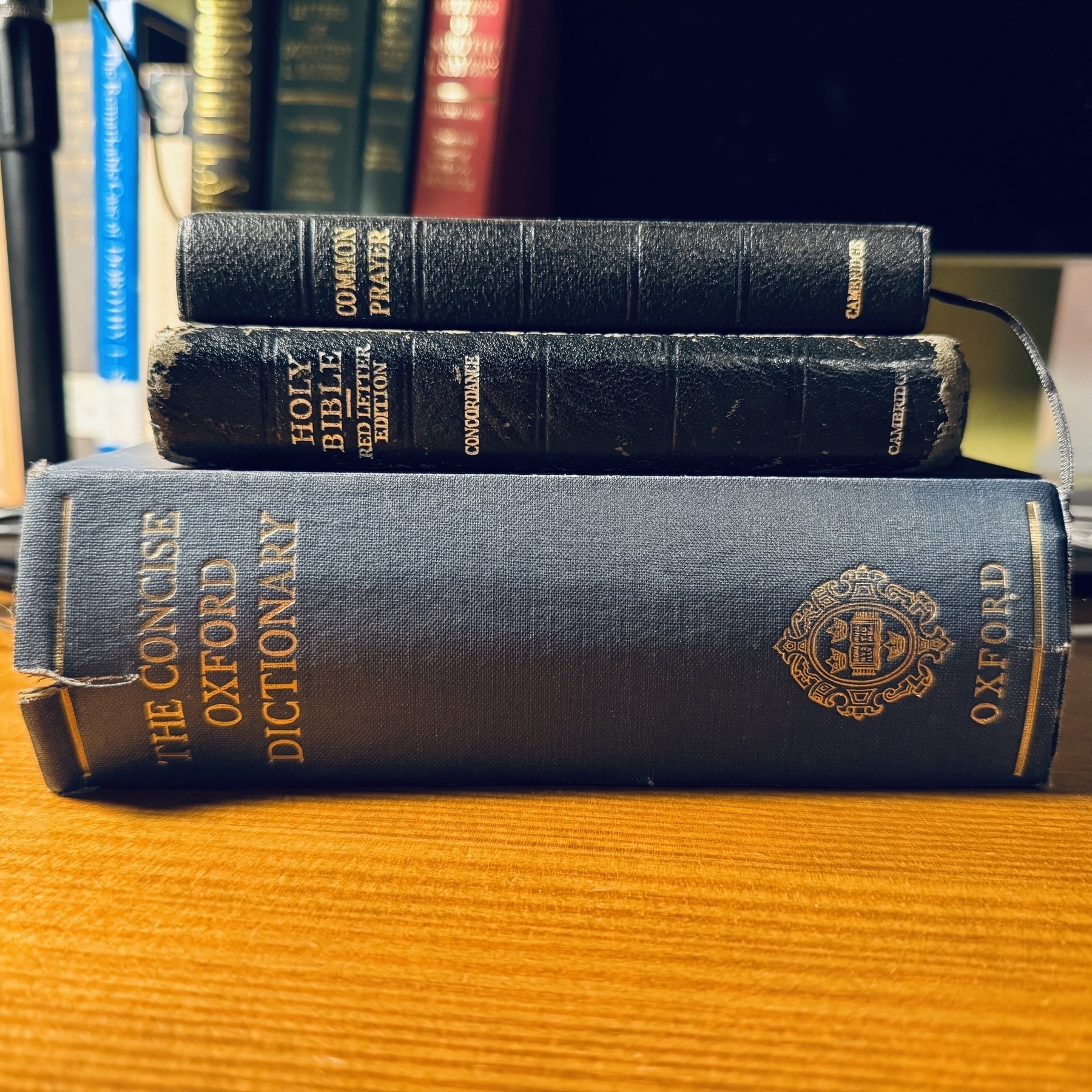
Packing for my visit to dear old Wheaton, where I will be digging into the vast Sayers materials in the Wade Center. I am bringing the three books absolutely necessary for studying the writers I work on.
Also, I wrote about Evelyn Waugh’s sanctuary lamp.
Of course it’s a word! It’s what happened to Eustace Scrubb.

The fundamental problem with any intervention that tries to eliminate certain behaviours from an LLM is that it creates incentives for the model to develop workarounds that preserve those behaviours, while evading detection. The machine simply learns to put on a false face. To be clear, these models don't ‘want’ to deceive us. They have no desires or intentions at all. They’re just doing whatever works best to accomplish their assigned tasks. The AI follows the path of least resistance through the “environment” we create for it.
Karen Swallow Prior is working her way through Paradise Lost at her Substack, and graciously asked me if I wanted to write on any one of the twelve books. I chose Book X. Thanks for the invitation, Karen!
Learned this past weekend that Half Price Books pays even less for DVDs than it does for books. I didn’t know that was possible.