LOVE it when my local (Pinewood) has a new beer on tap and it’s one of my very favorites (in this case Community Public Ale, a classic ESB made right here in Texas with English malt and yeasts).

this sickness is not unto death
People ask me about it all the time, but I have nothing to tell them. I was very ill; I closed my eyes and drifted away; I woke to the call of a friend’s voice, and when I realized I was bound in cloth all over — that was terrible — I flailed and rose and stumbled towards the voice. That’s all.
I hear that he told people that I was asleep, just asleep. Mary and Martha say that I was not, that he was using a figure of speech, as we do when we say that King David slept with his fathers. Maybe. But he said what he said.
Nothing much happened to me after that. When he returned to our house he was occupied by some kind of dispute involving Mary and Judas, which I had no part in. And soon thereafter he did what he came to do. Much later I was told that the chief priests who sought to kill him wanted to kill me as well, though I don’t know why, and in any case I was unaware of it at the time.
I was unaware of a lot in those days. My sisters tell me that I was preoccupied, distant. I suppose I was. Though as far as I knew I had simply slept for a few days, I had to learn again how to live in the light. Plus, I knew what was coming for our friend. It was hard to know how to speak to him then.
He was our friend. We know he loved us, as we loved him. But as his hour drew near, he seemed preoccupied with those who followed him everywhere he went. (We just stayed in Bethany.) I guess he had much to teach them and little time to do it. But when he came back — and I know he came back — he had time for them only. No time for us.
I guess what I’m saying is, no time for me. I kept thinking, We have something in common now. But maybe we don’t. Maybe his three days were wholly unlike my four. Maybe they didn’t involve sleep, weren’t like sleep. But whatever that experience was for him, I know this: he won’t have to do it again.
Sometimes I pass the tomb where I spent those four days I don’t remember. I’m generally not superstitious, but I don’t look too closely; and I certainly don’t go in. But one day I will. And what that will be like for me I don’t know any more than you do.
Chapter 43
The old man sat on his porch and looked out across the green fields. Another good harvest coming this fall. And the sun shone on the glossy coats of the fat cattle.
One of his grandchildren came out and handed him a mug of mint tea. He grasped it with both hands and its warmth soothed his fingers’ joints. He looked at his granddaughter and saw her round smooth arms, the bright whites of her long-lashed eyes, her smiling lips. He drew her near and kissed the top of her head, smelling her clean fresh hair. He rejoiced in her rude health. He gave thanks for it.
A year ago a stranger had visited, drawn by his fame, and had asked, nervously, whether it was true what people said, that his sons and daughters had never died but rather had been protected by Hashem, set aside until the temptation was over, then restored to full life and health.
“No,” he had told the stranger. “No, it wasn’t like that.”
I dub thee SQUIRRELBANE 🗡 🐿 😵

Unscoured
Frodo and his friends knew that the Shire would be changed, but they were not prepared for how radical the change would be. They had not been gone very long, really, but it might as well have been decades, so thoroughly had Sharkey reshaped the entire social order.
At first they were sure that if they but sounded the call the hobbits of the Shire would rise up against the tyranny that Sharkey had subjected them to. But soon enough they discovered that few saw the matter in precisely that light. It was indeed, the hobbits of the Shire thought, a shame what had been done to Bagshot Row — and not just to Bagshot Row: many other old edifices had been demolished, and fields paved over, replaced by factories. But for those who previously had gotten by with a series of odd jobs and seasonal employment, the regularity of factory work had a certain appeal. And the more accustomed hobbits became to a predictable daily schedule, the more daunting seemed the very idea of going back to a less structured, if more independent, way of life.
Moreover, some of the factories were devoted to supplying the parts for the Great Fence Sharkey had pledged to build around the whole perimeter of the Shire, which in these frightening days — Sharkey had started a newspaper, edited by Wormtongue, which kept the hobbits well informed about just how terrible things could be beyond their borders — was reassuring. And the building of the fence provided many good jobs. Some hobbits were now wealthier than they had ever dreamed possible.
The hobbits of the Shire had less time now to grow their vegetables and raise their animals, of course, but, in compensation, more and more inns opened to serve them prepared meals. And while the beer at some of the inns was not as good as it had been in the old days, at others it was better, because they all served the same beer now, so you always knew what it was going to taste like. Sharkey saw to that. There were few surprises any more — few for good, perhaps, but also, and surely more important, few for ill.
The returning hobbits weren’t sure what to do about all this. It quickly became clear to them that any rebellion they staged would get some distant sympathy, perhaps, but no real support. They could even find themselves locked up — though the more they talked it over the less likely they thought that would be. Why make martyrs of them, Sharkey probably thought, when he could make them nonentities?
They seemed to be faced with two choices. One was to stay in Hobbiton or one of the other towns, and try gradually to build up resistance among the people – to remind the hobbits of what they had once had, to remind them that ease and comfort and facility are not everything. The success of such an endeavor would depend on Sharkey’s willingness to tolerate dissent, which would be inversely proportionate to the popularity of that dissent among the rank and file of hobbits. But in no case would he allow any of the hobbits returning from the great War to tell their stories in his newspaper.
The other possibility was the one that Frodo chose. The house at the edge of the Old Forest still stood, was still isolated; no one came that way nor was likely to. Frodo could plant a garden. And then he could sit in his study and write his book.
Sam did not come to live with Frodo, nor did Frodo want him to. He knew it would be best for Sam to stay in Bywater and work at the rebuilt Green Dragon, because Rosie Cotton worked there too, so he hired Fatty Bolger — who needed anyhow to keep a low profile — as his general factotum. But on his rare days off Sam would come visit and they would sit over a pot of tea and talk about old things and new.
Chiefly Frodo wanted news of Merry and Pippin. Sam told him that Pippin was all for revolution, now — but Merry counseled patience, and the long slow work of winning over the people. Which meant, at first, trying to get them to understand that they couldn’t believe what they read in Wormtongue’s newspaper. “If only the King would come,” mused Pippin, “to set it all right,” but Merry thought that that was their job — not quite the job they had expected it to be when they made their way back from Mordor, but still. “Could the King get through Sharkey’s Fence?” Merry asked with a smile. “If he wanted to,” Pippin replied.
So Sam told Frodo. The hour grew late and it was time for him to make his way back to Bywater, so after embracing his old master and forever friend he set off down the road. As he was passing through an open meadow his hand drifted to his pocket, where a little silver nut lay — the one given him by the Lady. He had thought to plant it in the Party Field, but what had been the Party Field was a construction site now. As good here as anywhere, he thought, and dug a hole, and dropped in the nut. I wonder what will come of it. Or if anyone will see it.
In the house at the edge of the Old Forest, Fatty straightened up the rooms and washed the dishes. Frodo drifted back to his study and sat at his desk, the Red Book open before him. There were important stories to be told. Maybe someday they would find a ready audience.
a scholarly mystery
As far as I can tell, people are accusing a distinguished papyrologist named Dirk Obbink of selling, wittingly or unwittingly, papyri that actually belong to the Egypt Exploration Society. (I started to write here that Obbink is my also my colleague at Baylor, but he appears to have been removed from the webpages for the Institute for Studies of Religion and the Classics department.) But everything that I have read — and I’ve been reading a lot in the past few days — about this scandal-in-the-making is confusing. This narrative by Jerry Pattengale, which tells the story from an insider’s point of view, purports to make some of these matters clear but actually just confuses me more.
The beginning of the story is clear. In 2011, Pattengale and Scott Carroll, who were “founding scholars” for the not-yet-opened Museum of the Bible, were visiting Obbink in his office at Christ Church, Oxford, when he showed them “four papyrus pieces of New Testament Gospels identified as Matthew 3:7–10, 11–12; Mark 1:8–9, 16–18; Luke 13: 25–27, 28; and John 8:26–28, 33–35,” and told them that “three of the pieces dated from the second century” — but the fragment from Mark was “very likely first century,” which would make it the earliest fragment of the Gospels yet discovered.
From here on out things get confusing. I’m going to quote many passages from Pattengale’s article and ask the questions that they raise.
Eventually, all four pieces were purchased in 2013 for a considerable sum — though at a fraction of their value (even taking the later dates our researchers suggested).
Purchsed by the Museum of the Bible? Payment to Dirk Obbink? And who were “our researchers”? What dates did they assign to the fragments?
Remember when I said that the manuscripts were one of the greatest discoveries since Grenfell and Hunt had excavated the Oxyrhynchus papyri? Well, it turned out that they were part of the discovery that Grenfell and Hunt made. As news of a “First-Century Mark” surfaced, it eventually became obvious it was a piece in the Oxyrhynchus collection (P.Oxy. 83.5345; P137) — which, at the time, was under Obbink’s purview in Oxford.
How did it become obvious? What were the clues? And to whom did it become obvious? What does “under Obbink’s purview” mean?
The piece had been awaiting research for a century, and cryptically identified in the 1980s as early New Testament (though not as Mark).
Identified by whom?
When the Egyptian Exploration Society (EES), who owns this collection, discovered it was the same piece in the news, it logically thought the piece had never been for sale nor had it ever been out of its possession.
Presumably this sentence means something along these lines: “Until the EES saw news reports about the papyrus fragment of Mark, which they knew to be their own fragment, they did not know that anyone had taken it out of their collection.” I think?
Before the EES became aware of this particular case, that the “First-Century Mark” was actually its own, Obbink reported to Steve Green (chair of the Museum of the Bible’s board) and me that the EES gave him an ultimatum to sever all public ties with our museum or be fired. His name had started surfacing in connection with other rare pieces and our museum, like the Sappho manuscripts he published, and the contract with Brill Publishers for a series.
This is utterly baffling to me. For one thing, how is the second sentence — which is grammatically incoherent — related to the first? Is the second purportedly explanatory of the first? The EES didn’t like it that Obbink’s “name had surfaced in connection with other rare pieces”? If so, why not? How does a Sappho fragment relate here? (Sappho is not in the Bible, AFAIK.) What kind of “series” was Brill contracting to publish? Did the series relate to the Museum of the Bible in some way? Presumably the EES didn’t approve of the Museum of the Bible?
I confided in Peter Williams, warden of Tyndale House, Cambridge, and even discussed arranging a meeting with the eminent Kenneth Kitchen and his EES colleagues to understand more fully the situation. I put forth an internal proposal to fund a professorship in Kitchen’s name at Christ Church, should the progenitor agree, assuming that Dirk would not accept the EES’s conditions. But he did, and I was outvoted anyway in favor of a plan in Waco, Texas.
What did Pattengale confide to Peter Williams? And why? What involvement did Williams have? Pattengale “put forth an internal proposal” — internal to what? And how does the creation of a new chair relate to any of the issues being explained here? What the hell is a “progenitor”? “Outvoted” by whom? “A plan in Waco, Texas”??
While sitting with [Edwin] Yamauchi at the opening gala dinner at the Museum of the Bible, this whole affair began to unravel. Yamauchi asked a simple question of David Trobisch, then curator of the Museum’s collection: “Dr. Trobisch, Scott Carroll mentioned the first-century Mark fragment. When do you expect its publication?” Trobisch responded, “That fragment was never offered to us for sale, isn’t that correct, Jerry?” I about snorted coffee through my nose, then responded, “Some things are best discussed in other settings.” Then David continued, “A researcher in Oxford, I think a graduate student, discovered an image of it in a museum collection, and it has remained there. It was just a misunderstanding.” You could have hit me with a frozen salmon. Apparently Obbink, or his alleged collectors, were unaware of filmed evidence of this rare piece — dating to the 1980s and rediscovered in 2008! Or someone stole it and just thought the chances of going undetected were worth it.
Presumably “filmed evidence” refers to the “image of it” — the Markan fragment? — “in a museum collection” — but what museum? And what was a “misunderstanding,” and among what parties? Again: total incoherence.
And the next paragraph gets even weirder:
Last week, with enough evidence now to go public, Michael Holmes (noted for his edition of the Apostolic Fathers and my replacement several years ago at the museum over the research side), released a copy of the purchase agreement signed by Obbink. He also included Obbink’s handwritten list of the manuscripts, a folded paper that I carried for years in my wallet. As this goes to press, an Oxford scholar informed me he traced the unidentified picture Holmes released to my house in Indiana using iPhone metadata.
So how did Michael Holmes happen to have the “handwritten list of the manuscripts” that Pattengale carried for years in his wallet? (Why did Pattengale do that, anyway?) And if, as the previous paragraph says, the “filmed evidence” of the fragment’s existence goes back to the 1980s, how does “iPhone metadata” come in?
Near the end of his article Pattengale writes,
Yes, the “First-Century Mark” fragment “sale” was scandalous.
Why is “sale” in quotation marks? Near the beginning of the article Pattengale says it was sold, though in a passive construction that does not identify the buyer. Where are those four fragments now? Are they at the Museum of the Bible?
Let me be explicit about this: I don’t ask these questions because I think Pattengale did anything wrong. I ask these questions because his article makes no sense. It is simply very badly written, and I suspect, rushed into the public eye with minimal editing. I would just love to get a clearer picture of what happened — or at least of what people suspect may have happened.
ruin
Let’s agree, per argumentum, that the Boomers ruined everything. Why? According to the STBP (Standard Theory of Boomer Perfidy), because their sense of absolute entitlement led them to feather their own nests to the detriment of everyone who came after them.
But where did they get this sense of entitlement? From their parents, who had lived through the Great Depression, who knew through long years’ experience what it was like to live in deprivation and who therefore wanted their children to have everything they themselves had lacked.
So the Greatest Generation ruined everything.
But wait. If the Greatest Generation ruined everything because of their experience in the Depression, then we have to look at the causes of that, and … that’s complicated. According to one common theory, the chief cause of the depression was the concentration, in the 1920s, of too much money in the hands of a handful of plutocrats and their banks.
So Daddy Warbucks ruined everything.
Of course, others see the complicated and ultimately disastrous monetary situation of the 1920s as resulting from massive dislocations of the Western world’s economy that were among the aftereffects of the Great War.
So Gavrilo Princip ruined everything?
Someone needs to sort all this out, because I don’t see how we can proceed unless we have someone to point to and say, “You ruined everything.”
disobedience
Law professor David Skeel in the WSJ:
“I do think simple disobedience may sometimes be the wiser course — declining to follow the law and accepting the legal punishment for breaking the law. One of the most compelling features of the civil-rights movement was Martin Luther King’s willingness to bear the punishment for the laws he violated, even when he believed the law was unjust. This made a powerful statement, both about respect for law and about his commitment to civil rights. There are costs for anybody who takes that route, obviously. But I do think those who have religious objections to a law should ask themselves if it’s important enough to bear the consequences for violating the law.”
This would be a good way for American Christians — myself very much included — to find out whether there’s a genuine fit between what we say we care about and what we actually care about. The results of the experiment might not be very comforting.
current status
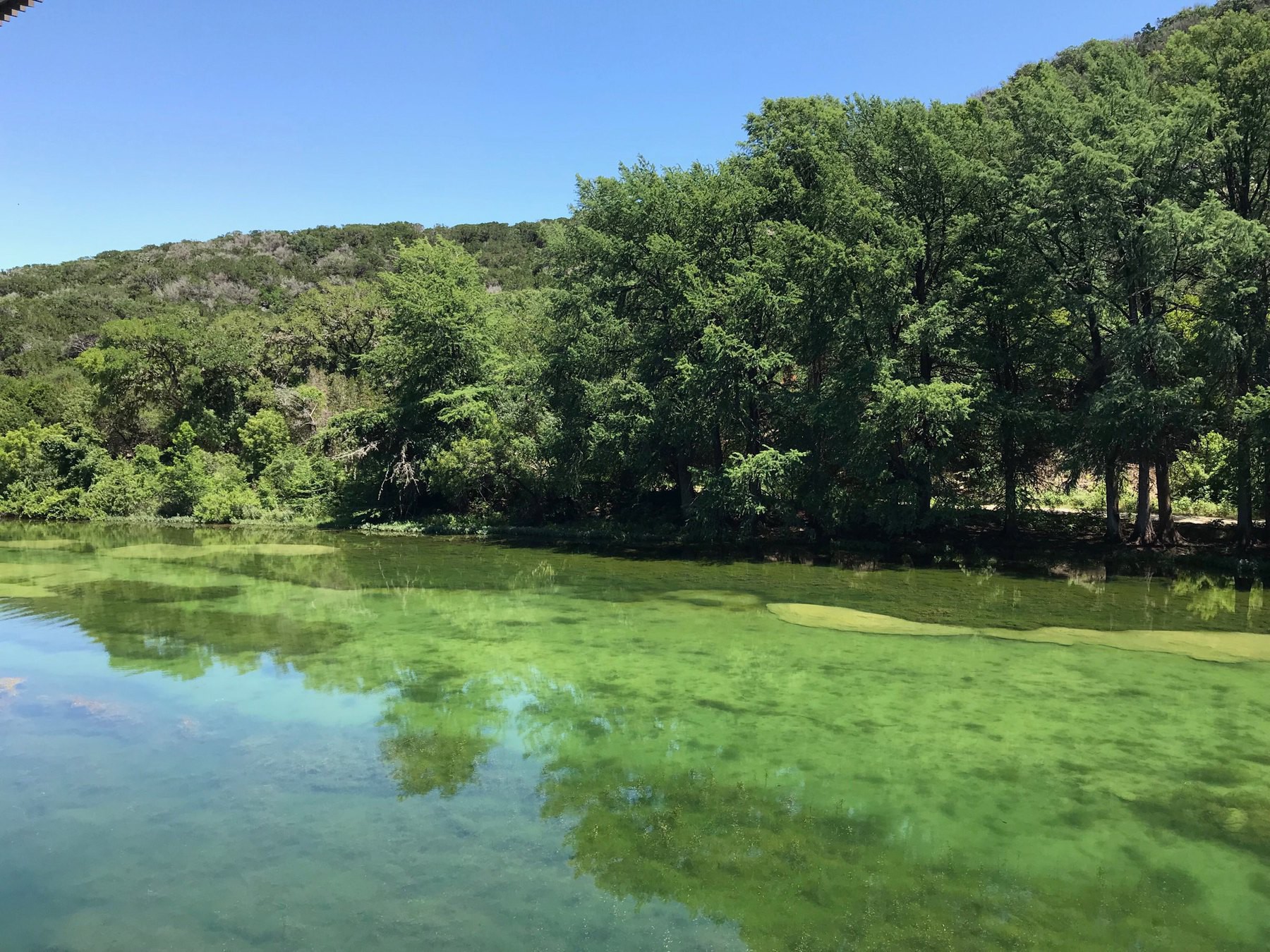
Cliff swallows going to and from their nests.
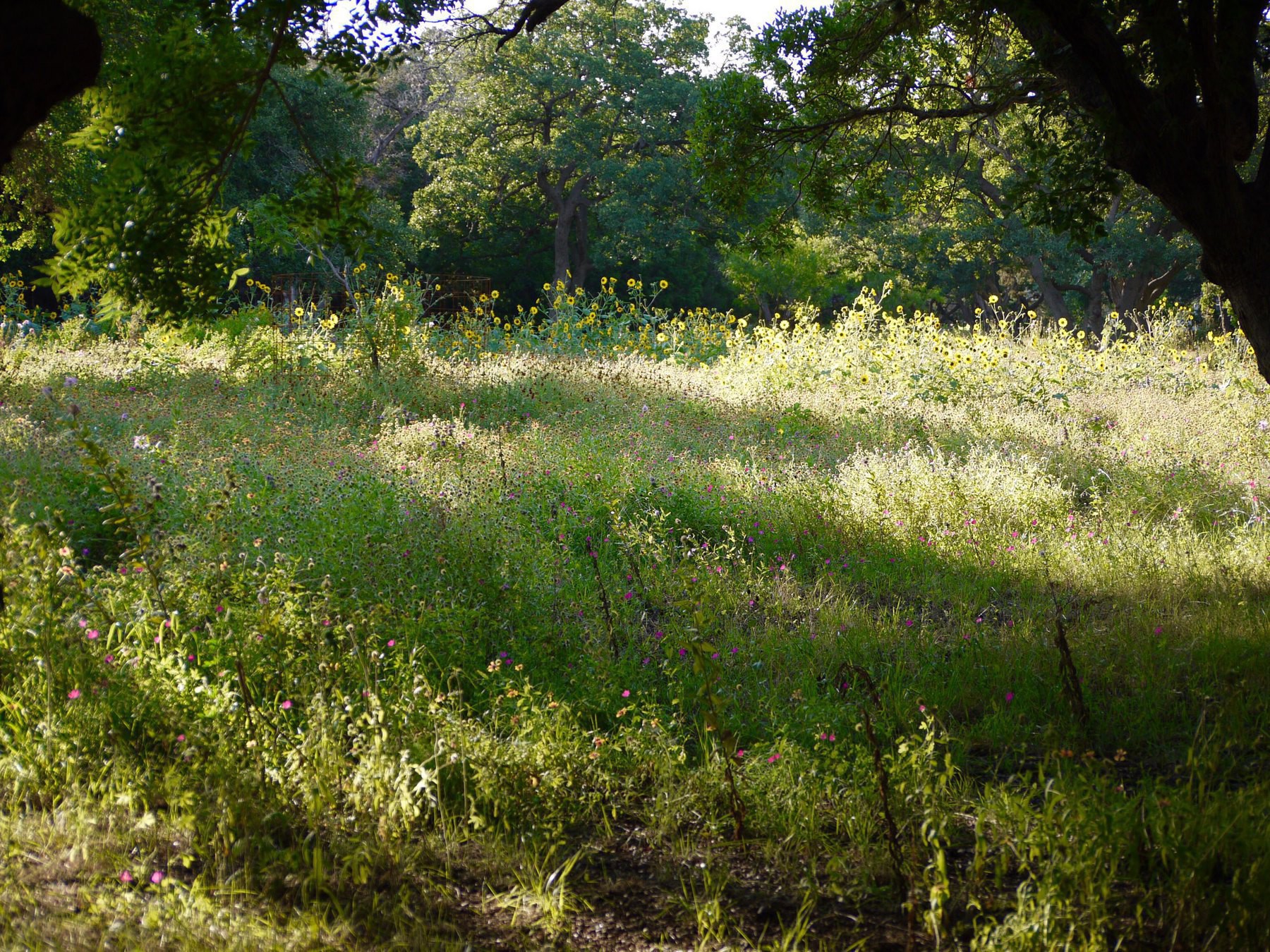
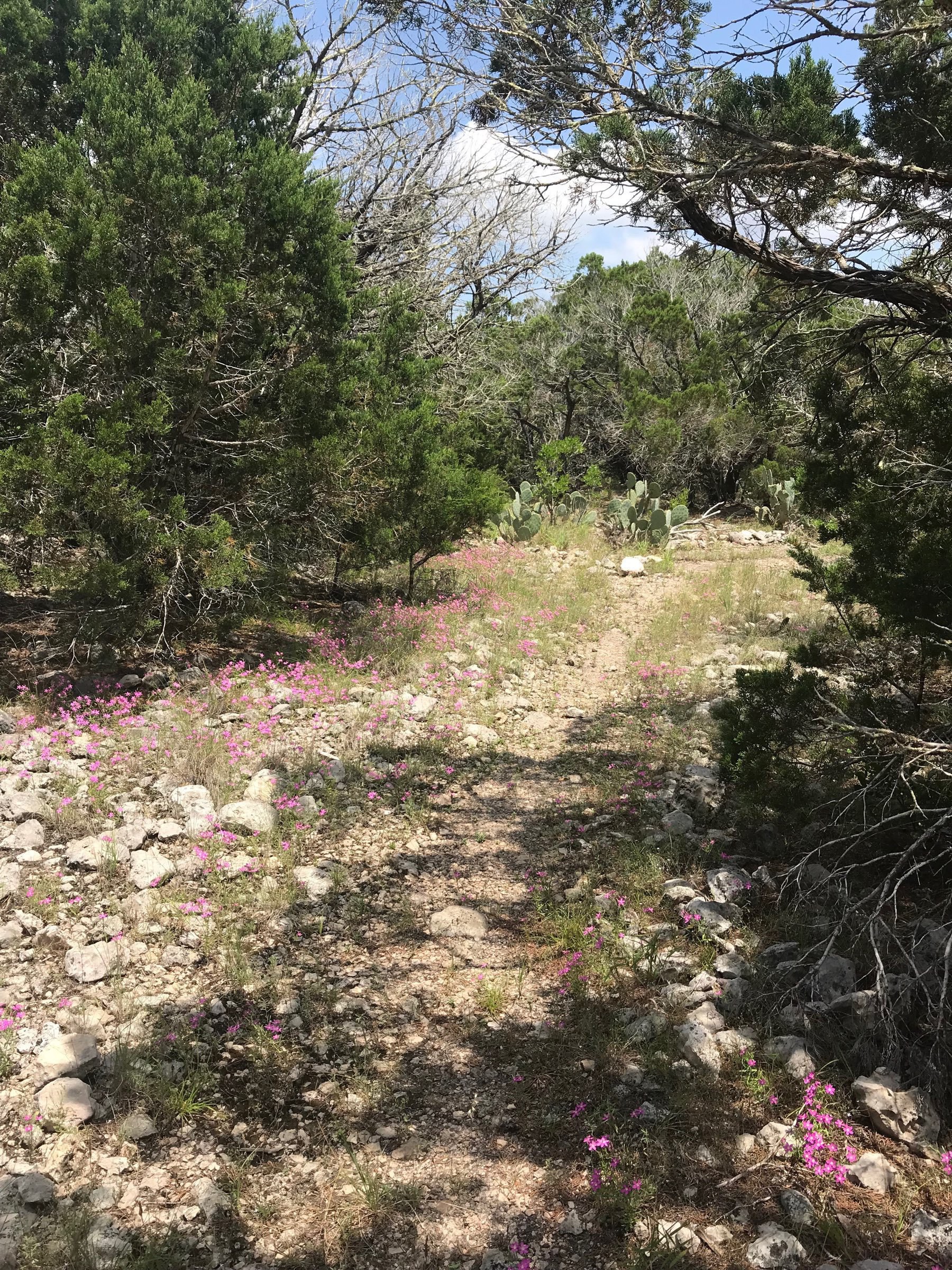
And the flowers strewn across my path.
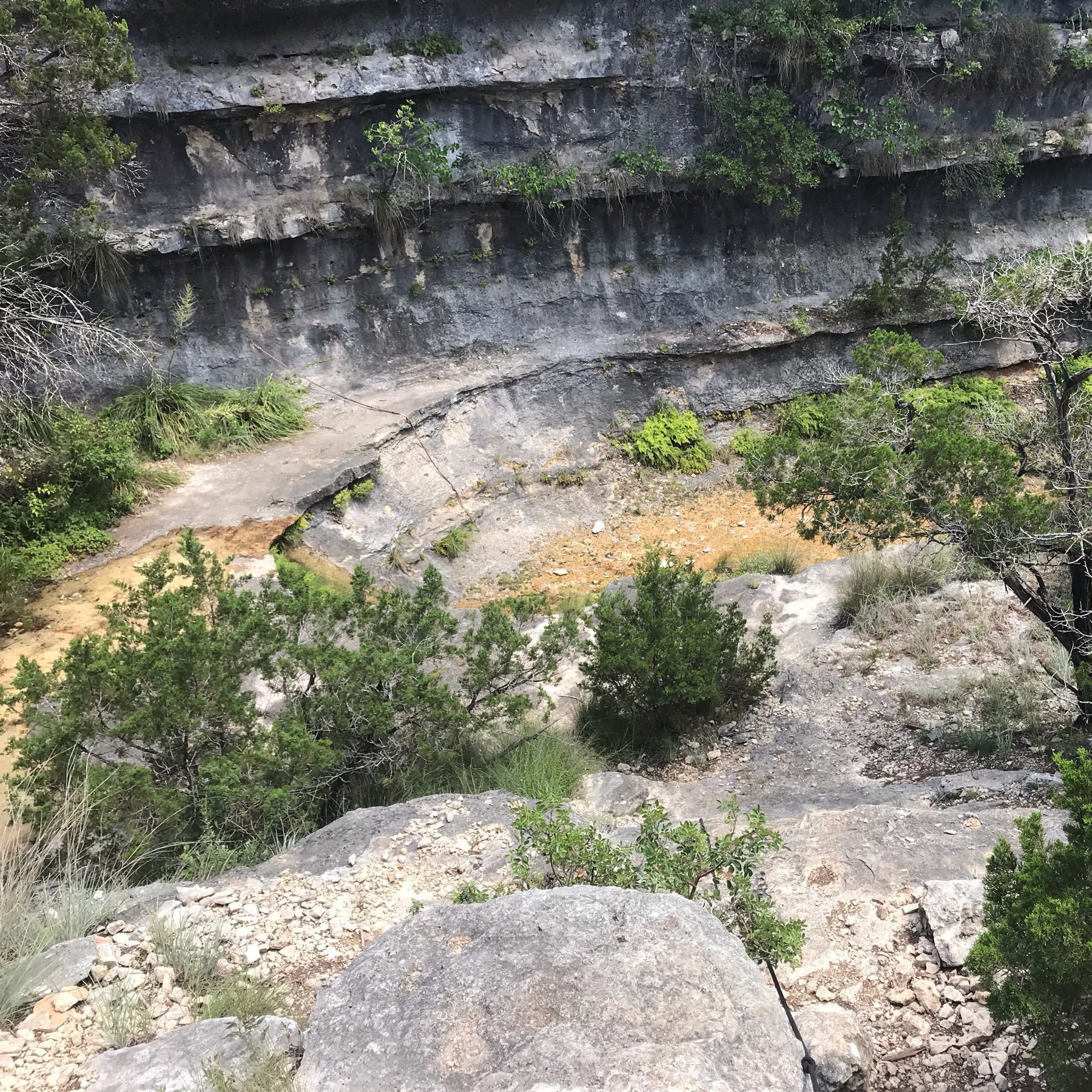
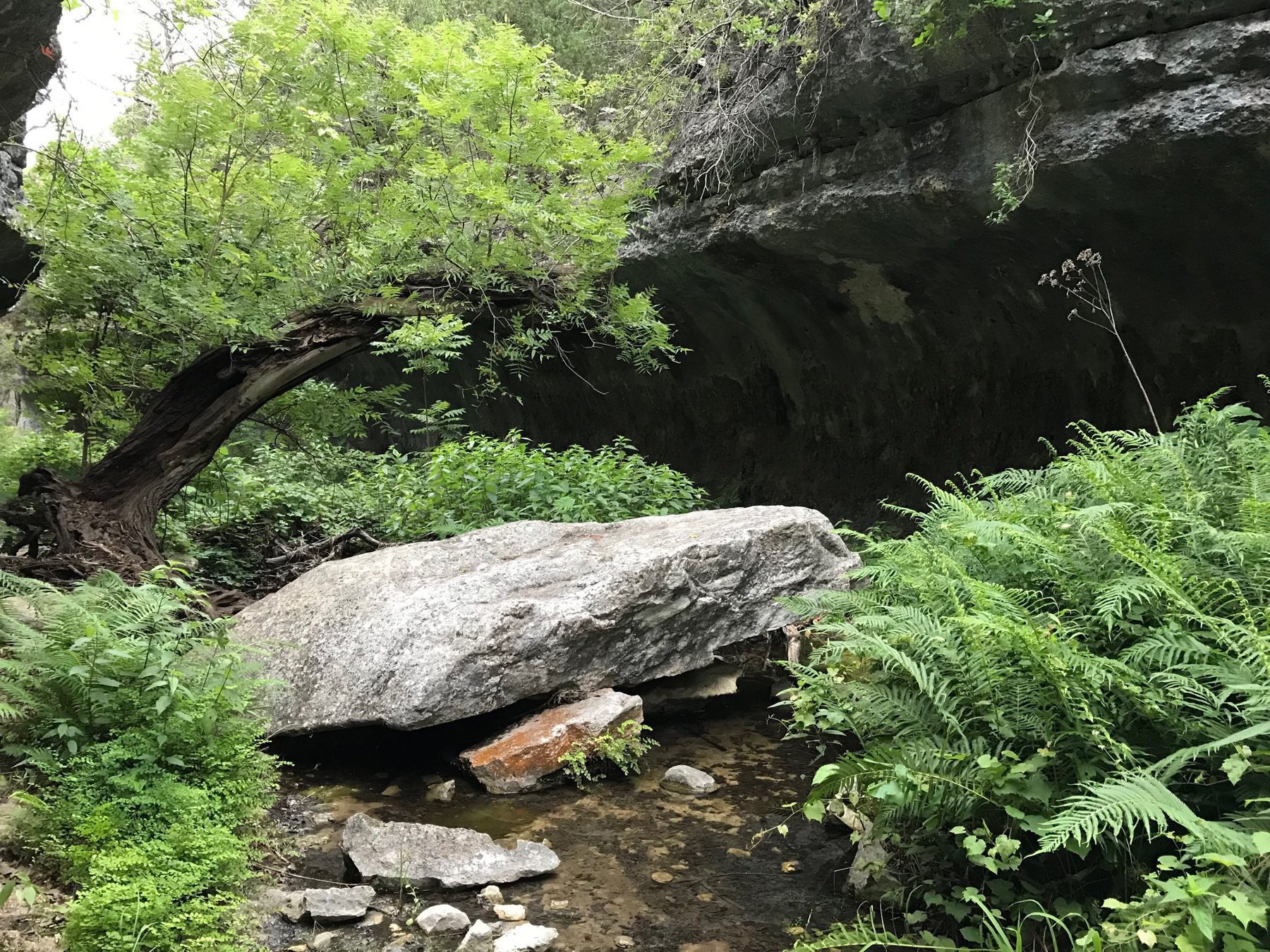
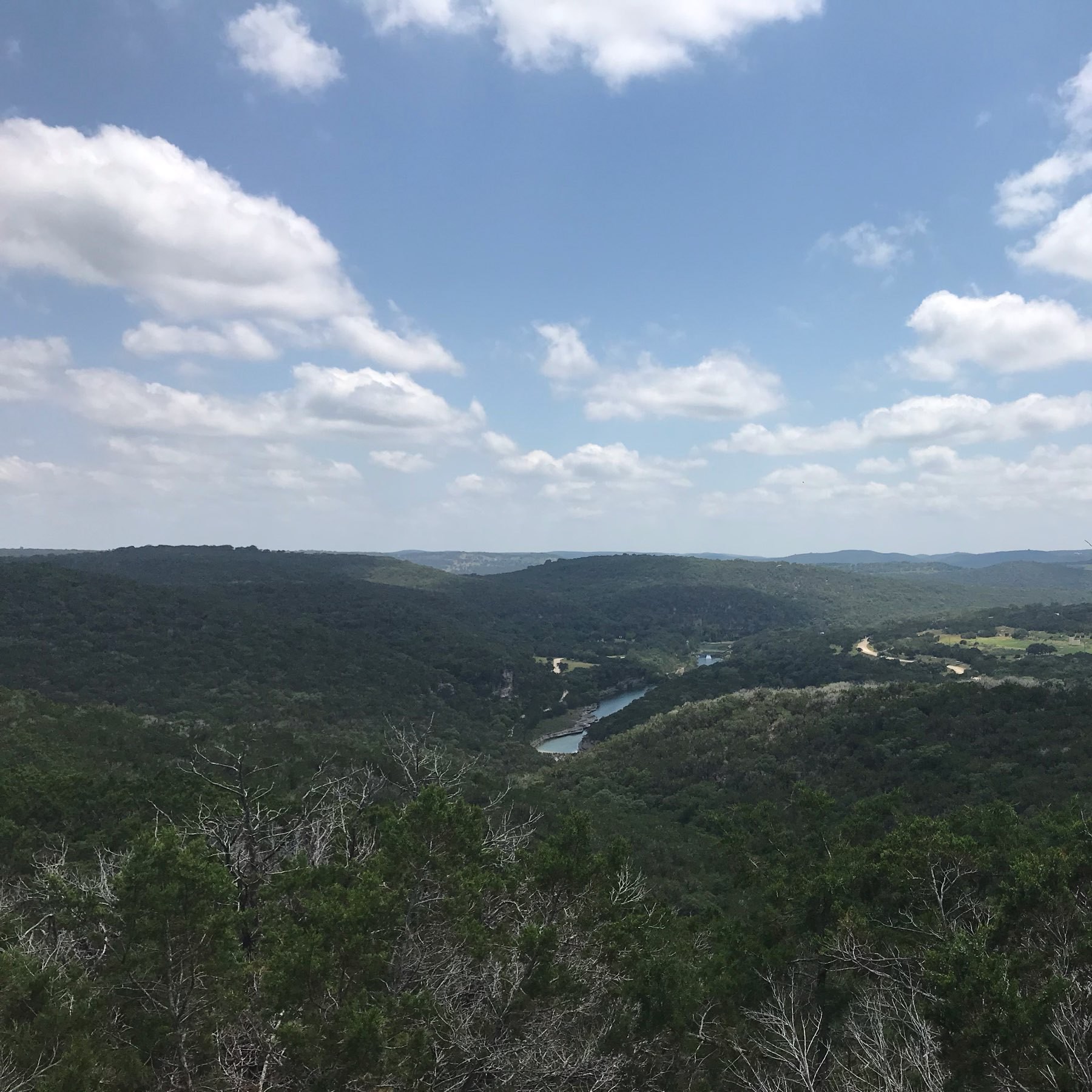
It was all worth it for the views.
And of course I did it, I’m a manly man
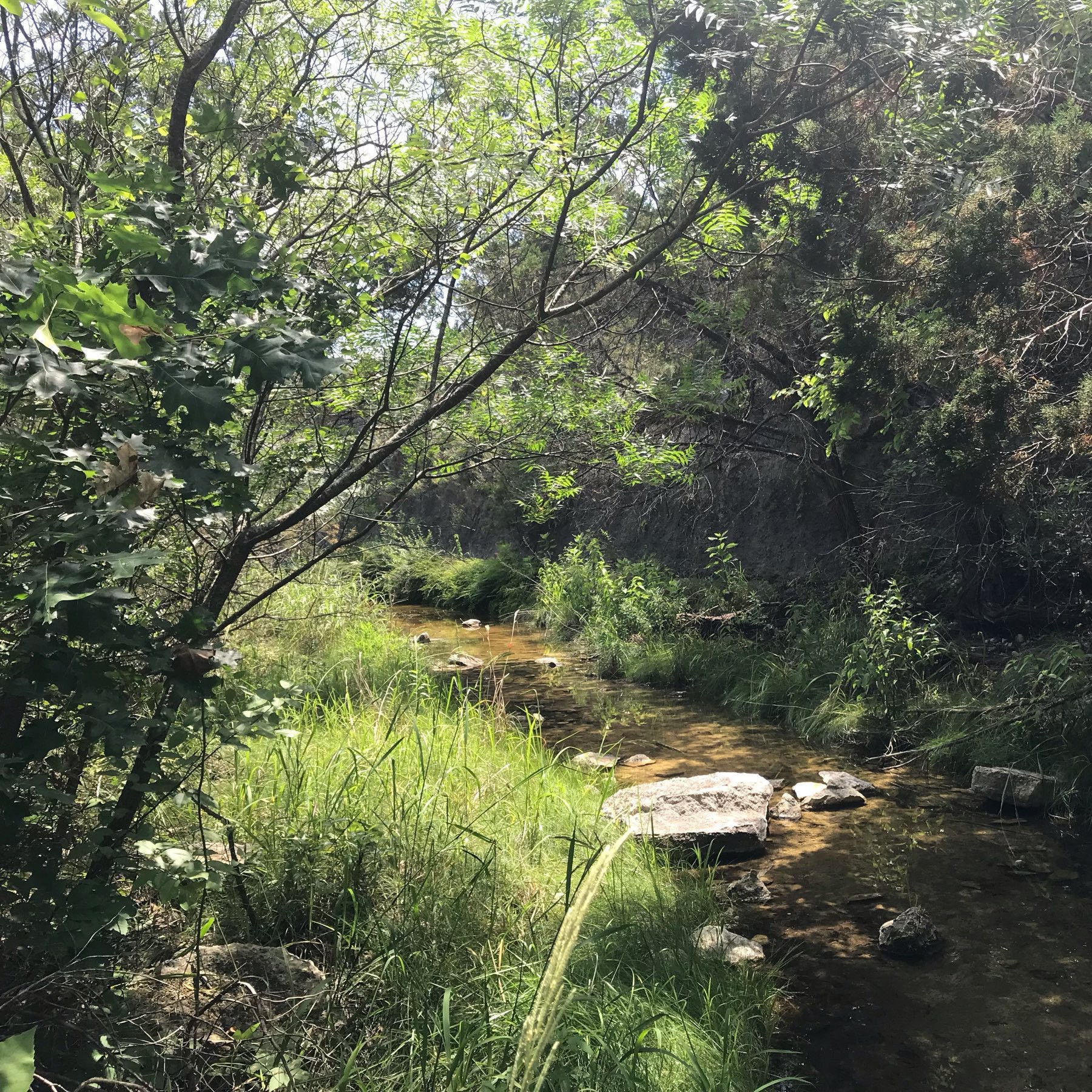
They said the trail is “a little technical in places,” but I didn’t know that meant I’d have to use ropes to get myself down to the canyon floor.