
the power of priors
Remembered today as an escape artist who was one of the first Hollywood stuntmen, Houdini was equally well known during his lifetime for his campaign against spiritualism. Houdini’s repertoire of magic tricks placed him in an ideal position to spot fraud: the ectoplasm often seen to extrude from mediums’ mouths, for example, bore a suspicious resemblance to the act in which he swallowed a needle and thread and showed spectators his empty mouth, only to pull threaded needles out from between his teeth a moment later. Conan Doyle returned the compliment, charging Houdini with surreptitiously drawing on psychic powers. Since there was no natural way for a straitjacketed man to escape from a locked trunk, the only possible explanation was that he possessed an uncanny ability to turn bones into ectoplasm at will.
scissors in the head
And yet the interaction between censors and those they suppress can be complex, as illustrated by an encounter I had with one of these guardians in the late 1970s while I was in exile in Holland. A compilation of my short stories was under contract with Aufbau, a prestigious East German publishing house, so my wife and I crossed into foreboding East Berlin to discuss the final contents with my editor. Over lunch, he explained that only one of the stories would not appear in the collection. Before he named it, I knew it had to be “Reader.” Its protagonist, Don Alfonso, an eagle-eyed censor serving a Latin American dictatorship, receives the manuscript of a treasonous novel whose main character seems based on his own life, revealing his most secret desires. Ultimately, rather than suppressing that story — akin to suffocating his own image in a mirror — he allows it to circulate, putting himself and his son in danger.
Though I may have been naive to think that such a tale could be published under a regime that was restraining speech in the name of the victorious proletariat, I nevertheless trusted that my editor would find a way to include it. He did not lack courage, having fought for the Spanish Republic and then against Hitler, and I knew that he respected literature that was not typical social-realist fare. But when I asked him what was wrong with the story, he cited aesthetic arguments: it was stylistically awkward, not well constructed. Why embarrass him by pointing out that the real reason behind his decision was political, that my fiction, inspired by events in my native Chile, could be construed as criticism of the government to which he had pledged allegiance? He had Schere im Kopf (scissors in the head) — a phrase that Berkowitz quotes about censors in East Germany.
I did not, however, valiantly withdraw my truncated collection from Aufbau. Choosing compromise over confrontation, I opted not to forfeit the rest of the stories by defending one of them. That sort of calculation also forms part of the history of censorship. There are innumerable authors who have accommodated themselves to the strictures of the state or worked their way around them. One cannot fully grasp how the struggle for free expression has developed without taking into account such maneuvers.
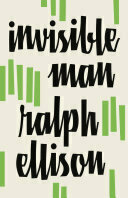
Currently reading: Invisible Man by Ralph Ellison 📚
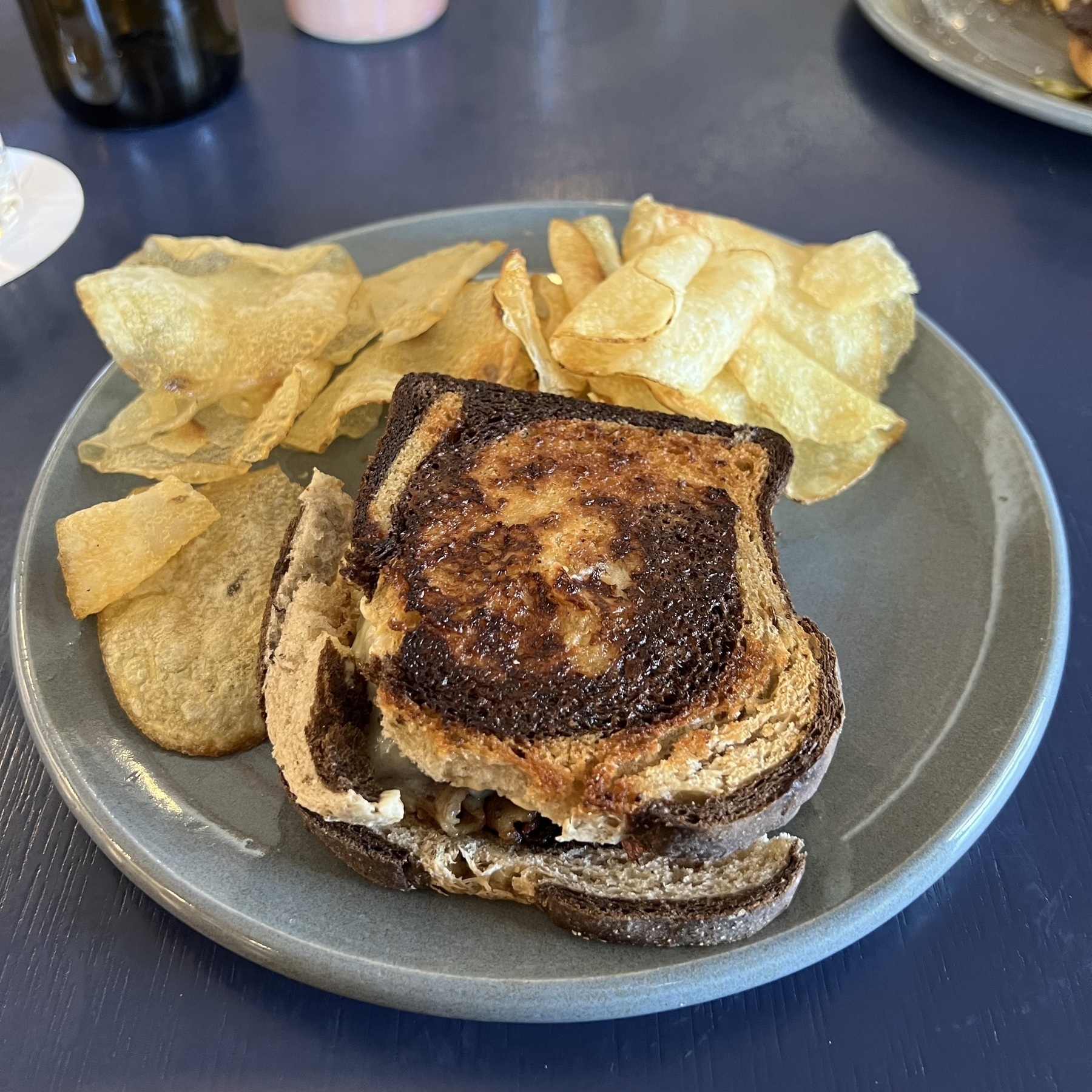
Taken as the tornado sirens sang.

cancel it
Ken White’s post on the problems with defining “cancel culture” — or maybe it’s better to say, the problems with declining to define it — put me in mind of something I wrote a few years back on “exhausted languages”:
Often when I’m grading essays, or talking to my students about their essays, I notice that a certain set of terms are functioning axiomatically for them in ways that impede actual thought. When that happens I will sometimes ask, “How would you describe your position if you couldn’t use that word?” And I try to force the same discipline on myself on those occasions (too rare of course) when I realize that I am allowing a certain set of terms to become an intellectual crutch.
My recommendation: Never, ever use the term “cancel culture.” Speak instead about the specific behavior you either want to reject or endorse.
The Crimson Pirate
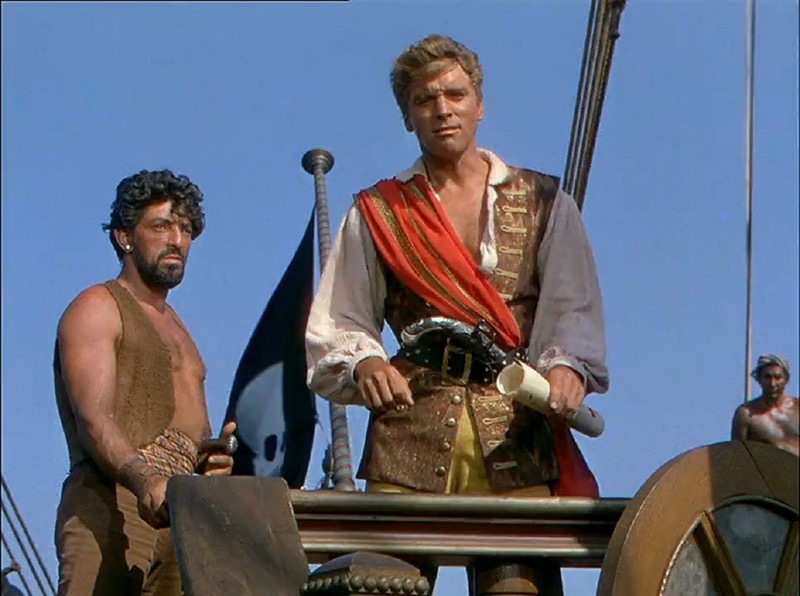
If you want to have a good time, watch The Crimson Pirate (1952). It’s absolutely delightful. Years ago a critic — can’t remember who — described that masterpiece of cinema Nacho Libre as “endearingly ridiculous,” and that description applies to The Crimson Pirate as well.
(Among other things, you get this fellow in a small and uncredited role:
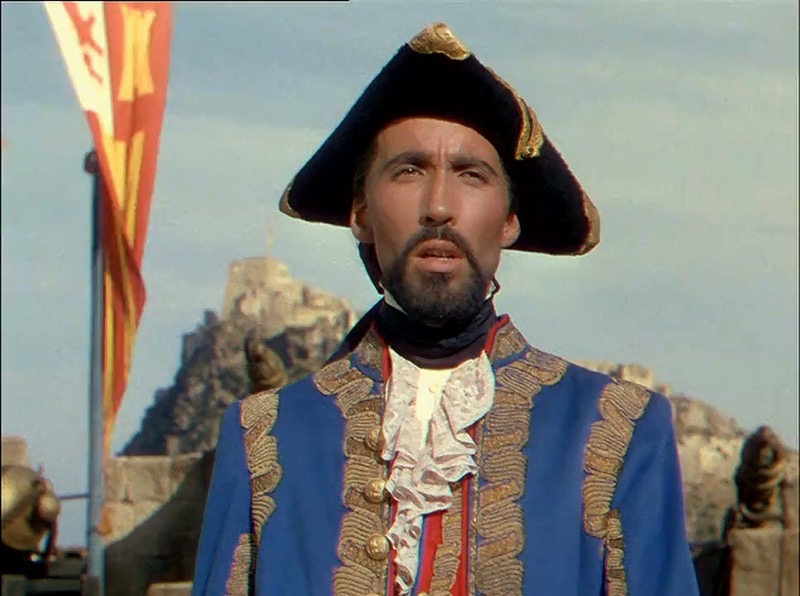
Yep, it’s Christopher Lee!)
That bearded fellow next to Burt Lancaster in the picture at the head of this post? That’s Nick Cravat, who was Lancaster’s old friend and one-time partner in the circus. Burt kept him on his payroll — as his personal trainer, which for all I know was true — for decades, and got him into movies, but typically (and here) in non-speaking parts, because his Brooklyn accent was both thick and utterly ineradicable. Many moviegoers over the years assumed that Nick was actually mute. He’s very funny in this movie, like a muscular Italian Harpo Marx.
But here’s my favorite little fact: The exteriors were mostly filmed on and around the island of Ischia, in the Bay of Naples — which is where Auden lived in the summer months from 1948 through 1957. I love to imagine Auden sitting in a favorite taverna — in those years he developed a love for Negronis, and made a point of having one or two every night before dinner — and looking across the tables to see …

[caption id="" align=“aligncenter” width=“1324”]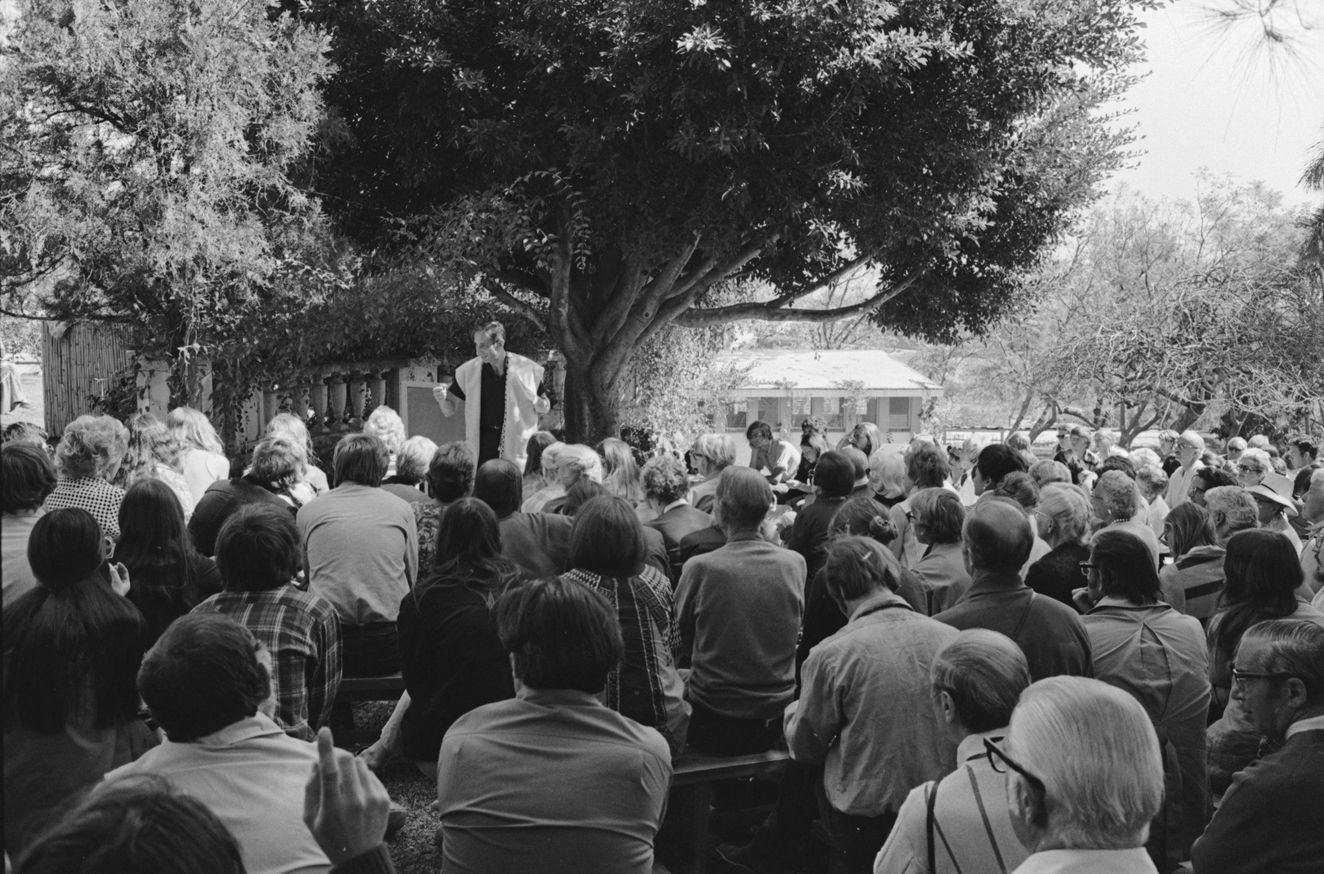 James R. Roberts, Ivan Illich Leading Seminar at the Centro Intercultural De Documentación, Cuernavaca, Mexico, 1971. Courtesy of the Northwestern University Archives.[/caption]
I am huge fan of the wines made by Steve and Jill Matthiasson, and one of their most remarkable products is their sweet vermouth, which is not like anything else I’ve tasted. In a recent newsletter they tell us, graphically, how they make it:

complete control
Allow me to tell you about a memorable scene from Salka Viertel’s compelling memoir The Kindness of Strangers. In their native Austria and later in Germany, she and her husband had worked in films, she as an actress and he as a director. They came to California in the 1920s, planning to stay just a few years, but with the rise of Hitler they decided that — especially since they were Jewish — they could not return. In the Thirties their home would serve as a kind of salon for their fellow refugees, and Salka became an energetic social activist. But her day job was as a screenwriter for MGM. That’s the context for this tale:
Having listened to the Sunday afternoon Philharmonic concert from New York, at which Schoenberg’s Transfigured Night (Verklärte Nacht) was performed, Thalberg decided that Schoenberg was the man to write the score for The Good Earth. Next day the producer Albert Lewin came to my office and asked if I could talk to Schoenberg. I explained that long ago Schoenberg had given up the style of Transfigured Night and had been composing twelvetone music, which I doubted Irving would like. However, I promised to do my best to arrange a meeting. I knew that Schoenberg was having a hard time; he was giving lessons, which took many hours from his own work. I asked him if he would be interested in doing the scoring of Good Earth.Or, in today’s money, half a million clams. So Viertel arranges a meeting, and Schoenberg and his wife duly come to Thalberg’s office at MGM. Viertel, who was there to translate, resumes the narration:“How much would they pay?”
“Around twenty-five thousand dollars, I suppose.”
I still see him before me, leaning forward in his chair, both hands clasped over the handle of the umbrella, his burning, genius’s eyes on Thalberg, who, standing behind his desk, was explaining why he wanted a great composer for the scoring of The Good Earth. When he came to: “Last Sunday when I heard the lovely music you have written....” Schoenberg interrupted sharply: “I don’t write ‘lovely’ music.”Schoenberg departs, with, unsurprisingly, no firm agreement having been reached. Then:Thalberg looked baffled, then smiled and explained what he meant by “lovely music.” It had to have Chinese themes, and, as the people in the film were peasants, there was not much dialogue but a lot of action. For example, there were scenes like that where the locusts eat all the grain in the fields which needed special scoring, and so on. I translated what Thalberg said into German, but Schoenberg interrupted me. He understood everything, and in a surprisingly literary though faulty English, he conveyed what he thought in general of music in films: that it was simply terrible. The whole handling of sound was incredibly bad, meaningless, numbing all expression; the leveling monotony of the dialogue was unbearable. He had read The Good Earth and he would not undertake the assignment unless he was given complete control over the sound, including the spoken words.
“What do you mean by complete control?” asked Thalberg, incredulously.
“I mean that I would have to work with the actors,” answered Schoenberg. “They would have to speak in the same pitch and key as I compose it in. It would be similar to ‘Pierrot Lunaire’ but, of course, less difficult.”
After a pause Thalberg said: “This is a remarkable man. And once he learns about film scoring and starts working in the studio he’ll realize that this is not like writing an opera.”“You are mistaken, Irving,” I said. “He’ll invent a revolutionary kind of scoring.”
“He’ll write the music on my terms, you’ll see.”
Next morning Trude Schoenberg telephoned me that the price of prostitution had doubled. For his complete control of the film, including the dialogue, Schoenberg was asking fifty thousand, otherwise it was not worth his time and effort.
