
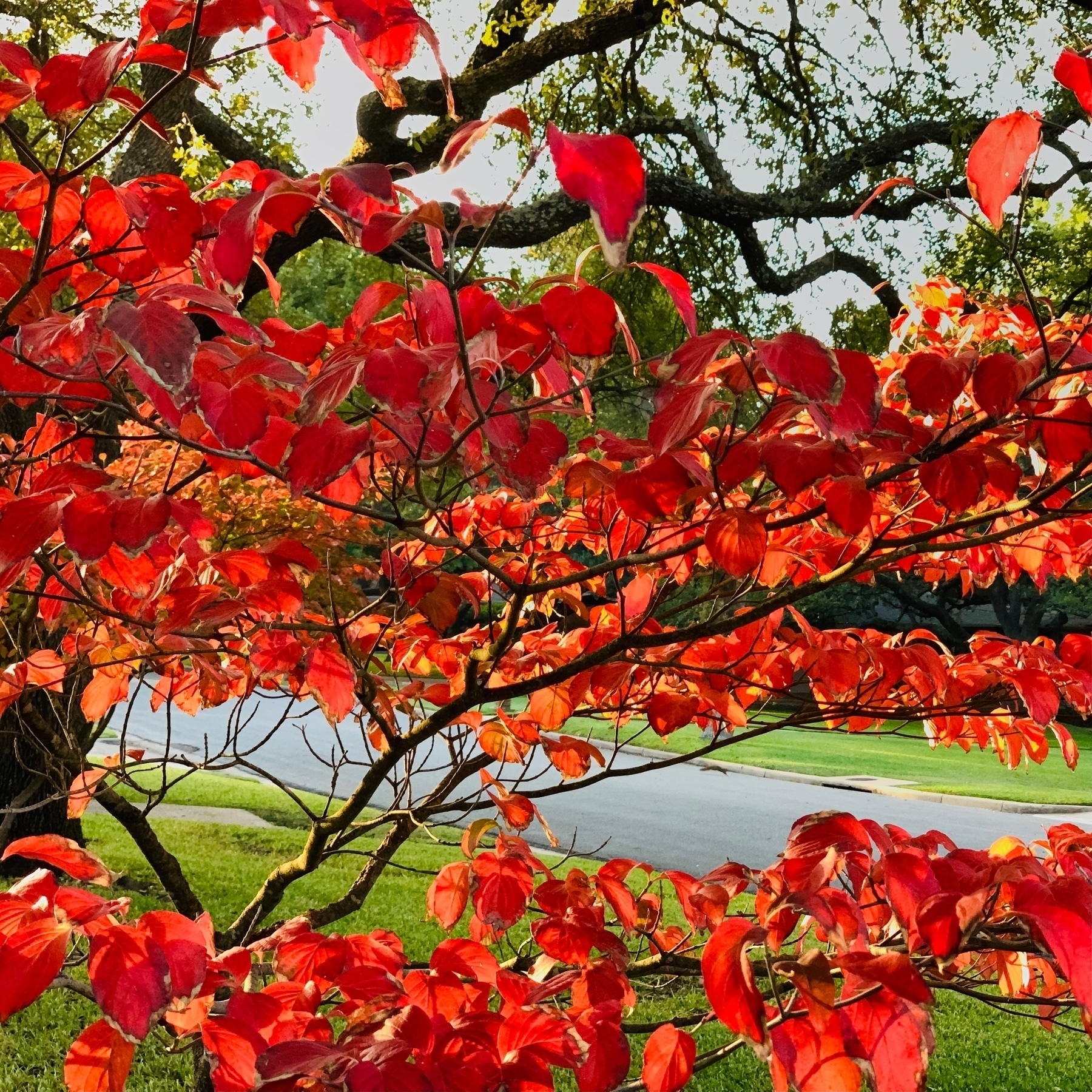
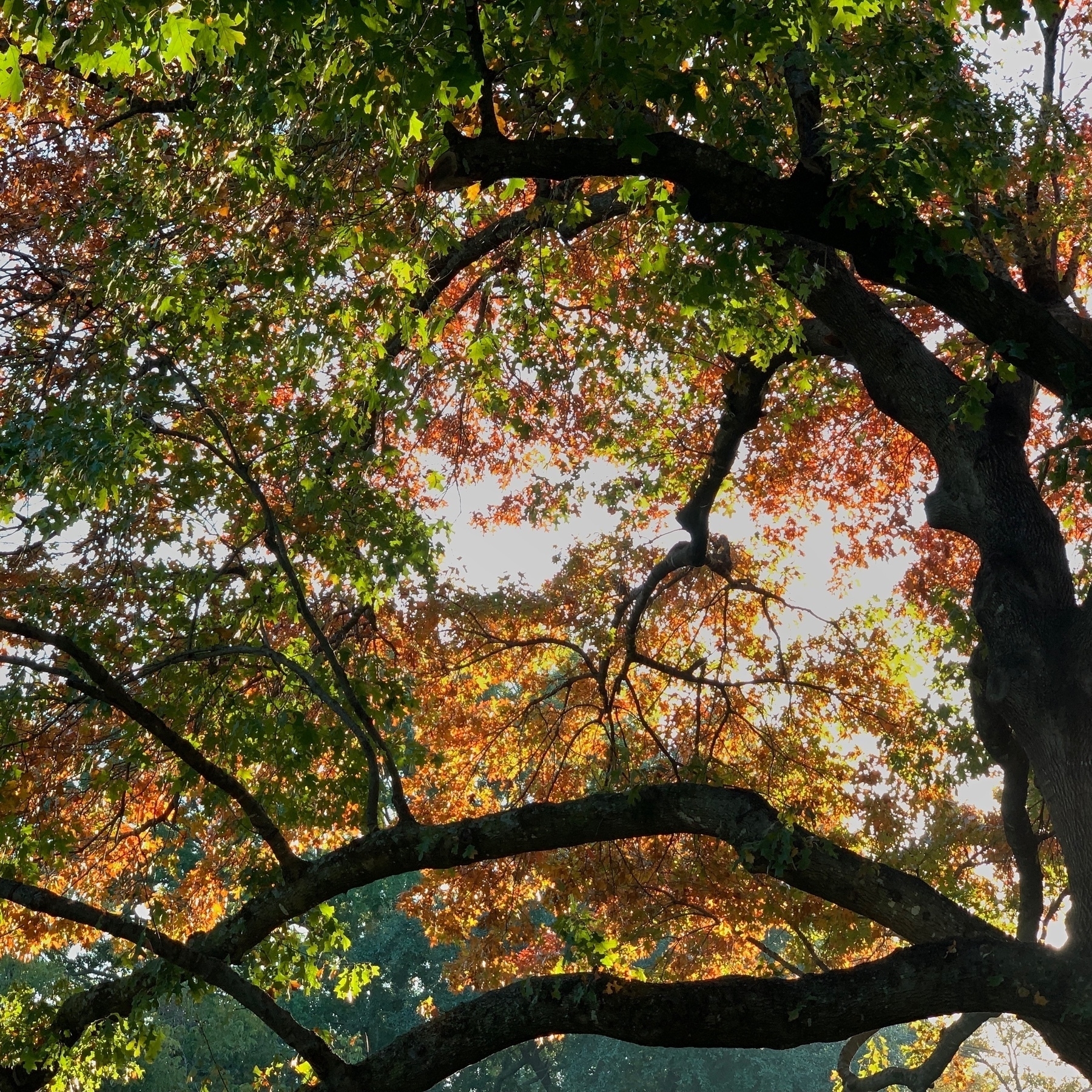

back to the urbs
Many years ago I wrote a post about living in a suburb — Wheaton, Illinois — but having a life that in many ways felt more like what city life is supposed to be:
For people like me Wheaton doesn’t feel like a suburb at all, and many aspects of my life sound kinda urban. My family and I live in a small house – with one bathroom, for heaven’s sake – and have a single four-cylinder car. I walk to work most days, frequently taking a detour to Starbucks on the way. From work I often walk to Wheaton’s downtown to meet people for lunch, or, at the end of the day, to meet my wife and son for dinner. Drug stores and a small grocery store are equally close; I even walk to my dentist. I also like being just a short stroll from the Metra line that takes me into Chicago, just as Chicago residents like living just a short stroll from the El. And I know many other people who live in much the same way.The point of my post is that the common opposition between “city life” and “suburban life” obscures many vital distinctions and gradations.
I don’t live in a suburb any more, I live in a city. But because the city I live in — Waco, Texas — has 125,000 people rather than millions, it’s not the kind of place that people refer to as urban when they talk about “America’s urban-rural divide.” For example, here is a piece by Eric Levitz that uses the binary opposition in the conventional way, or what seems to me to be the conventional way. I can’t be certain, but I strongly suspect that Levitz thinks that people who live in cities the size of the one I live in — especially if those cities are south of the Mason-Dixon Line — are “rural.” But they aren’t. Even if we don’t think or vote like New Yorkers.
When people talk about “the urban-rural divide in America,” I think what they usually mean is “the divide between people who live in megacities and people who live everywhere else.”
weakness and isolation
Two random, one relatively significant and one relatively trivial, thoughts on this op-ed by Ian Marcus Corbin. The more significant one first. Corbin writes,
Most stroke patients ultimately remain able to get around, leave the house and socialize, albeit more slowly and awkwardly than before. But they often require extra time and help with things that used to be easy and fluid. Here is where they need their family, friends and acquaintances to rally around them. The worst thing for them, medically speaking, is to be isolated.
Unfortunately, studies show that stroke patients’ networks tend to contract in the wake of a stroke. Why? The causes are not perfectly clear, but we can say this: Too often in America, we are ashamed of being weak, vulnerable, dependent. We tend to hide our shame. We stay away. We isolate ourselves, rather than show our weakness.
I suppose we can say that, but is it true? My experience suggests that when people suffer their social networks contract because others don’t want to be around them. Sometimes the withdrawal arises from a lack of compassion, but more often, I think, because we find it awkward to deal with suffering: We don’t know what to do or say, and we’re afraid that we’ll do or say the wrong thing. To assume, as Corbin does, with no discernible evidence, that people self-isolate out of pride seems like a classic case of blaming the victim.
The second point is trivial but, I think, interesting. Corbin again:
The anthropologist Margaret Mead was once asked to identify the earliest material sign of human civilization. Obvious candidates would be tool production, agricultural methods, art. Her answer was this: a 15,000-year-old femur that had broken and healed. The healing process for a broken femur takes approximately six weeks, and in that time, the wounded person could not work, hunt or flee from predators. He or she would need to be cared for, carried during that time of helplessness. This kind of support, Dr. Mead pointed out, does not occur in the rest of the animal kingdom, nor was it a feature of pre-human hominids. Our way of coping with weakness, as much as our ingenious technologies and arts, is what sets us apart as a species.
Over the past few years this has become an oft-told tale, but there’s no real evidence that Mead ever said this.

Leaves just beginning to turn, but the autumn light angles are here.
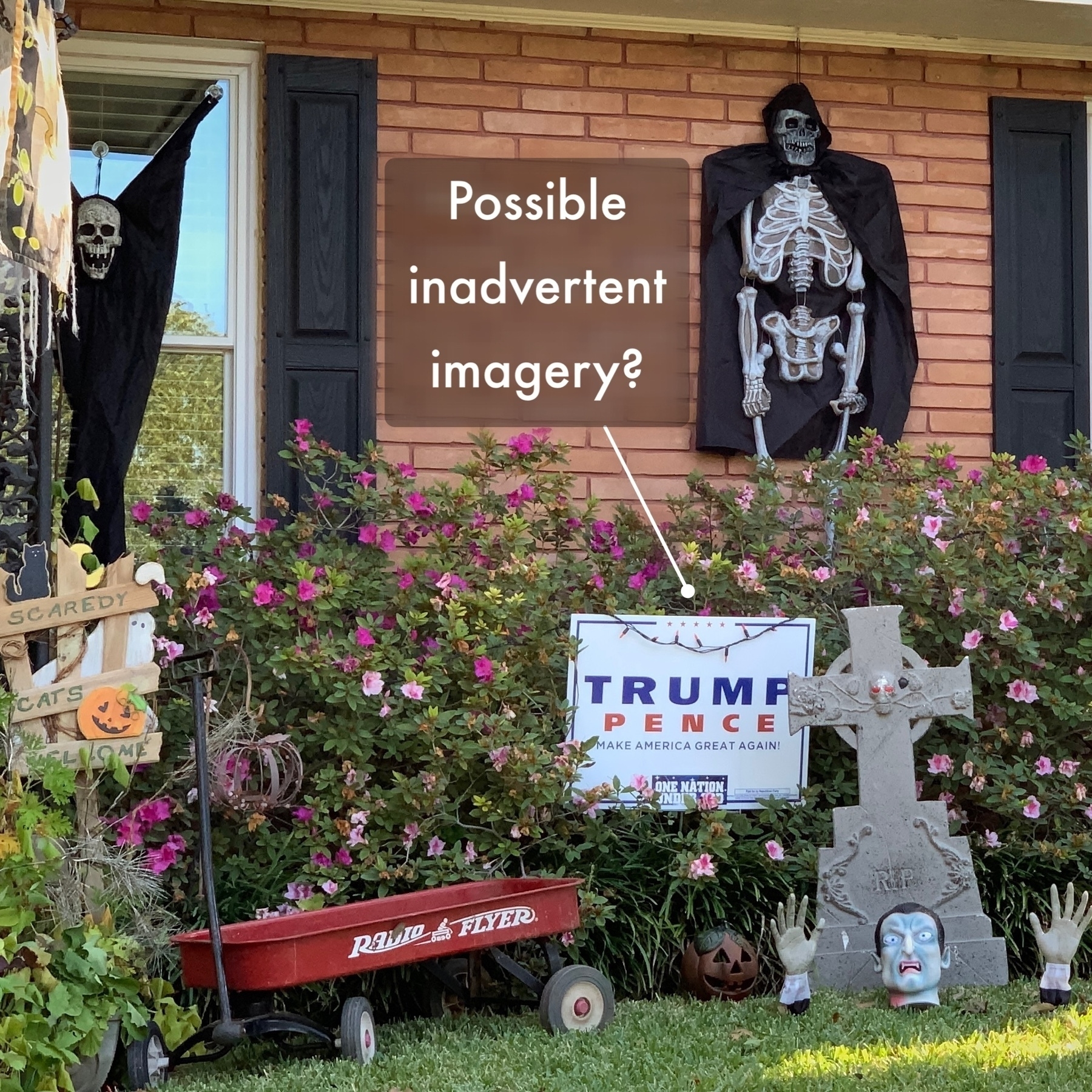
I think we’re all bozos on this bus
For the last few weeks I’ve been tinkering with a draft of a post on American incompetence — on the basic inability of almost everyone in this country simply to do their jobs. That was time ill spent, because Kevin Williamson has performed the task it for me, and done it well:
It is easy to see the advantage of offering not ideology or even innovation but bare competence — competence is an increasingly rare commodity in American life. Consider the 21st century so far: the intelligence and security failures that led to 9/11, the failure to secure American military and political priorities in Afghanistan and Iraq, the subprime-mortgage boom that sparked the financial crisis of 2008–09 and the subsequent recession, business bailouts, the failures and abuses of American police departments and the riots and arson that have accompanied them, the COVID–19 epidemic, the troubles in the universities, the fecklessness and mischief of the big technology companies, the political failure to deal with serious issues from illegal immigration to environmental degradation, American frustration at the rise of China as a world power and the geopolitical resurgence of such backward countries as Turkey and Russia, the remorseless piling up of the national debt and unfunded entitlement liabilities, bankrupt and nearly bankrupt cities and public agencies — the list goes on. Americans are not wrong to question the competence of American government and American institutions, nor are they alone in doing so: The rest of the world is reevaluating longstanding presumptions of American competence, too.And furthermore:
If things go wonky on Tuesday, if the presidential election goes unresolved and the subsequent contest is marked by political violence and civil disorder, American credibility will slide further still. In the event of an electoral crisis, we will be forced to rely on institutions that already have been tested and found wanting: Congress, many state governments, the news media, the professional political caste. And Americans will turn for information and insight … where, exactly? Twitter? Facebook? Fox News? Talk radio? The New York Times? Even the police upon whom we rely for basic physical security have shown themselves all too often unable or unwilling to perform their most basic duties.What we need as a nation, more than anything else I can think of, is a recommitment to basic competence, and, especially, a refusal to accept ideological justifications for plain old ineptitude. Too often Americans give a free pass to bunglers and bozos who belong to their tribe. We have for decades now operated under the assumption that our material and social world will function perfectly well on its own even if we cease to attend to it. It won’t.