
A teacher may get good, even astounding, results from his pupils while he is teaching them and yet not be a good teacher; because it may be that, while his pupils are directly under his influence, he raises them to a height which is not natural to them, without fostering their own capacities for work at this level, so that they immediately decline again as soon as the teacher leaves the classroom.

Cultivating unsettledness about biblical language and unsettledness about our own—these are good reasons for studying Hebrew and Greek. But perhaps the best reason is the most obvious: reading in the original languages slows us down, and reading the text more slowly is essential for learning to love the Bible. As we know from other areas of experience, giving careful attention is not just an outcome of love; it is part of the process of growing in love. We love best those for whom we are obligated to give regular, often demanding, care: a child, an animal, a sick or elderly person, a plot of land or an old house. Inching patiently through the Greek or Hebrew text is best seen as ‘an act of charity’—ultimately, charity toward God. Poring over every syllable, frustration notwithstanding, we affirm the ages-old conviction of the faithful that these words of Scripture are indeed ‘some molten words perfected in an oven seven times.’
The fact that I, a practicing neuroscientist, can openly admit to giving a shit about the human side of neuroscience without fearing “outing” myself as a soft thinker is in no small part due to artistry of Dr. Sacks’ blend of scientific rationality and human empathy. That’s an incredibly difficult line to walk when you’re faced with the existential reality that the very thing that makes us who we are can be changed in some way — for example by neurological trauma or injury — and can therefore change basic aspects of our perception and personality.
Dr. Sacks, through sheer force of compassion, reminded us, as a scientific field, that the very thing that makes neuroscience most frightening — its ability to expose our humanness as being tied to our physical self — is also why it’s so important for us to pursue it. The promise of neuroscientific advancement is the reduction of suffering, and in many ways Dr. Sacks was our empathic lighthouse in the scientific storm of advancement, guiding us toward that humanistic goal.
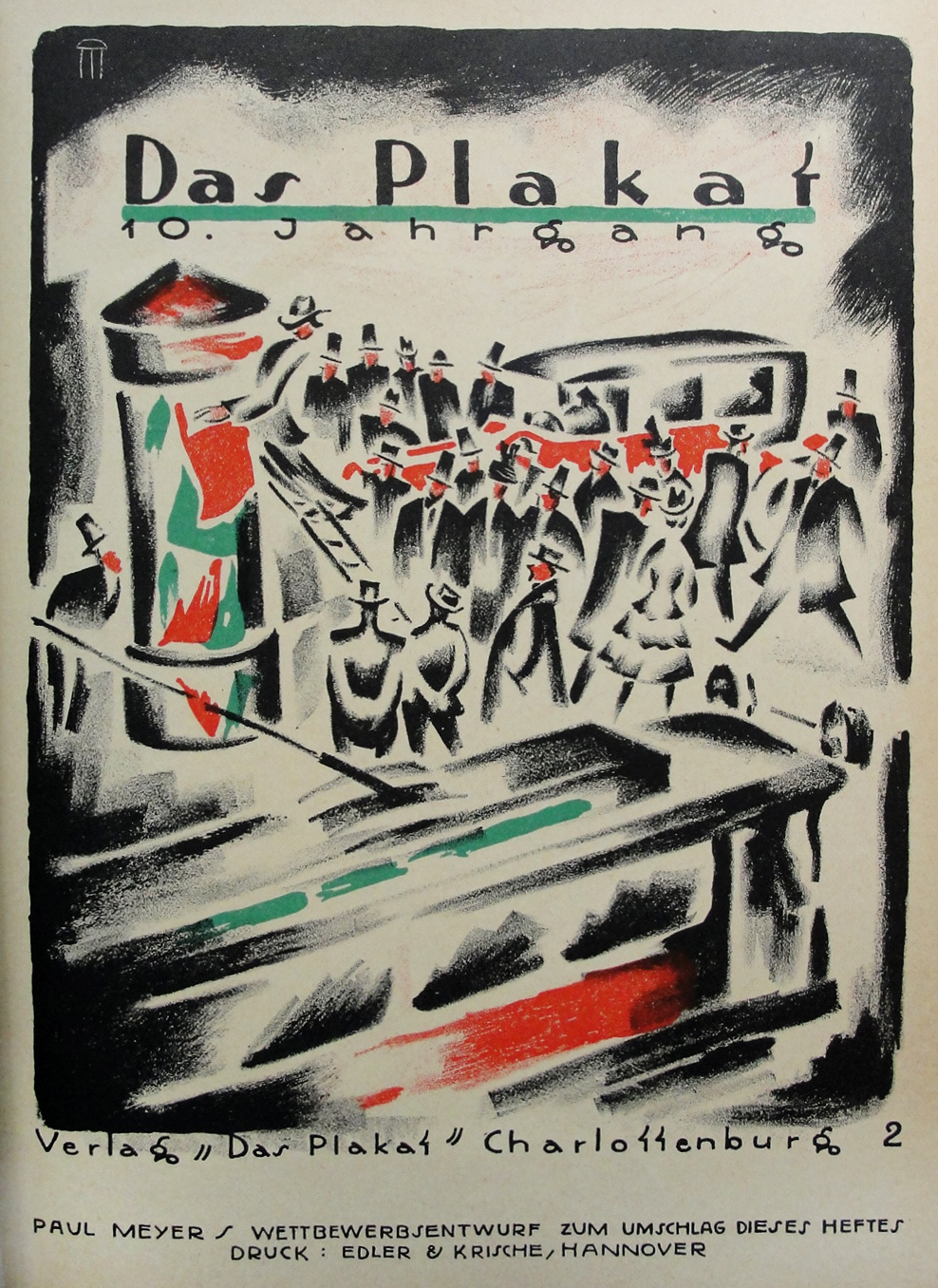
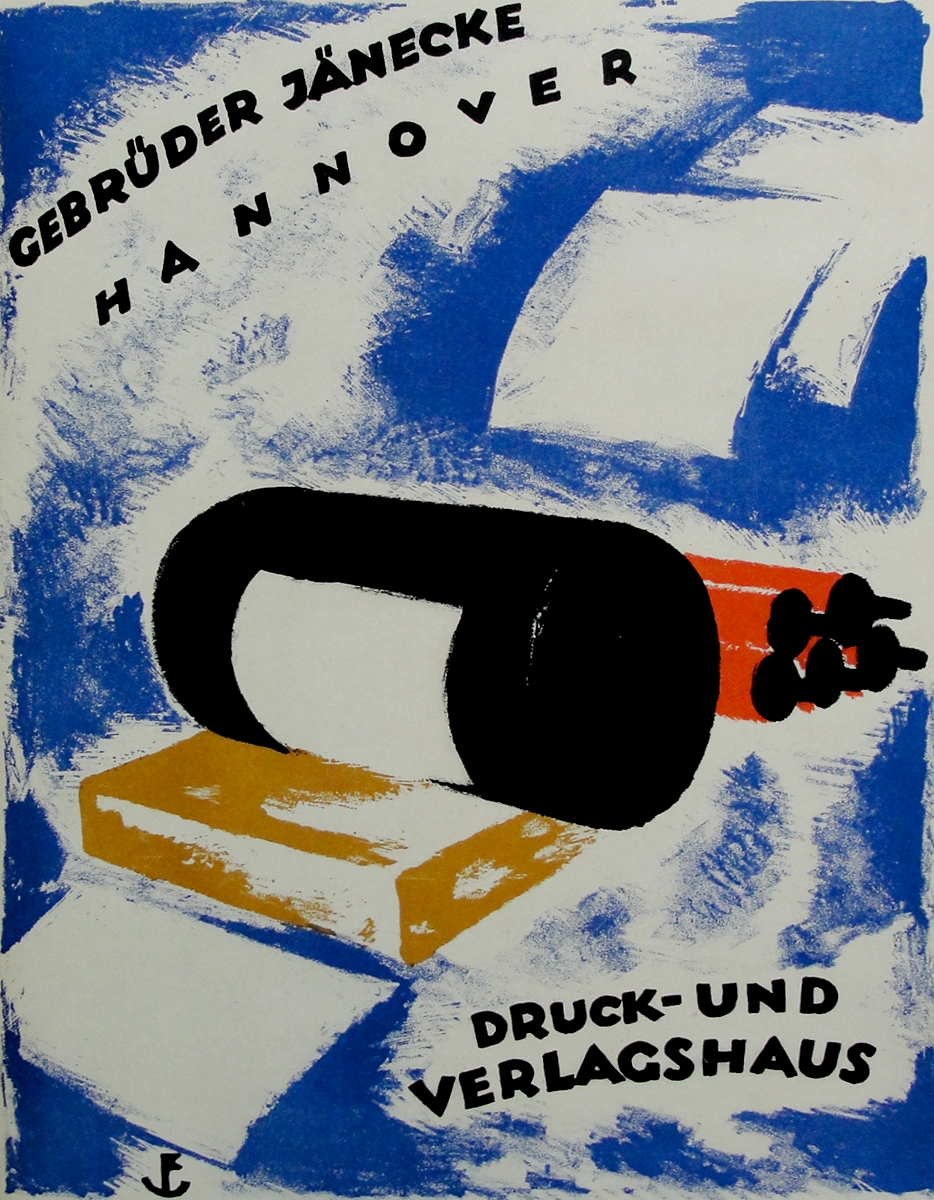
[gallery columns=“1” size=“full” ids=“17888,17889,17890,17891”]
A look at the production and dissemination of posters from Das Plakat.Read about the history of Das Plakat in Steven Heller’s U&lc article, Das Plakat: the voice of German poster design (1910-1921).


If you don’t wash your hands, your health is at the mercy of the filthiest person in your dorm. If you don’t wear earplugs, your sleep is at the mercy of the dorm’s biggest asshole.
[gallery columns=“1” size=“full” ids=“17895”]
Men blast granite to build tunnels for a hydroelectric project in Australia, 1963. Photograph by Robert B. Goodman, National Geographic Creative


It’s ironic, I guess, that the strangeness, alienation, and terror that Franzen (sort of) wants to chronicle are busy revealing themselves all day long on the Internet, which Franzen is so determined to reject. An hour on Twitter is a more harrowing and affirming plunge into the ocean of the age than three days reading Purity. Many of us who feel this deeply, who are nearly overwhelmed by the dissonance Franzen’s novels merely frown toward, are on there a lot, and we could possibly tell him something. Or maybe not; in any case, he isn’t listening.
Journalism follies, Catholic edition
Pope Francis has done a big, big thing: he has made it dramatically easier for women who have had abortions to be reconciled to the Church. But take a look at this NBC News headline: “Pope Francis: Priests Can Forgive Abortion If Women Are ‘Contrite’" — as though before this papal statement contrite women could not have received forgiveness!
The distinction between making forgiveness — more accurately, reconciliation and restoration to Communion, but even I won’t be a stickler for that — easier and making it possible is an important one and easy to grasp, but a reputable religion journalist insisted to me on Twitter this morning that such headlines are perfectly accurate and that my questioning them shows my ignorance of Catholic doctrine.
Apparently the BBC doesn’t agree with him, because the headline and article they posted earlier —
Pope Francis temporarily allows forgiveness for women who have had abortions http://t.co/vYWpxK4Tqe pic.twitter.com/fPHis5rJHM
— BBC News (World) (@BBCWorld) September 1, 2015
— has been revised: “Pope on abortion: Francis relaxes forgiveness rules." Which is a big improvement in accuracy, though at least one, ahem, reputable religion journalist will think it wholly unnecessary.
Why defend the indefensible? The NBC and the original BBC headlines are plainly and simply wrong, and the stories accompanying them are factually wobbly at their best and in several places incorrect. So why say otherwise? An ideological axe to grind? Misplaced professional solidarity?
Who knows? What matters is that religion reporting in the MSM continues to be astonishingly poor, and that won’t be fixed if people in the business who know better won’t be truthful about the problem.