Reading

Finished reading: A Sudden Flicker of Light: A Revisionist History of Movies by David Thomson. Thomson is the best living writer on the movies, but this is his worst book, by miles. He seems to be judging movies for what was done to us by TV and the internet. Dyspeptic without being insightful. 📚
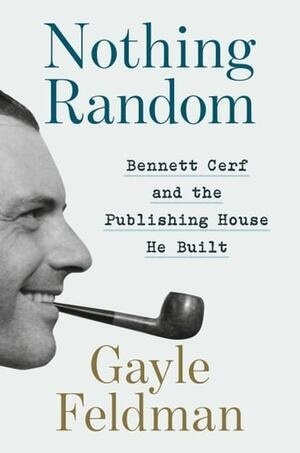
Currently reading: Nothing Random: Bennett Cerf and the Publishing House He Built by Gayle Feldman. Gonna be working on this one for a while. 📚
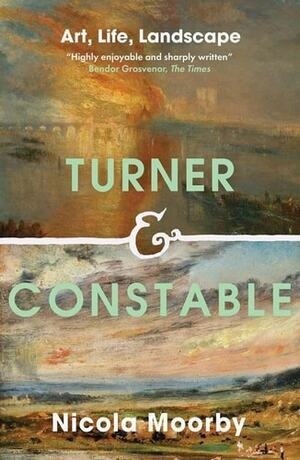
Finished reading: Turner and Constable: Art, Life, Landscape by Nicola Moorby. A wonderful book, especially fine on how each painter was moved by rivers: Turner the great Thames, Constable the humble Stour. Now I’m desperate to get back to London to see their paintings again with fresh eyes. 📚

Finished reading: Don’t Call It Art 10 Ways to Create Like a Kid Again by Austin Kleon. Just a terrific book, I think Austin’s best — and exactly what I need right now as I contemplate a big change in my life a year down the road. This will be my guidebook, or rather my anti-guidebook, since if there’s one lesson everyone should learn from this book it’s how sad it is to know where you’re going. 📚
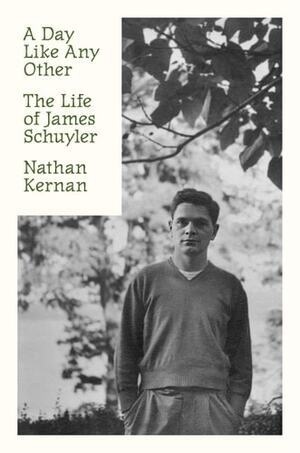
A Day Like Any Other: The Life of James Schuyler by Nathan Kernan is a very good biography, but it (inadvertently I think) raises an interesting question. Late in life Schuyler (a) achieved stability of mind and daily life and (b) became a regular churchgoer. The unasked question is whether those two developments were related, and if so, how. 📚
I tried listening to A Day Like Any Other: The Life of James Schuyler on Audible, but the A.I. narrator drove me crazy and I had to stop and switch to text. (It’s an outstanding book!) I persisted as long as I did because I’ve been dealing with eyestrain, but the strange stresses and mispronounced words — foreign names are especially bad: Proust is pronounced Prowst, Rilke Rilk, etc. — eventually broke me. I’ve canceled my Audible account: the practice of giving A.I. narrators human names, with the express purpose of deceiving customers, is unacceptable. 📚
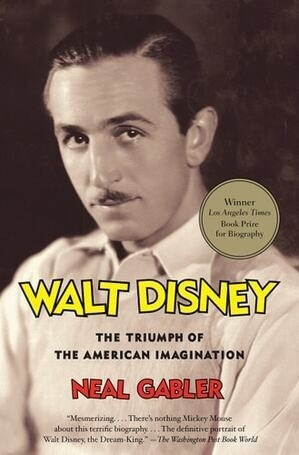
Finished reading: Walt Disney: The Triumph of the American Imagination by Neal Gabler. A remarkable biography of a remarkable man. One memorable story among dozens: All the Disney employees were profoundly anxious at the premiere of Snow White — it was after all the first animated feature and no one knew how it would be received. But when the dwarfs laid the dead Snow White on her bier, one of the animators could hear a couple near him sniffling and trying to stifle sobs. He couldn’t resist taking a peek. They were Clark Gable and Carole Lombard. 📚
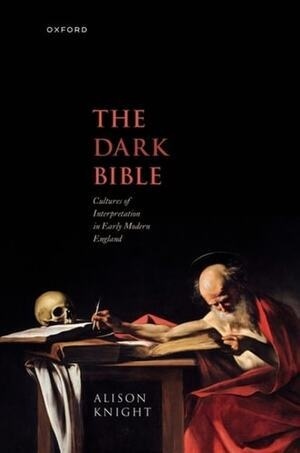
Finished reading: The Dark Bible: Cultures of Interpretation in Early Modern England by Alison Knight. A fascinating book, about which I hope to write when life is less crazy. 📚

Currently reading: Hitler and Stalin: Parallel Lives by Alan Bullock. Bullock is obviously drawing on Plutarch — and the story of how widely read Plutarch used to be versus how completely unknown he is today is a story worth telling — but he also says this in his preface: “Looking back, I cannot think of a better preparation for writing about Hitler and Stalin than the familiarity I acquired at Oxford in the 1930s with Thucydides, Tacitus, and those sections of Aristotle’s Politics that deal with the Greek experience of tyranny.” If we today had the lessons of ancient history ready to hand we could have much more productive political debates. People who know only the present — i.e. almost everybody — have no means of comparative measurement and so live by the feels. 📚
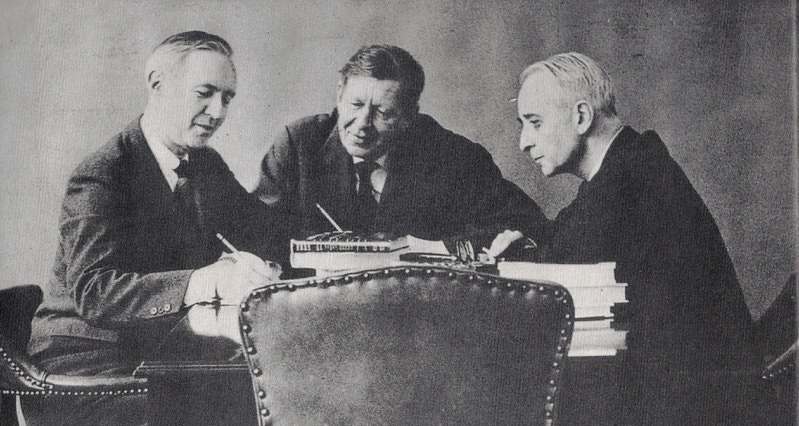
Currently reading: A Company of Readers: Uncollected Writings of W.H. Auden, Jacques Barzun, and Lionel Trilling from The Readers’ Subscription and Mid-century Book Clubs. It’s odd to think that Auden and Barzun were born in the same year, two years after Trilling — and Barzun lived until 2012. 📚