Hume and literature
As previously indicated, I will eventually return to Moonbound, but I need to think some things through first. For now, let’s go back twelve thousand years or so and revisit David Hume’s History of England.
When Hume was writing his History of England, the word “literature” only occasionally referred to a body of texts, or a kind of text; instead, it typically meant something like “learning.” For example, Samuel Johnson in his Life of Milton says that Milton’s father “had probably more than common literature,” because Milton addressed a complex Latin poem to him. The meaning here is not far from our “literacy.” When a person not only read but wrote, especially for publication, then that person would be “a man of letters,” or “devoted to the life of letters,” etc.
Today “literature” means something more like “poetry, fiction, drama, and sometimes essays” — what might have been called in some earlier time belles lettres, fine letters, though the correspondence in meaning is rough rather than exact. Insofar as the learned had any concept of what we now call literature, it would certainly have included poetry, fiction, drama, and essays but also history and biography. Historians and biographers were composers of artful narratives and in that sense no different than the composers of novels and tragedies. Their material was different, but their objects and purposes often very similar.
Academic historians today distinguish what they do from “narrative history,” a genre practiced by non-academics — and they do this even on the rare occasions when they admire the narrative historians. See for instance Anthony Grafton’s forward to C. V. Wedgwood’s history of the Thirty Years War: it is obvious that he reveres Wedgwood but equally obvious that he understands what she does as something quite distinct from what he does. But in the 18th century, readers and writers alike would not have had such clear distinctions in mind. They would have evaluated Hume’s History of England and Gibbon’s Decline and Fall by ways and means quite close to those they would employ in evaluating a novel by Samuel Richardson.
And Hume and Gibbon expected that kind of attention. They worked very hard to get their facts right and to assess them accurately, but they also strove to achieve the virtues that novelists and dramatists and epic poets pursued: to portray vivid characters, to generate narrative momentum and tension, to resolve such tension satisfyingly.
Moreover — I have suggested this in my earlier posts — they saw the writing of historical narratives as a means of pursuing philosophical ends: the events and persons of the past serve as models, exemplars, and warnings. Historical figures enact philosophical positions and in so doing test them.
Has historical knowledge progressed since Hume? Do historians today have a sounder understanding than Hume did of the facts and events of the past? Of course. But our historians today have neither the literary nor the philosophical ambitions that drove Hume. And it is because he had those ambitions, and fulfilled them, that I am reading him now.
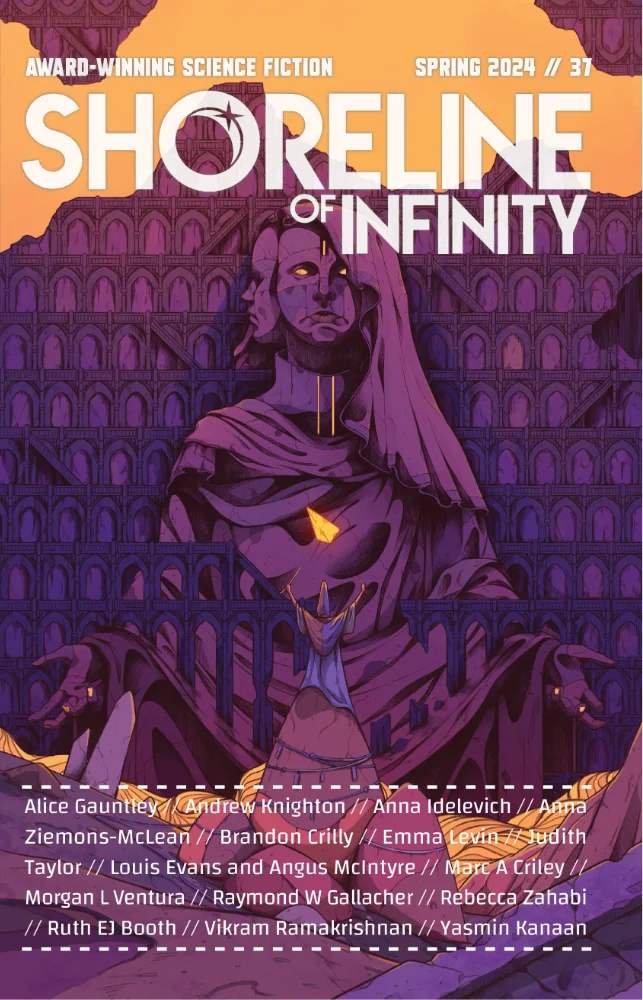
I love seeing that this style of SF cover art — so familiar to me from the paperbacks of my 1970s youth — isn’t yet dead.
political proverbs
Nothing good ever comes from indulging the egos of old men.
Nothing good comes from indulging the ego of any politician, but the you-can’t-tell-me-I’ve-seen-it-all arrogance of old men is especially dangerous.
If you want political success, it’s better to be fortunate in your enemies than in your friends. An incompetent enemy can do more for you than a devoted friend ever could.
When Congress will not do its job, attempts by the other two branches to do Congress’s job will always create more problems than they solve.
It is said that Marcus Aurelius had a servant whose sole talk was to whisper in his ear, “You are but a man, you will die.” Every Supreme Court justice should have a clerk whose job is to whisper “The more times you tell yourself that you’re not a legislator, the more effectively you hide from yourself your temptation to legislate.” Not as terse, but just as needful.
No one is less trustworthy in reporting on the Supreme Court than a periodical’s “Supreme Court reporter.”
There is no correlation between memes and votes.
People elect performers rather than genuine representatives because they think our social and economic system will continue to function without human intervention, like a solar-powered street light.
To put the same point otherwise: The besetting sin of the people who talk politics ceaselessly is a failure to take politics seriously.
It’s later than you think.
And perhaps the most contemporary of all, this 1931 portrait of Kay Francis, who, though largely forgotten today, was a huge star at the time.

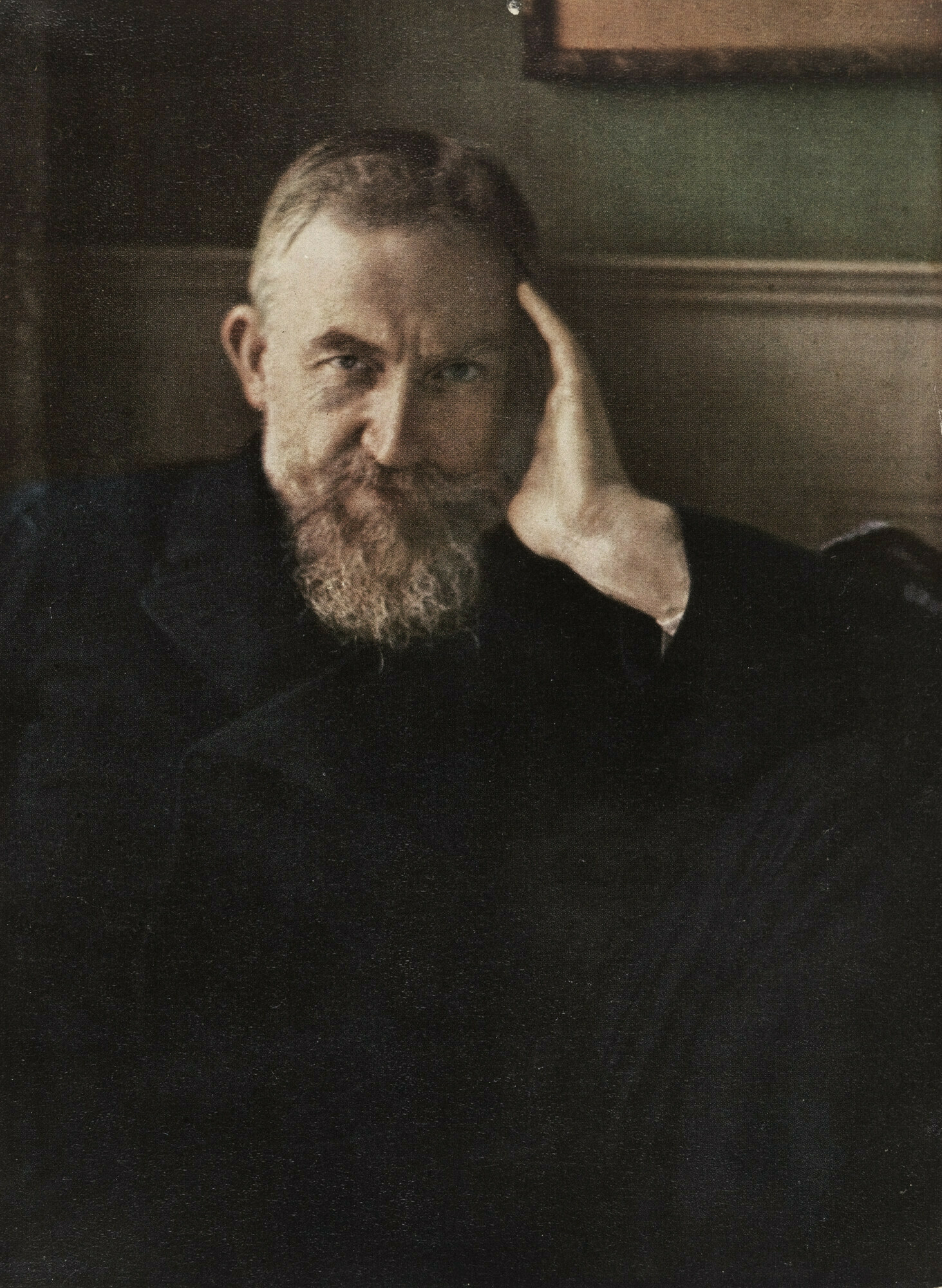
But Steichen could also do more casual portraits, as in this wonderful shot of G. B. Shaw — an early one.
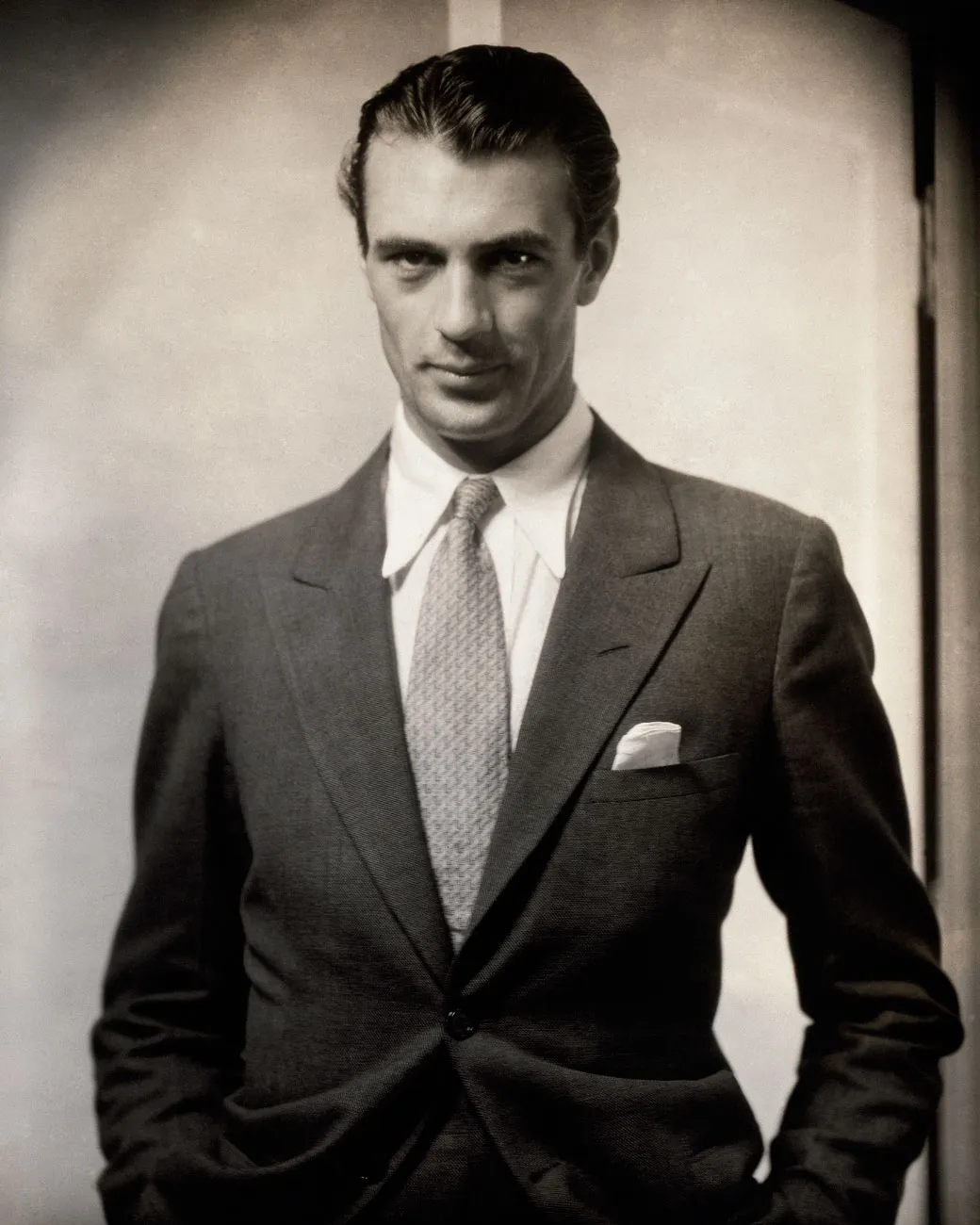
Sometimes he would use this formal-but-not-theatrical mode for Hollywood stars, as in this portrait of that paragon of elegantly sexy manhood, Gary Cooper.
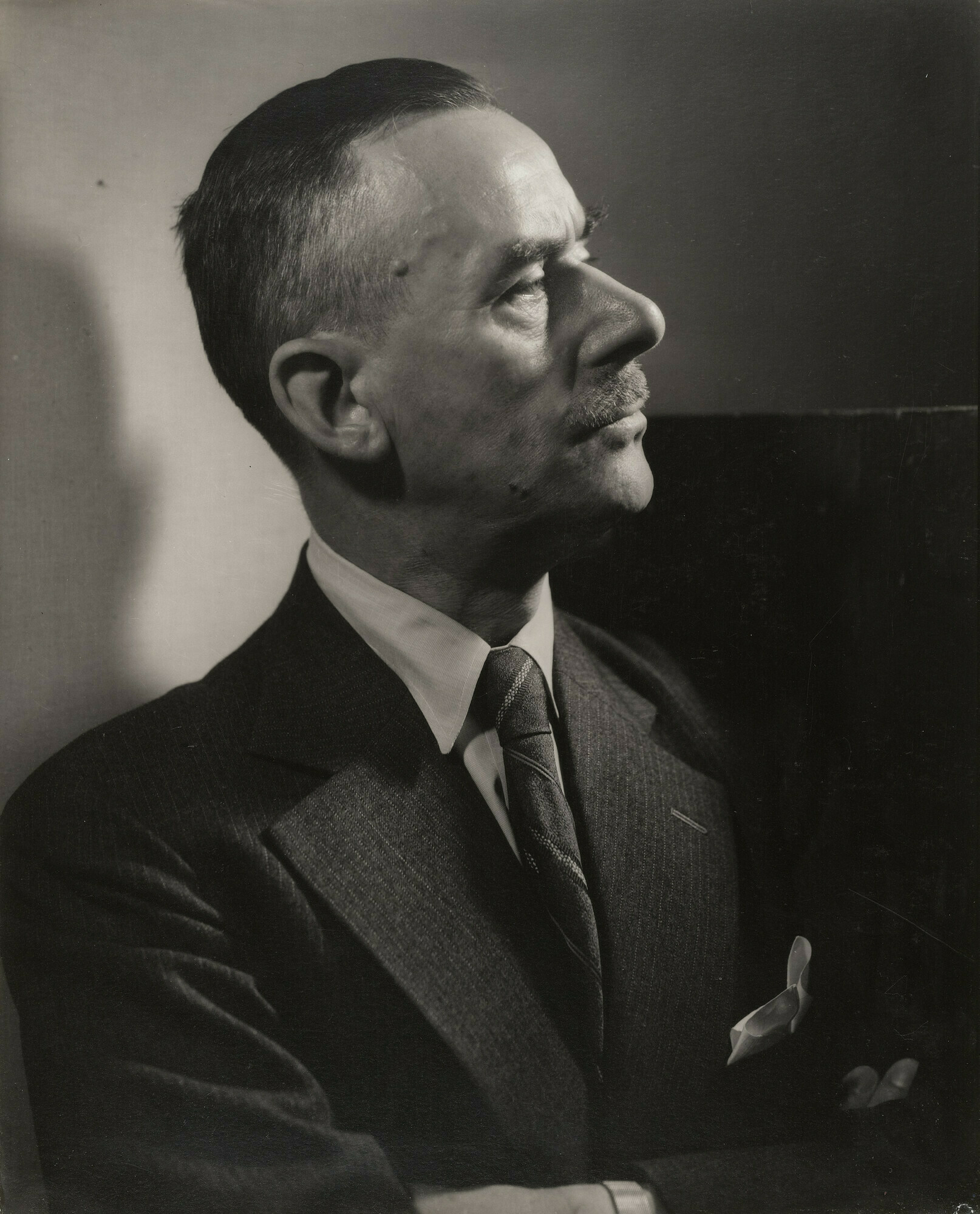
And here’s Thomas Mann.
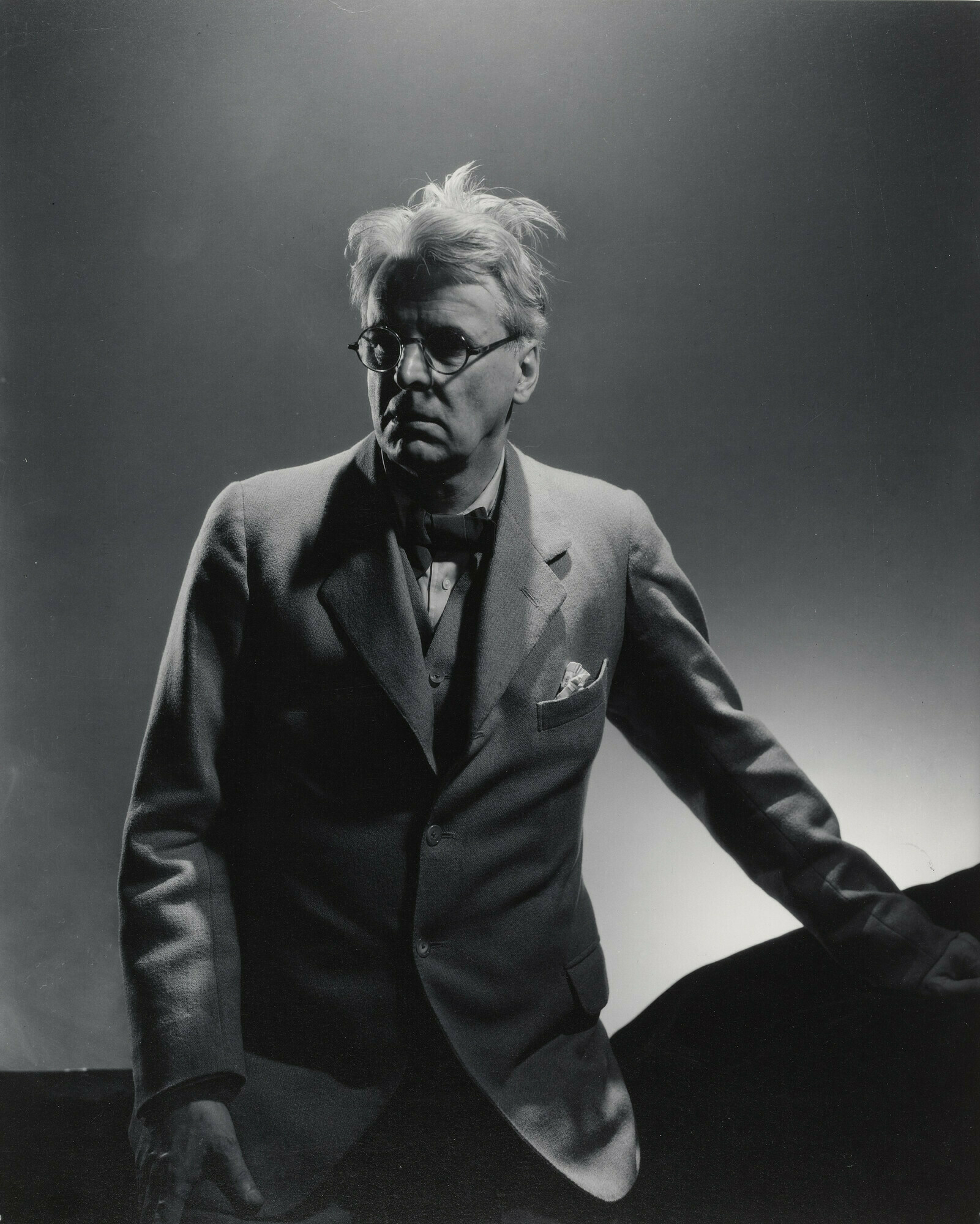
For literary figures, Steichen would stage his portraits formally, but not theatrically. Here’s W. B. Yeats.
Or this one of Gloria Swanson. (“Mr. de Mille … I’m ready for my closeup!”)