
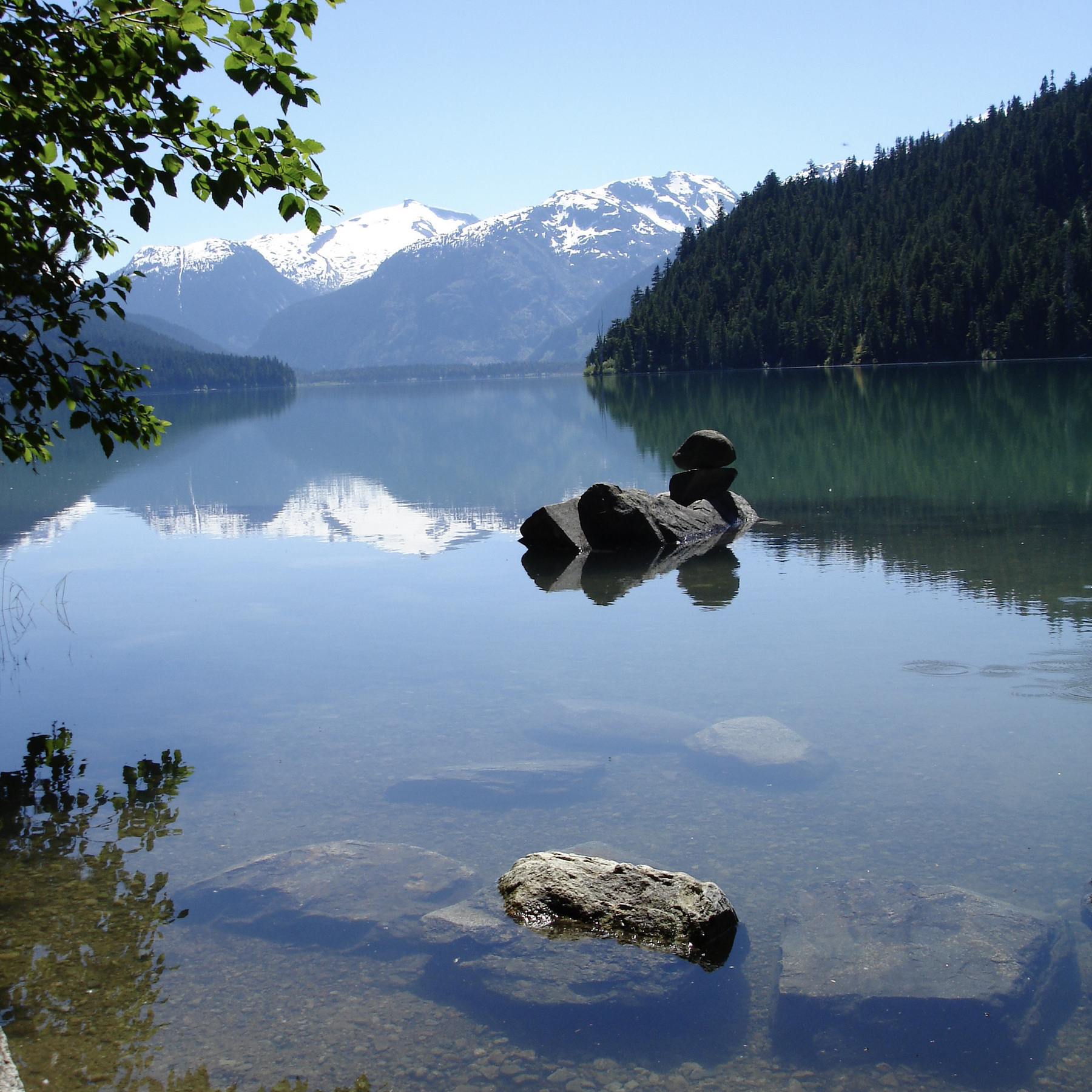
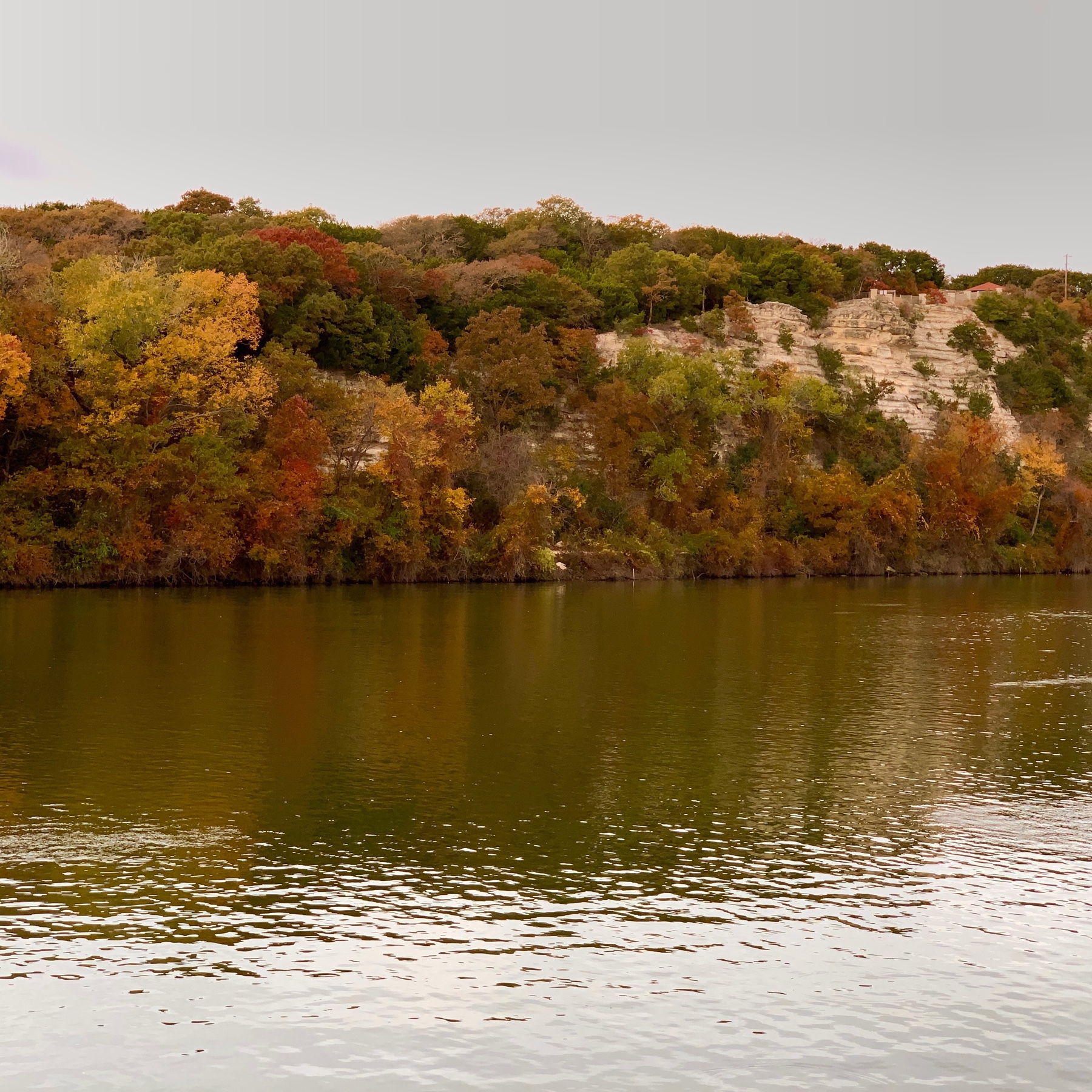
Cheakamus Lake, Garibaldi Provincial Park, British Columbia, 2006
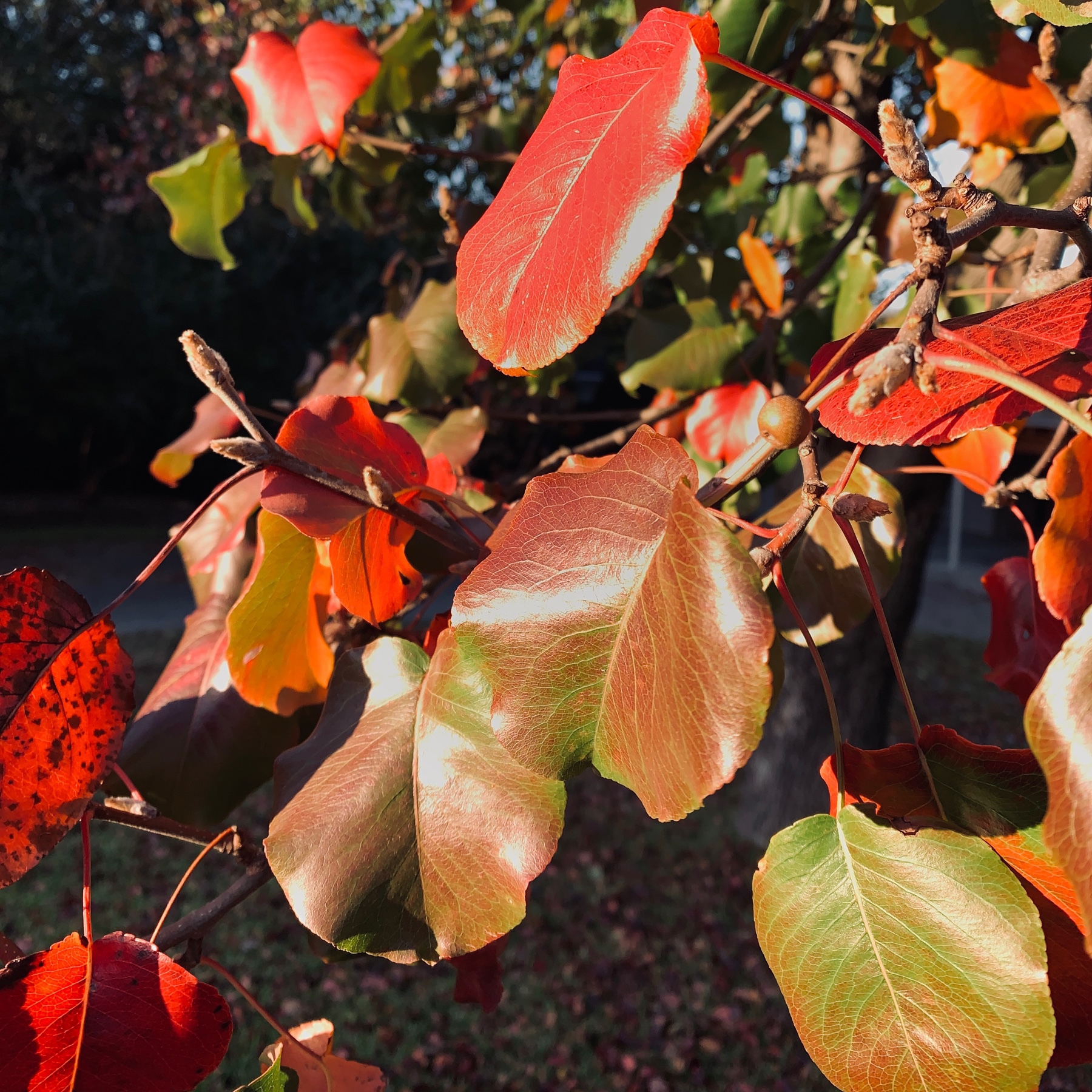
Someone’s not ready for autumn.
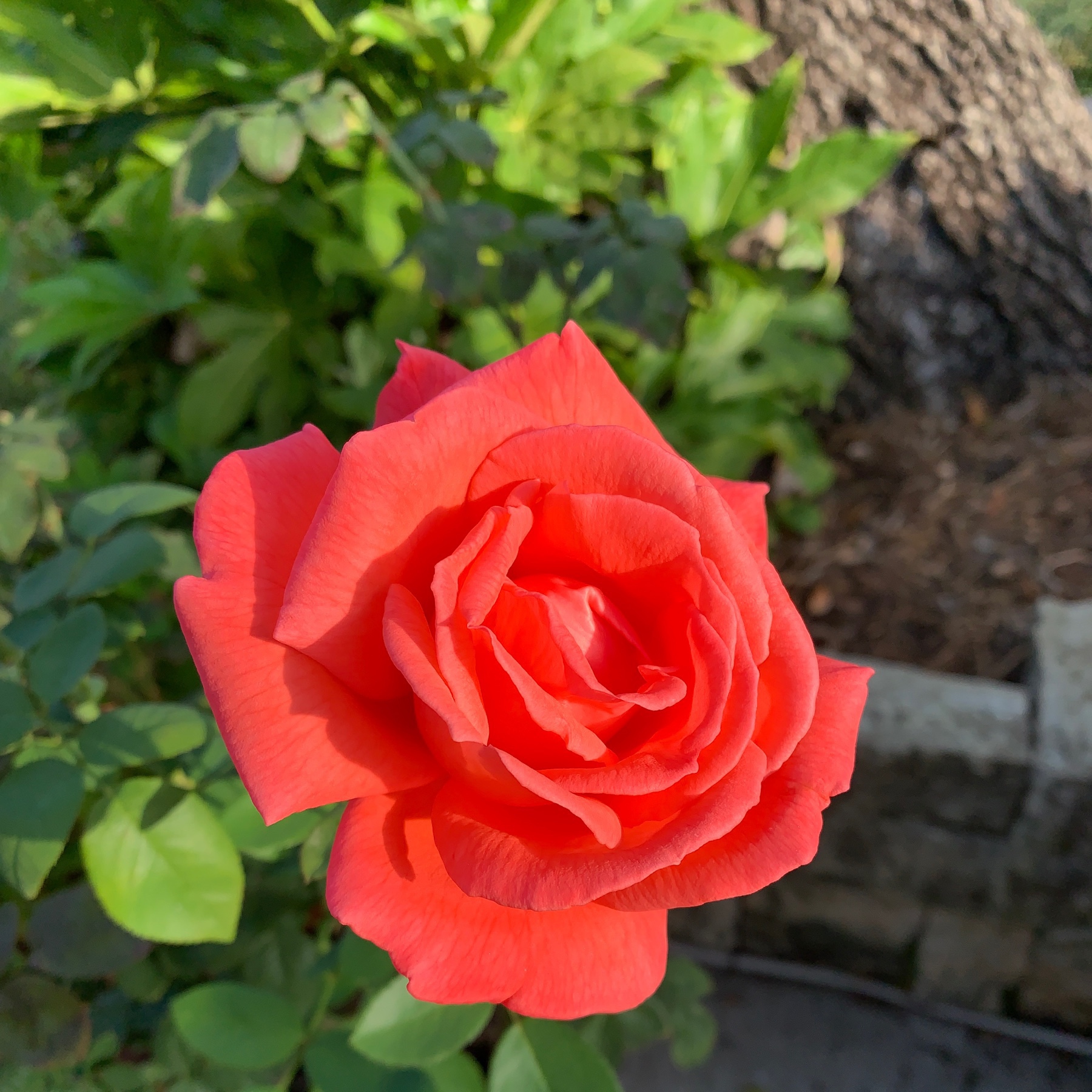
New Mexico, June 2017
The Cybersecurity and Infrastructure Security Agency has an excellent page debunking rumors of voting fraud — it will probably stay up until President Trump fires its Director and replaces him with someone willing to lie.
I just gave our student assistant Ifeoma a boring sorting-and-filing job to do, and said, apologetically, “It’s not an intellectual challenge.” She cheerfully replied, “Not everything has to be.” Which is an excellent point.
mistrust
An update on this post:
I occasionally read NYT news stories now, for a very particular reason: the newspaper’s two chief religion reporters, Elizabeth Dias and Ruth Graham, are former students of mine, and I am so proud of the careers they have made for themselves — they are both outstanding at what they do.
So I read whatever they write, but not much else, from the news side anyway. (Sometimes friends send me links and I will usually read those stories.) In general, I simply can’t rely on the NYT, any more than I can rely on Fox News, to tell the truth about anything that I really care about — and my suspicion has increased, if that’s possible, in the year since I wrote that post, thanks to the gradual conquest of the NYT newsroom by “insurrectionists” who openly disdain fair-minded reporting in favor of whatever stories and angles they think will serve their political agenda, AKA Justice.
Recently Elizabeth and Ruth were interviewed in the Times itself about “the challenges of covering religion during a pandemic in a campaign season,” and one thread that ran through the whole interview was reporting under conditions of mistrust. Elizabeth: “I’ve found conservatives are increasingly wary of talking with us no matter what the story is.” Ruth: “The rising distrust of the media among a lot of conservative religious people is a major challenge, and one that is not going away.”
Now, I’m not one of the conservatives they’re talking about — QAnon true believers, MAGA-hat wearers — at least I don’t think I am; maybe Elizabeth and Ruth would disagree. But in any case, if in the highly unlikely event that either Elizabeth or Ruth wanted to interview me about religion, I would be really hesitant. I trust them — I trust them both implicitly — but I don’t trust their editors or the newsroom in which they do their work. I don’t feel I could reasonably expect the final published version of any such story to be … well, to be anything but driven by an ideological urgency in which any white male small-o orthodox Christian such as myself is an Enemy of the People.
This is I think the inevitable outcome in a journalistic world increasingly shaped by Manichaean binaries of the kind that the Right used to specialize in (remember RINOs?) but that the Left now owns the rights to. Consider for instance an idea that I’m sure is highly popular in the NYT newsroom, Ibram X. Kendi’s claim that everyone is either a racist or an antiracist — with the implicit but necessary corollary that he and people who agree with him wholly get to (a) establish the categories, (b) define the categories, and (c) put any given person definitively in the category they choose. What category do you think I am going to be in, regardless of what I have written or said?
In such an environment it’s hard for me to see what good would come of my being interviewed in the New York Times, at least about matters Christian — even if I were being interviewed by people with the honesty and integrity that Elizabeth and Ruth possess. I just think that’s where we are right now.
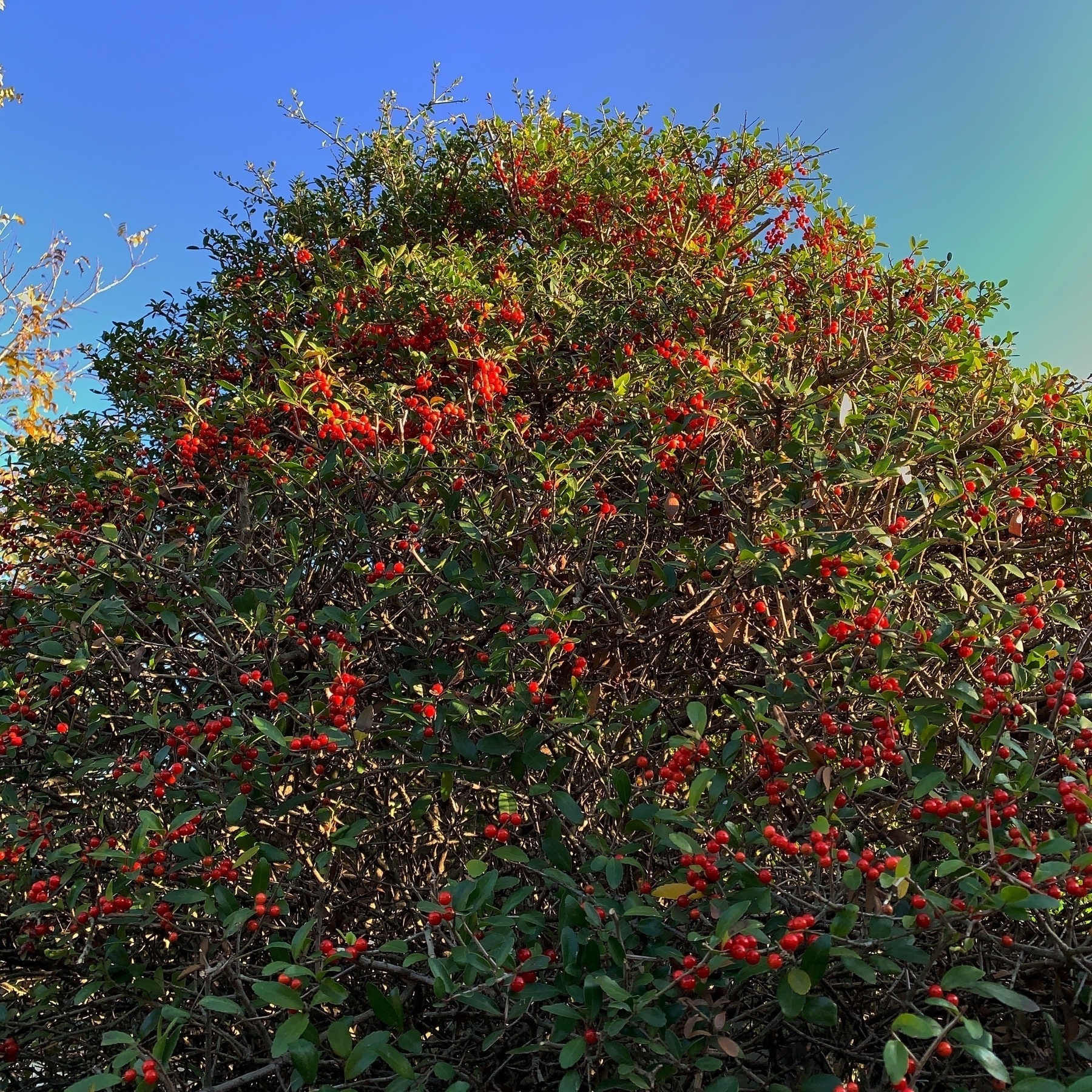
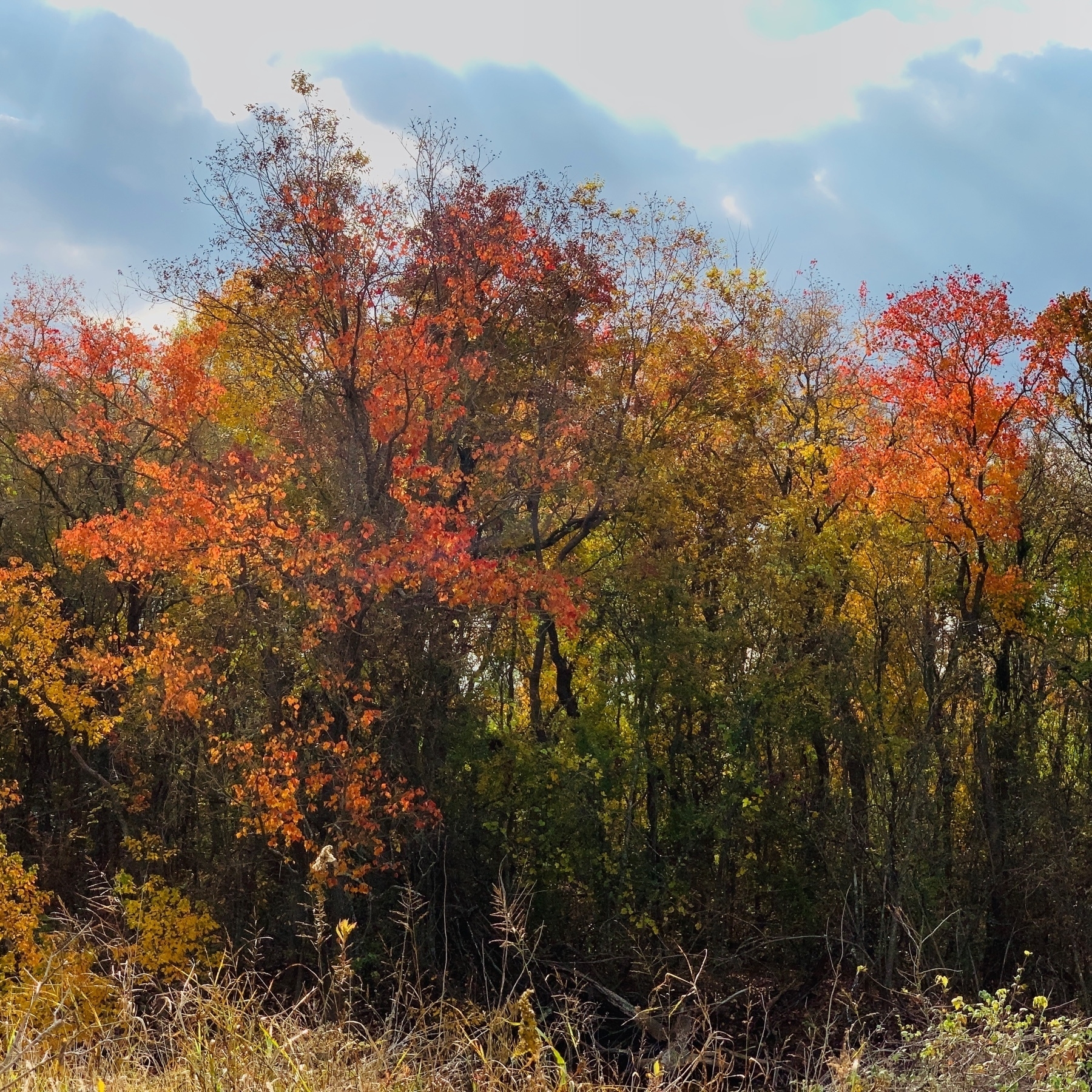
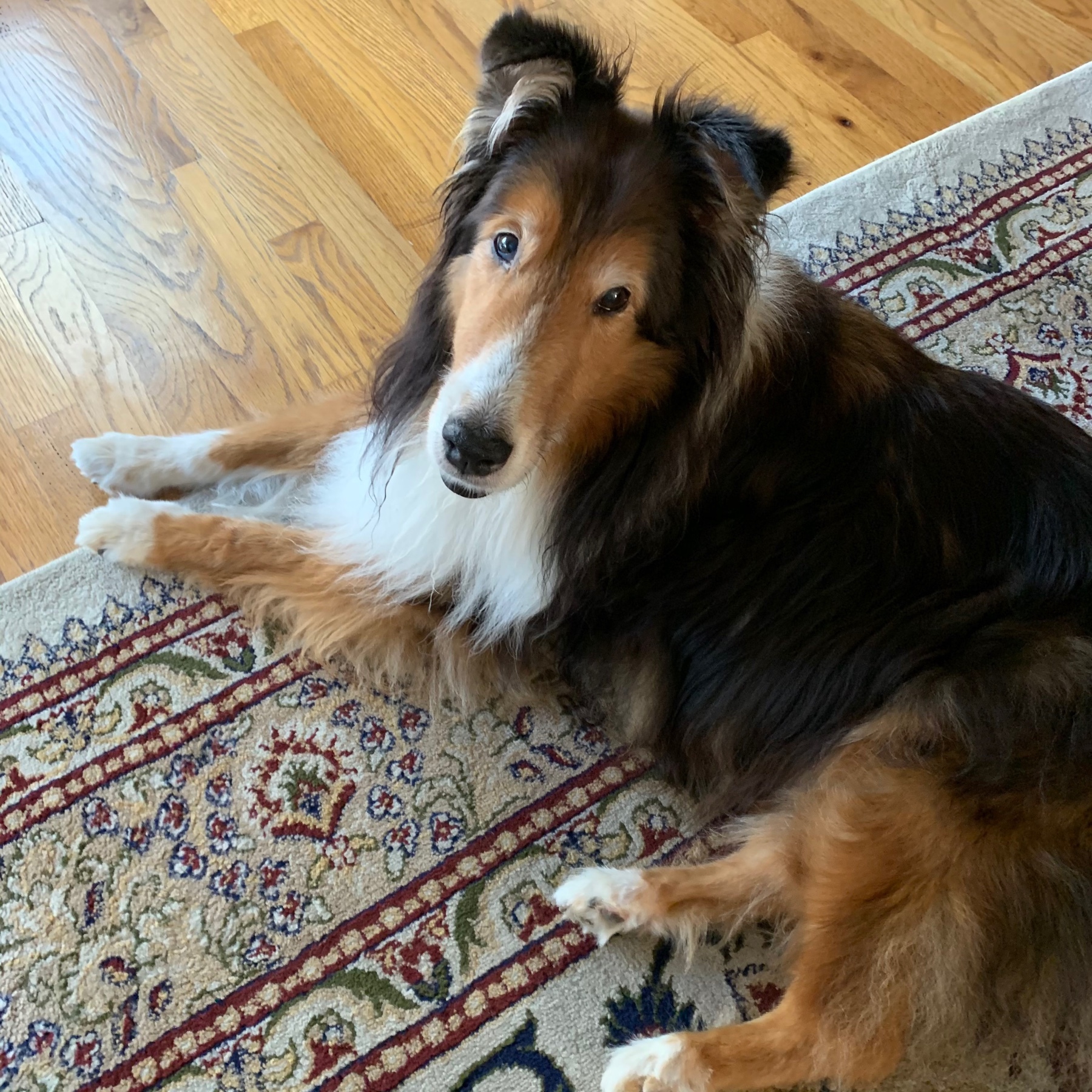
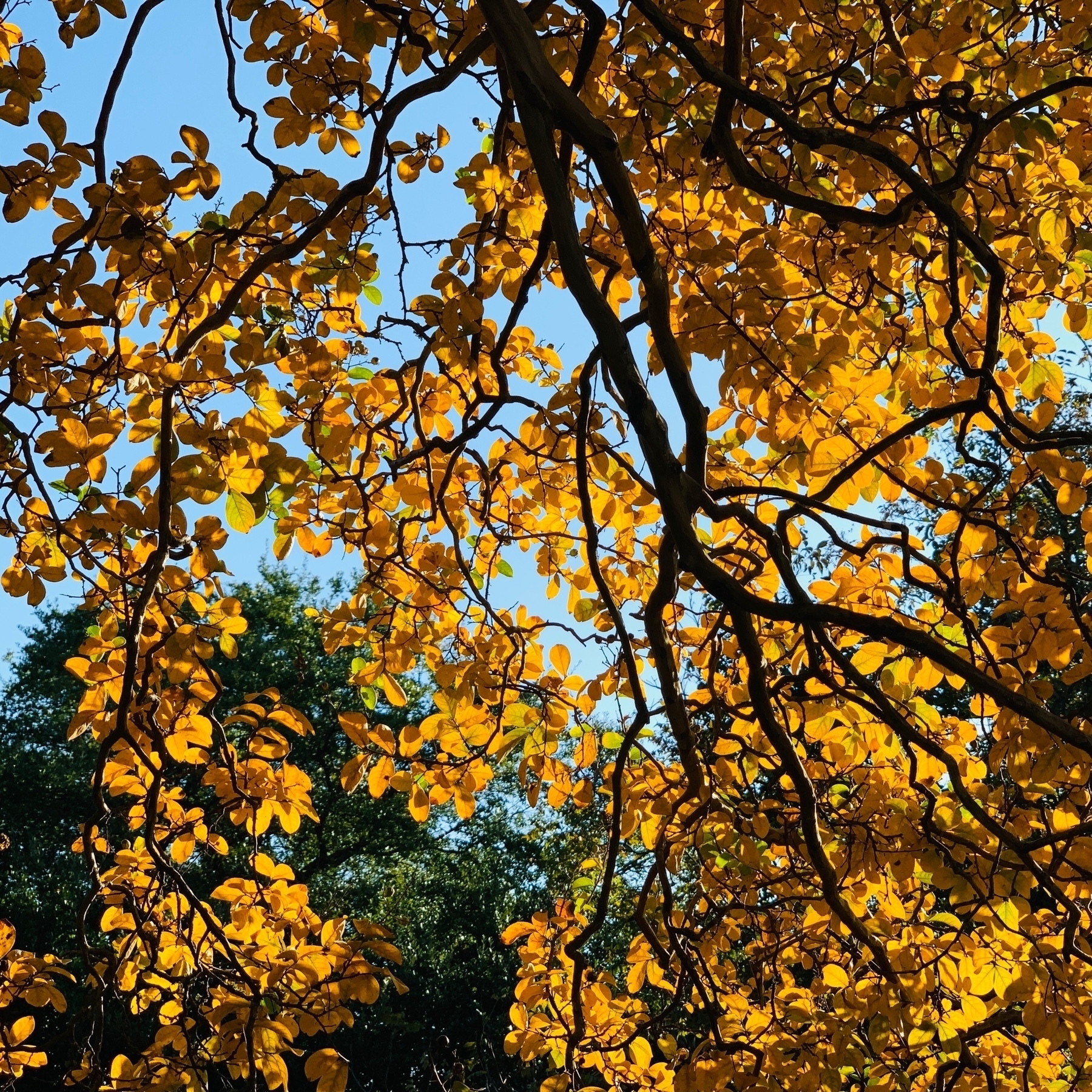
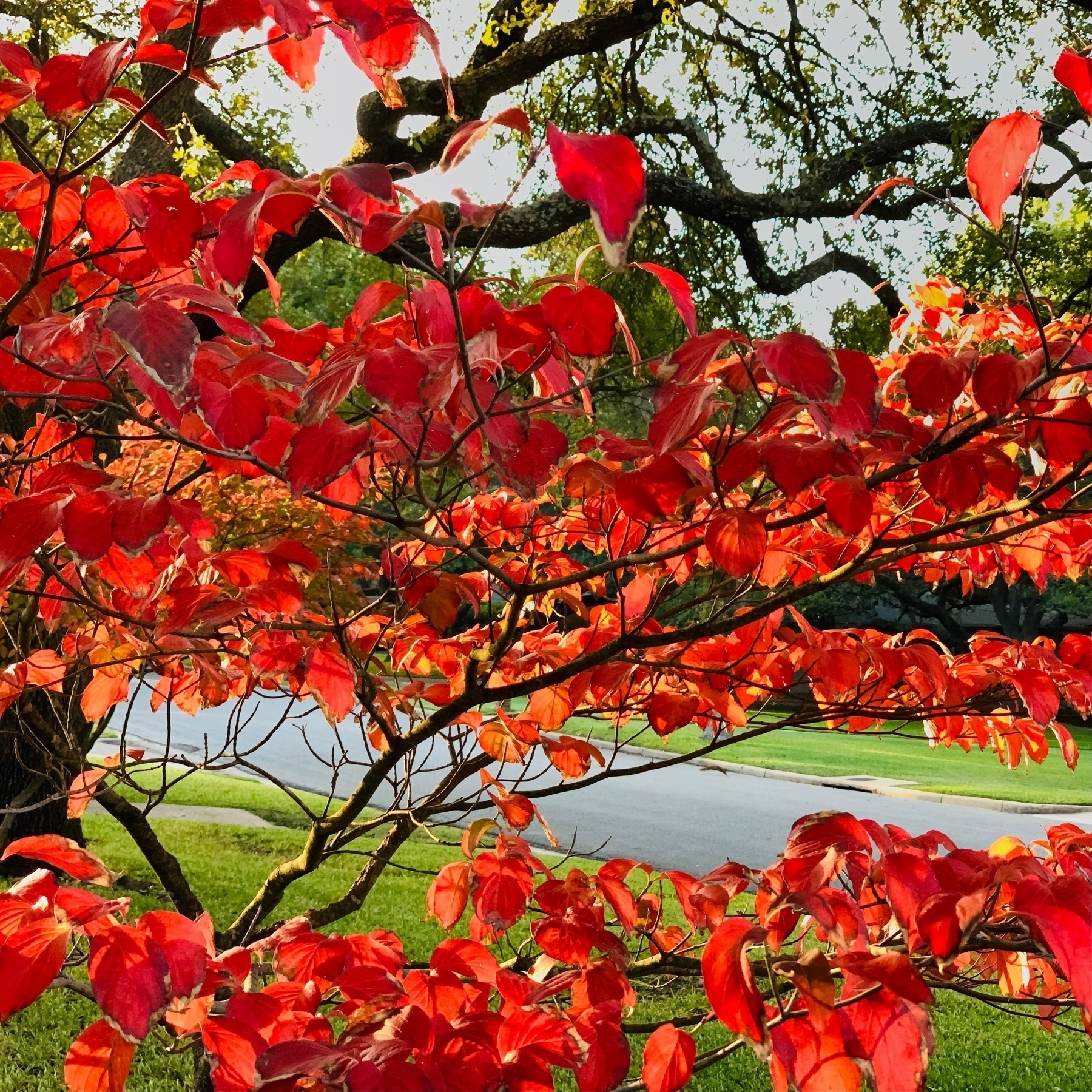
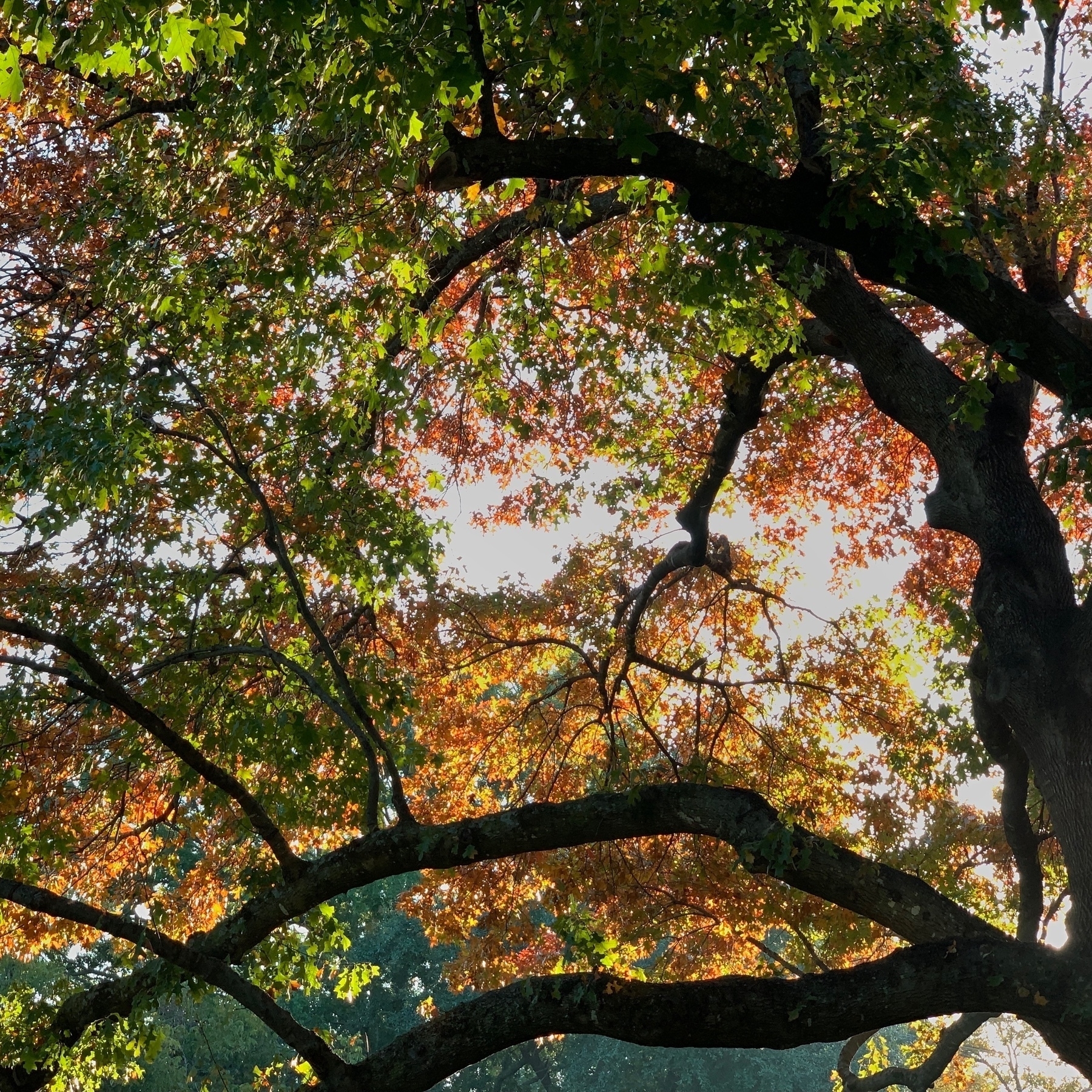
All my photographs are of trees and my dog, but, you know, I yam what I yam.
odds
- Chance that even one of the election lawsuits will be decided in Trump’s favor: 3%
- Chance that Trump will accept the validity of any legal ruling against him: 0%
- Chance that when, after all legal avenues have been exhausted and Trump has declared himself the true but unacknowledged winner of the election — the wrongly deposed King, our very own Richard II, the Lord’s Anointed from whose sacred brow the balm of kingship can never be washed away — the leadership of the GOP will finally break with him: …
Excerpt from my Sent folder: quarantine and quizzes
Hello friends,
A handful of you have told me that you’ll need to be quarantined for a while — I’m sorry to hear it. Here’s hoping for clean tests and a quick return!
If you find yourself in this situation, here’s what you need to do:
- Email me to let me know at least a couple of hours before each class you will miss. Please do so even if you have already emailed me. I get torrential downpours of email and things can get swept away by the tides.
- Give your email a useful subject line, like “HEADS UP: ABSENCE FROM CLASS.”
- Just as class begins, check your email to see if there is a reading quiz. If there is, then take the usual allotted time — one minute per question — to answer, and simply reply to the email. Then, as we go over the quiz in class, grade it as usual and send me another reply with your grade.
- Then open up Zoom and join the meeting I have invited you to. I’ll usually send the invite while people are taking the quiz, but if there is no quiz then I’ll send the invite just before class begins.
A couple of additional notes.
Please do not cheat on your quizzes. Last semester when I had to administer email quizzes several people confessed to me that they had cheated. For this reason, I won’t accept quizzes if they are timestamped more than a minute or two beyond the allotted time.
Finally, if you are ill or otherwise indisposed, please do not ask me to add you to the Zoom list. If you want to get a friend to Zoom you in, you may, but otherwise let’s treat illness just the way we did before Zoom was invented. That is, some days you don’t feel well and miss class, after which you get notes from friends, etc.
I’m actually rather concerned about the problems the use of Zoom creates, and I’m not sure what I am going to do in the future. Allowing people to Zoom into class whenever they feel like it creates many bad incentives: the incentive not to participate fully in class, the incentive to pay more attention to your messages app than to the books we’re discussing, the incentive to cheat on quizzes. I’m afraid that the widespread use of Zoom will force me to change methods of teaching I’ve developed over the past thirty-eight years, and that makes me a little sad, because I think the methods I’ve developed really help you to learn.
Blessings to all,
AJ

back to the urbs
Many years ago I wrote a post about living in a suburb — Wheaton, Illinois — but having a life that in many ways felt more like what city life is supposed to be:
For people like me Wheaton doesn’t feel like a suburb at all, and many aspects of my life sound kinda urban. My family and I live in a small house – with one bathroom, for heaven’s sake – and have a single four-cylinder car. I walk to work most days, frequently taking a detour to Starbucks on the way. From work I often walk to Wheaton’s downtown to meet people for lunch, or, at the end of the day, to meet my wife and son for dinner. Drug stores and a small grocery store are equally close; I even walk to my dentist. I also like being just a short stroll from the Metra line that takes me into Chicago, just as Chicago residents like living just a short stroll from the El. And I know many other people who live in much the same way.The point of my post is that the common opposition between “city life” and “suburban life” obscures many vital distinctions and gradations.
I don’t live in a suburb any more, I live in a city. But because the city I live in — Waco, Texas — has 125,000 people rather than millions, it’s not the kind of place that people refer to as urban when they talk about “America’s urban-rural divide.” For example, here is a piece by Eric Levitz that uses the binary opposition in the conventional way, or what seems to me to be the conventional way. I can’t be certain, but I strongly suspect that Levitz thinks that people who live in cities the size of the one I live in — especially if those cities are south of the Mason-Dixon Line — are “rural.” But they aren’t. Even if we don’t think or vote like New Yorkers.
When people talk about “the urban-rural divide in America,” I think what they usually mean is “the divide between people who live in megacities and people who live everywhere else.”
weakness and isolation
Two random, one relatively significant and one relatively trivial, thoughts on this op-ed by Ian Marcus Corbin. The more significant one first. Corbin writes,
Most stroke patients ultimately remain able to get around, leave the house and socialize, albeit more slowly and awkwardly than before. But they often require extra time and help with things that used to be easy and fluid. Here is where they need their family, friends and acquaintances to rally around them. The worst thing for them, medically speaking, is to be isolated.
Unfortunately, studies show that stroke patients’ networks tend to contract in the wake of a stroke. Why? The causes are not perfectly clear, but we can say this: Too often in America, we are ashamed of being weak, vulnerable, dependent. We tend to hide our shame. We stay away. We isolate ourselves, rather than show our weakness.
I suppose we can say that, but is it true? My experience suggests that when people suffer their social networks contract because others don’t want to be around them. Sometimes the withdrawal arises from a lack of compassion, but more often, I think, because we find it awkward to deal with suffering: We don’t know what to do or say, and we’re afraid that we’ll do or say the wrong thing. To assume, as Corbin does, with no discernible evidence, that people self-isolate out of pride seems like a classic case of blaming the victim.
The second point is trivial but, I think, interesting. Corbin again:
The anthropologist Margaret Mead was once asked to identify the earliest material sign of human civilization. Obvious candidates would be tool production, agricultural methods, art. Her answer was this: a 15,000-year-old femur that had broken and healed. The healing process for a broken femur takes approximately six weeks, and in that time, the wounded person could not work, hunt or flee from predators. He or she would need to be cared for, carried during that time of helplessness. This kind of support, Dr. Mead pointed out, does not occur in the rest of the animal kingdom, nor was it a feature of pre-human hominids. Our way of coping with weakness, as much as our ingenious technologies and arts, is what sets us apart as a species.
Over the past few years this has become an oft-told tale, but there’s no real evidence that Mead ever said this.