note to self

Repair begins with redirection. Commencing the repair of our cultural ecosphere by shifting attention to neglected things. 

Focal practiceshypomene ➡ the good work of repair

Or: shun the smooth things, get back to the rough ground. But rough ground must be thoroughly prepared for the seeds you want to sow. Only then can roots grow deep. We want food; we’re hungry; our temptation is to scatter the seed blindly and hope for the best. But that’s a recipe for failure. 

What are the focal practices of the wise sower, the responsible gardener? 

Wendell Berry, from “Standing by Words”: 

As industrial technology advances and enlarges, and in the process assumes greater social, economic, and political force, it carries people away from where they belong by history, culture, deeds, association, and affection. And it destroys the landmarks by which they might return. Often it destroys the nature or the character of the places they have left. The very possibility of a practical connection between thought, and the world is thus destroyed. Culture is driven into the mind, where it cannot be preserved. 

York elevation 1600

Dunsany's games

In the class I’m currently teaching on fantasy, we are moving from George MacDonald’s Phantastes to Lord Dunsany’s The King of Elfland’s Daughter. Phantastes is a classic quest romance, with the added dimension, as Harold Bloom pointed out in a justly famous early essay, that in Romantic and post-Romantic narrative any quest will be primarily an internal one, a psychological or spiritual searching.  

More critics than I can readily count have said that Dunsany is the father of modern fantasy, but it’s very interesting in light of that claim to see how frequently he subverts the expectations of fantasy in all of its forms. For instance … well, why don’t you take just a few minutes now and read a very short story of his called “The Hoard of the Gibbelins”? I’ll wait.

See what he did there? One of the things that we always hear in quest romances, and in other forms of fantasy, is that the protagonist of our story is striving to succeed in an endeavor which many before him have unsuccessfully attempted. Our interest, then, in this protagonist is closely related to our belief that he will indeed succeed in his quest. But the protagonist of “The Hoard of the Gibbelins” does not succeed. It’s very shrewdly and wittily done.  

Interestingly enough, the protagonist of that story has almost exactly the same name (Alderic) as the protagonist of The King of Elfland’s Daughter (Alveric). And that might suggest to us that Dunsany wants to play with the conventions and expectations of his chosen genre in that novel as well. Let’s take a look.

In the first chapter, the prince Alveric is given a task, a great Quest to pursue, and … he completes the quest by the end of chapter 3. The story has barely started, and it seems to be over. What that tells us is that Dunsany isn’t actually interested in Quest, at least not in any conventional way, and perhaps, at this point, we should remember that the name of this novel is not The Quest of Prince Alveric but rather The King of Elfland’s Daughter and revise our expectations in light of that title.   

Some of you will know that long ago a scholar named A. J. Greimas – the OG Ayjay, as it were – declared that all stories are comprised of what he called actants. There were six of these, in three pairs: subject/object, sender/receiver, helper/opponent. In a standard quest romance, the Quester, however odd or ambiguous his quest, is always the subject. Thus our interest in Phantastes is always what happens to Anodos; we see the world through his eyes. 

But in Dunsany’s novel things are different. One could say that in the first three chapters of the story, Alveric is the subject, the persons and things of Elfland as the objects, and various figures are helpers or opponents. The primary opponent seems to be the King of Elfland, the primary helper the witch Ziroonderel. But after the completion of his quest, Alveric recedes from the novel for quite some time and the focus moves elsewhere, primarily to the denizens of Elfland. At this point, we would do better to think of the subject of the story as Lirazel and the objects of the story as the things of our world – what Dunsany typically calls “the fields we know” –; and then we might see her husband, her son, and her father as helpers or opponents of hers. In MacDonald’s work women are almost always the helpers or opponents of men; but Lirazel is much more than that even if we can’t quite see her as in any simple sense the protagonist of the story.

It’s a very curious novel with shifting perspectives, and continual reminders that the understanding of one world is never to be given priority over the understanding of another, nor is the understanding of one character to be definitive for the readers. It’s full of sly subversions of the tropes of fantasy, often presented en passant. For instance, there’s a delightful little moment when a troll from Elfland comes to our world on his own Quest, happens to encounter a child, and suggests that perhaps the child would want to go to Elfland — from which, as we know from our fairy tales, she would never return. The child mulls the offer for a moment and then declines, because her mother has made her a jam roll and she wants to eat it. So nothing happens. The troll goes on about his business. 

But we haven’t yet talked about senders and receivers. Here too Dunsany complicates things. At the outset the King of Erl sends his son Alveric to Elfland, and Elfland quite reluctantly receives him. But from that point on we are treated to a series of sendings and receivings, characters moving back and forth between Elfland and the fields we know, Elfland itself contracting and expanding — but hovering over it all are the three great runes of the King of Elfland: the magic he can send forth in power that no one can contest or deflect. The whole story builds to a final sending, a conclusive receiving. 

It is a very strange book — it gets stranger the more you think about it — and is, I believe, a genuine masterpiece. 

focal practices for pilgrim people: intervals

In one sense the question I posed in an earlier post — What are the proper focal practices for a pilgrim people? — has an obvious answer. In a sermon John Wesley wrote that the “chief … means” of God’s grace to us 

are prayer, whether in secret or with the great congregation; searching the Scriptures (which implies reading, hearing, and meditating thereon); and receiving the Lord’s Supper, eating bread and drinking wine in remembrance of Him: And these we believe to be ordained of God, as the ordinary channels of conveying his grace to the souls of men. 

Surely it is true, and has been true as long as Christians have walked the earth, and will always be true, that these three practices are permanently and non-negotiably focal for Christians. If we’re not doing these, then we’re going to be distracted, diffracted, “blown about by every wind of doctrine.” 

But if these are the “ordinary channels” by which God conveys grace to us, might there be, in certain times and places, extraordinary channels — channels especially appropriate to a given context? I think so, and in this and future posts will be drawing on Byung-Chul Han’s The Burnout Society to identify some. 

In this post I want to talk about intervals. In an especially provocative passage — and in another, later post I’ll discuss its context — Han writes, 

Only by the negative means of making-pause can the subject of action thoroughly measure the sphere of contingency (which is unavailable when one is simply active). Although delaying does not represent a positive deed, it proves necessary if action is not to sink to the level of laboring. Today we live in a world that is very poor in interruption; “betweens” and “between-times” are lacking. Acceleration is abolishing all intervals. In the aphorism, “Principal deficiency of active men,” Nietzsche writes: “Active men are generally wanting in the higher activity ... in this regard they are lazy.... The active roll as the stone rolls, in obedience to the stupidity of the laws of mechanics.” Different kinds of action and activity exist. Activity that follows an unthinking, mechanical course is poor in interruption. Machines cannot pause. Despite its enormous capacity for calculation, the computer is stupid insofar as it lacks the ability to delay. 

Almost everyone at times has the sense that we are not using our technologies but are being used by them. Which is why, in the long run, as Jaron Lanier has pointed out, “the Turing test cuts both ways. You can’t tell if a machine has gotten smarter or if you’ve just lowered your own standards of intelligence to such a degree that the machine seems smart. If you can have a conversation with a simulated person presented by an AI program, can you tell how far you’ve let your sense of personhood degrade in order to make the illusion work for you?” We therefore come to imitate the distinctive stupidity of machines. If we are to be stupid, at least let our stupidity be human.  

So maybe the first focal practice, the one that enables all the others, is simply this: to pause. To create intervals in our busyness. Maybe we will later fill those intervals with prayer, for instance, but just to create them is the first desideratum. Pause, and breathe — that alone declares our humanity and distinguishes us from our machines. The pilgrim pauses along the Way, and in that manner combats the laziness peculiar to a technologically accelerated age.  

Currently reading: Standing by Words by Wendell Berry 📚

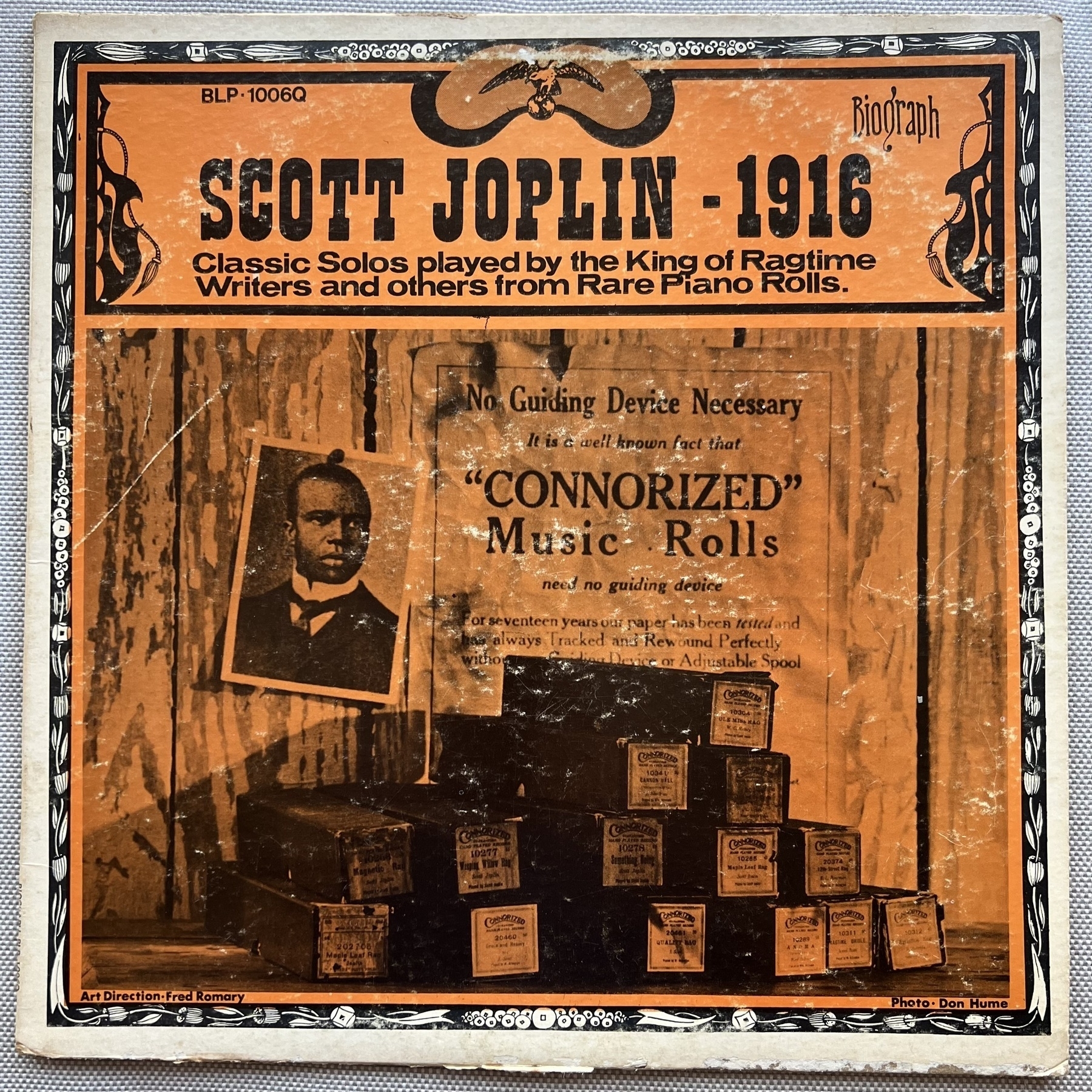
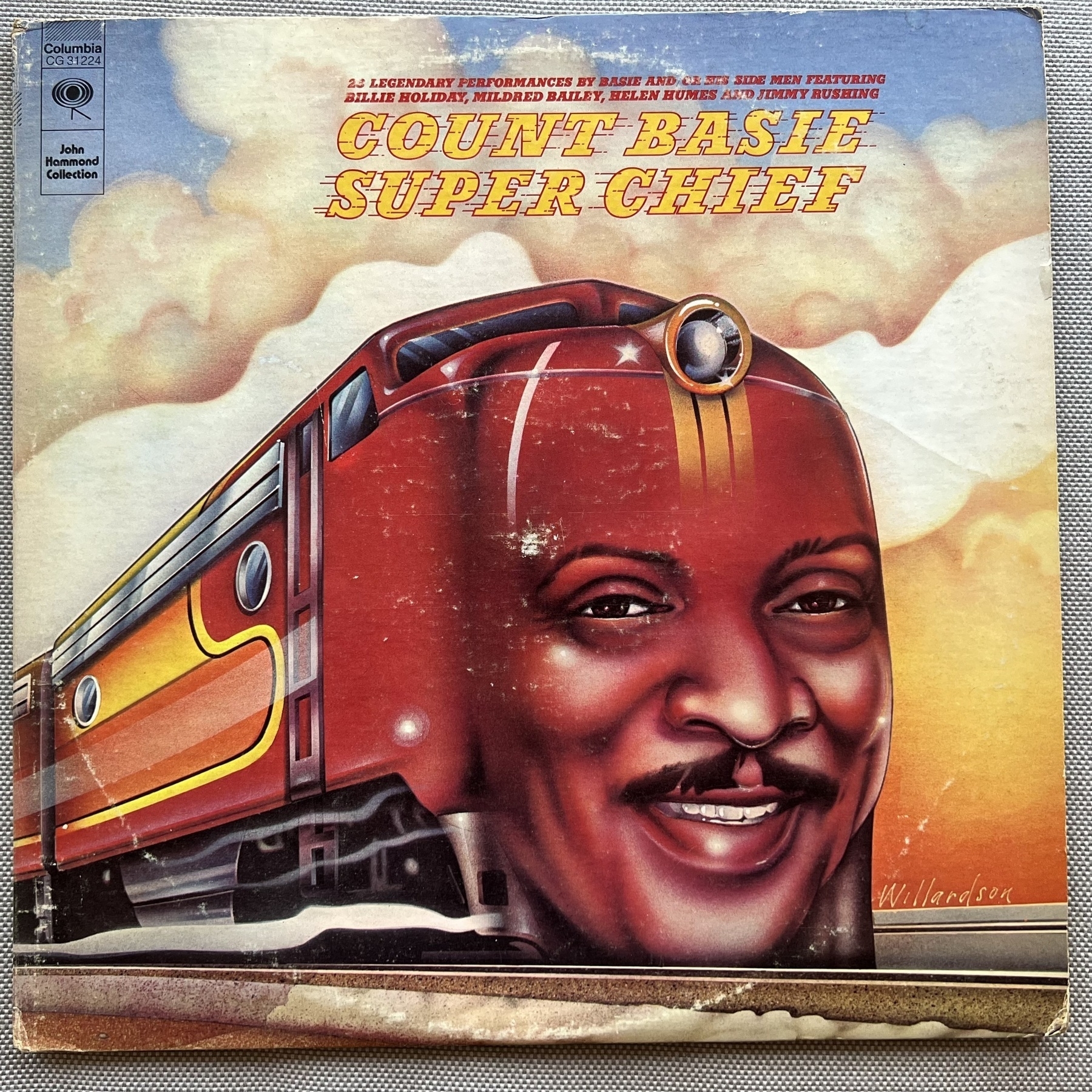
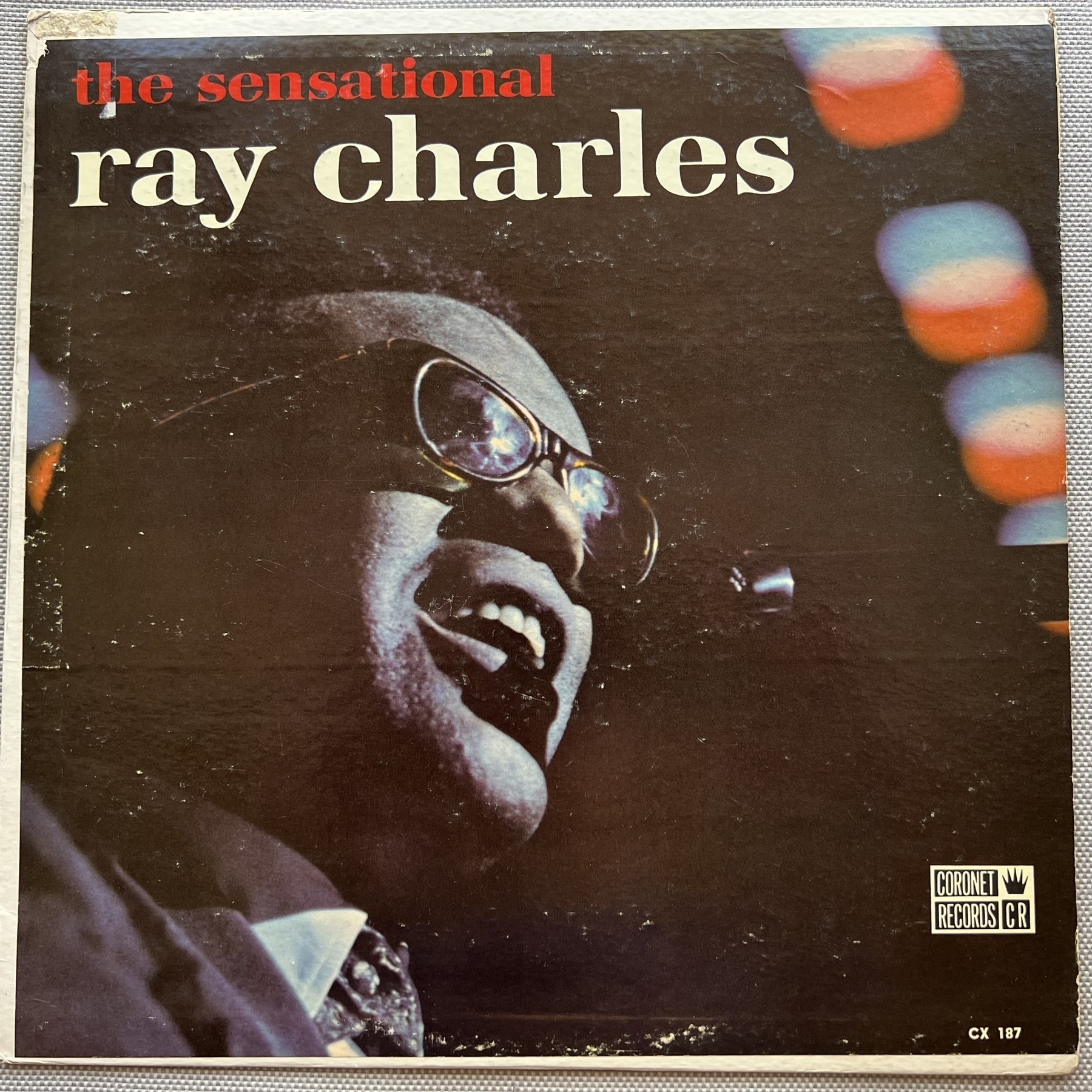
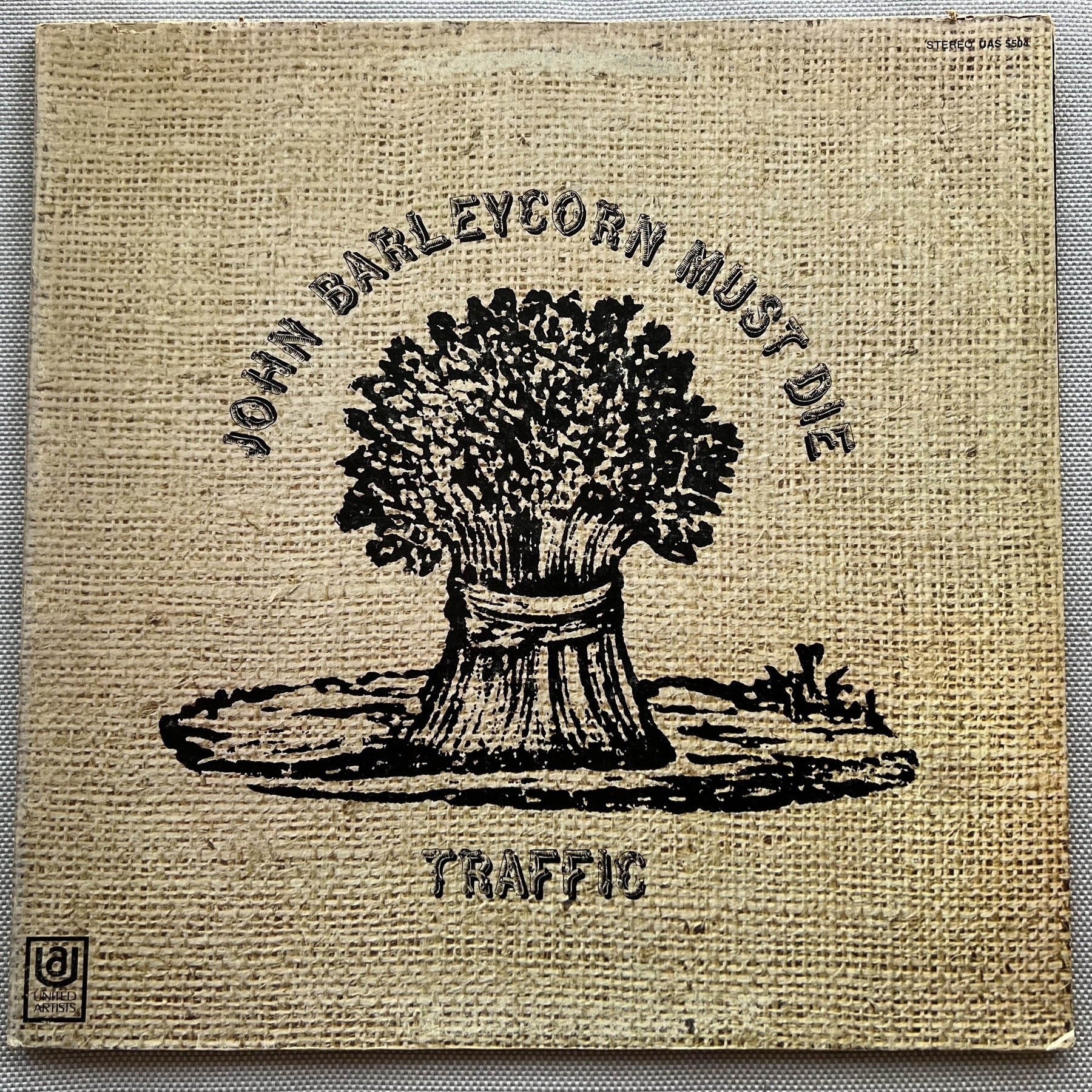
My buddy Rob Miner bought this for me in Amsterdam – and it sounds great. But I’m concerned that I’ll soon be haunting record stores and asking questions like “Do you happen to have the Dutch pressing? I’m led to believe that it’s especially fine.”

burn after reading

Dear colleagues, 

I must congratulate you all on what is, so far, a perfect execution of our Plan. You will recall that when we first met, more than a decade ago, we found ourselves confronted with a dramatic decline in enrollment in university humanities courses — throughout the Western world, but especially in the U.S.A. The self-declared radicals who dominated teaching in the humanistic disciplines seemed determined to alienate students as thoroughly as possible from literature, philosophy, and the arts; meanwhile, parents were frantically pushing their offspring towards courses in business and computer science. Very few young readers and thinkers could resist this double discouragement, especially since the forces doing the discouraging seemed in other respects to stand for opposing visions of what the world should be.

We quickly came to agreement on two points: first, that our chances of restoring the university humanities to their proper calling were so small that we could scarcely justify extending any efforts in that direction; and second, that in any case what matters in the long term is not the university disciplines but rather the cultural achievements that those disciplines once cared for: the novels and plays and poems, the treatises and dialogues, the sonatas and symphonies, the paintings and sculptures and beautifully designed buildings.

The key moment in our deliberations, as I recall, came when one of you reminded us of a (probably apocryphal) statement by the novelist Stendhal, who upon eating ice cream for the first time declared, “This is perfectly delicious. What a pity it isn’t forbidden.” 

What a pity it isn’t forbidden. With that thought our Plan was born. The key, we realized, was to transform the works we love from objects of praise to objects of suspicion: things that required “trigger warnings”  and deserved skeptical critique — perhaps utter denunciation for racism or homophobia or racism or ableism or … anything else we could think of. 

Of course, we had to be careful — we had to work by suggestion and implication. We thought that if we made these accusations directly and explicitly we would be laughed at. Looking back, we can see that our caution was in one sense unnecessary: in this environment, no charge against great works of art could possibly be too outrageous. Still, our caution has served us well: We whispered the quiet part, and our colleagues eagerly said the quiet part out loud. Soon enough they were pronouncing their fatwas day in and day out. 

What a pity it isn’t forbidden — the universal human desire for what we are told to hate and despise is our greatest ally. If we persist in our efforts, perhaps one day even Bach will be wholly excluded from concerts, even Shakespeare from theaters, even Homer and Dante from literature classes … and then the Renewal can at last begin. 

Yours in the Great Cause, 

Comrade Gamma 

Albi cathedral 1600

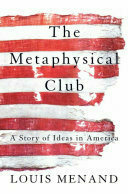
Re: yesterday’s cover art, How to Think has now been translated into:

  • Arabic
  • Chinese (PRC)
  • Chinese (Taiwan)
  • Dutch
  • Korean
  • Portuguese
  • Spanish
  • Turkish
  • Vietnamese